Comprehensive Guide to Proper Air Conditioner Installation: Avoiding Common Mistakes for Optimal Performance
This detailed guide offers essential tips to avoid common mistakes during air conditioner installation. Emphasizing professional help, accurate load calculation, duct inspection, and strategic placement, it ensures optimal performance, energy efficiency, and longevity of your AC unit. A proper installation process not only improves comfort but also reduces future costs and maintenance needs, making your investment worthwhile and hassle-free during hot seasons.
Comprehensive Guide to Proper Air Conditioner Installation: Avoiding Common Mistakes for Optimal Performance
As the sweltering heat of summer quickly approaches, many homeowners find themselves scrambling to install or upgrade their air conditioning systems. Waiting until the peak of the season can lead to discomfort and inefficiencies. To ensure your cooling system operates at peak performance, it’s essential to pay attention to proper installation practices. A poorly installed air conditioner not only compromises comfort but also leads to higher energy bills, increased maintenance costs, and reduced lifespan of the unit. This comprehensive guide aims to shed light on the critical steps and common pitfalls to avoid during AC installation, empowering you to make informed decisions and invest wisely in your cooling needs.
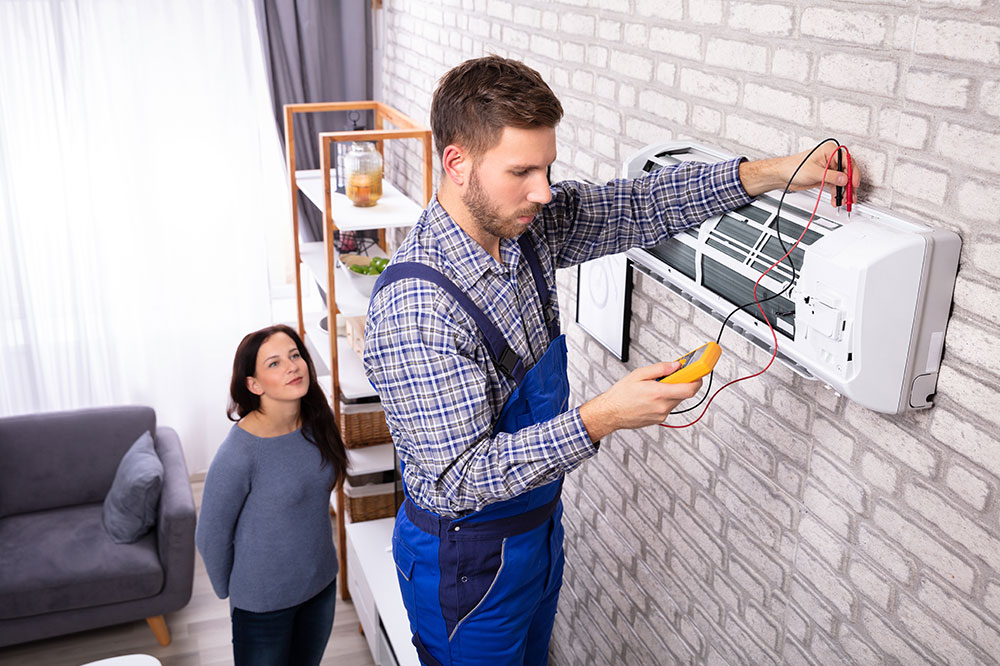
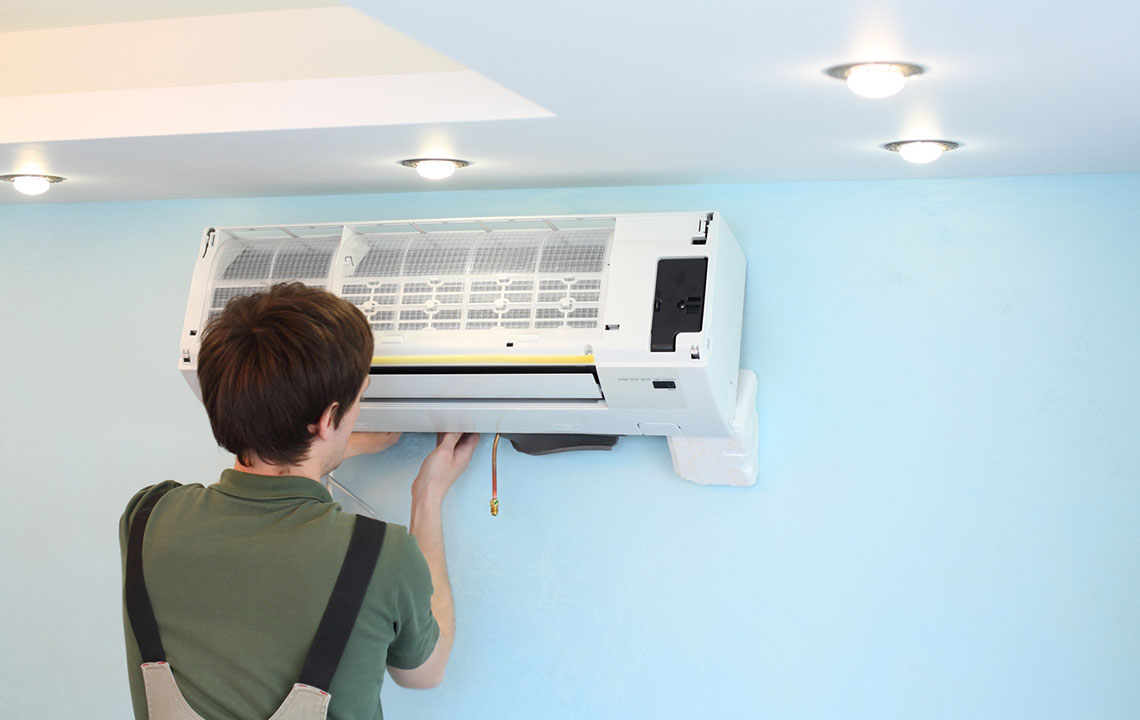
Proper installation begins long before the technician arrives. It involves detailed planning, understanding your space, and choosing the right equipment. Many homeowners make the mistake of relying solely on general contractors or unqualified technicians, which can result in subpar setup and future problems. To maximize comfort, energy efficiency, and durability, it is vital to consult with certified HVAC professionals who specialize in air conditioning systems. Their expertise ensures each component is correctly sized, installed, and configured according to industry standards, thus avoiding unnecessary repairs or replacements down the line.
Professional installation is a nuanced process that requires a thorough understanding of HVAC systems. From assessing the specific cooling load of your space to ensuring proper ductwork, every step matters. When installed correctly, your air conditioning unit can operate efficiently and quietly, providing consistent comfort throughout your home or office.
Prioritize load calculation and system design accuracy
Many homeowners mistakenly replace their outdated units with similar-sized models without considering advances in technology or changes in their space. However, modern AC units are often smaller, more energy-efficient, and capable of better cooling performance. A comprehensive load calculation, performed by a professional, considers factors such as the size of your space, insulation quality, window orientation, and local climate conditions. Accurate sizing prevents under- or over-sizing, both of which can lead to inefficiencies, higher energy costs, and unit fatigue. Proper design ensures that your system balances energy consumption with optimal cooling output.
Inspect and maintain ductwork thoroughly
Ductwork plays a vital role in distributing cooled air evenly across different areas. Before installation, existing ducts must be inspected meticulously. Leaks, blockages, or poorly designed ducts can cause significant performance issues, including uneven cooling, increased energy consumption, and added strain on your new AC unit. It is advisable to hire experienced technicians to identify and repair leaks, seal joints, and optimize duct paths. Properly sealed and insulated ducts maximize efficiency, reduce noise, and extend the life of your system.
Beyond the core components, consider other important factors such as placement of the outdoor condenser unit, electrical connections, and permit acquisition. An ideal location for the outdoor unit should be shaded, well-ventilated, and unobstructed to facilitate airflow. Electrical systems must be correctly wired and grounded to prevent safety hazards. Always verify that all work complies with local building codes and regulations.
Investing in professional service for AC installation might seem costly upfront, but it pays dividends by preventing future headaches. Skilled technicians use specialized tools and follow manufacturer guidelines to guarantee your system's efficiency and longevity. Regular maintenance, including filters replacement and system checks, further enhances performance and saves money in the long run.
In conclusion, installing an air conditioning system is a significant investment that requires careful planning and execution. Avoid common pitfalls such as neglecting load calculations, improper ductwork inspection, relying on unqualified personnel, and incorrect placement of units. By working with licensed HVAC professionals and paying attention to detail, you can enjoy a cool, energy-efficient environment all summer long, with minimal maintenance costs and extended system life.