Holistic and Natural Approaches to Managing Vitiligo Effectively
Explore holistic and natural strategies to manage vitiligo effectively. This detailed guide covers dietary changes, topical remedies, and lifestyle tips to support skin health, promote pigment restoration, and improve overall well-being. Combining these approaches with medical advice can help individuals enhance their quality of life while managing this autoimmune skin condition.

Holistic and Natural Approaches to Managing Vitiligo Effectively
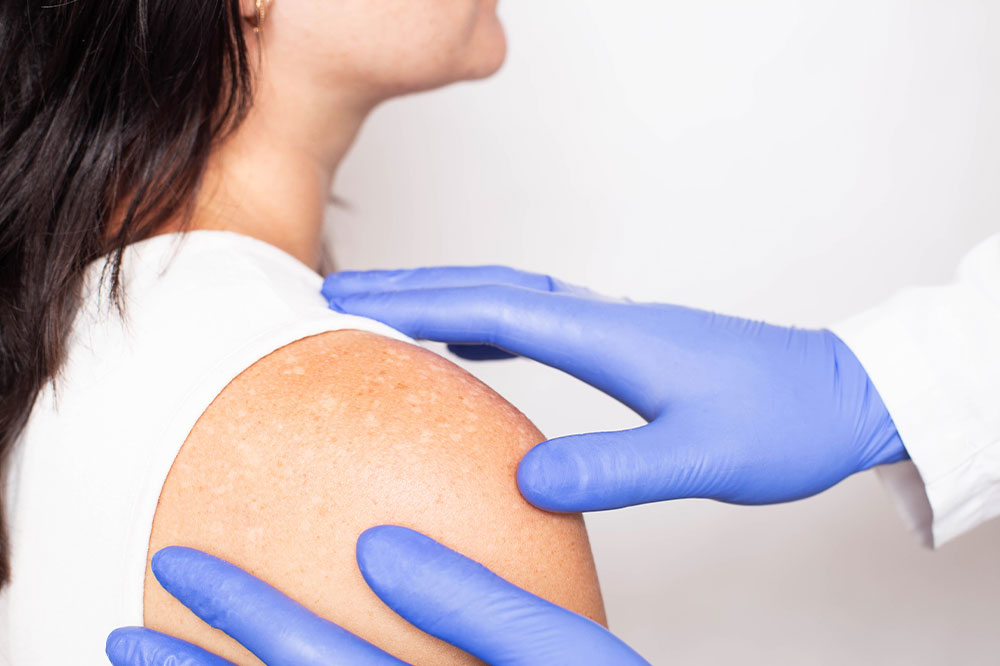
Vitiligo is a complex autoimmune skin disorder characterized by the progressive loss of pigmentation, resulting in white patches appearing on various parts of the body. This condition affects millions worldwide and can have significant psychological and emotional impacts. Although the exact cause of vitiligo remains elusive, it is widely believed to involve immune system dysfunction, genetic predispositions, and environmental triggers. While conventional treatments focus on skin depigmentation or light therapy, many individuals seek natural strategies to support their skin health and potentially stimulate repigmentation. Implementing a combination of dietary modifications, topical remedies, and lifestyle adjustments can provide complementary benefits to standard medical approaches.
1. Harness the Healing Power of Organic Aloe Vera Gel
Aloe vera is renowned for its remarkable skin-healing and soothing properties. Its rich composition includes antioxidants, vitamins A, B12, C, and folic acid, and minerals such as calcium, zinc, and iron. These elements work synergistically to promote skin regeneration, reduce inflammation, and support melanocyte function. Applying pure, organic aloe vera gel directly to affected areas may help in reducing lesion severity and encouraging pigment restoration. Regular use, ideally twice daily, enhances skin resilience and overall health, making aloe vera a valuable natural remedy for vitiligo management.
2. Incorporate Omega-3 Fatty Acids into Your Diet
Foods rich in omega-3 fatty acids play a crucial role in modulating inflammatory responses that can damage melanocytes—the pigment-producing cells in the skin. Consuming fatty fish such as salmon, mackerel, and sardines provides a potent dose of these essential fats. Additionally, plant-based sources like walnuts, flaxseeds, and chia seeds are excellent options for vegetarians. Omega-3s enhance internal skin health by reducing inflammation, improving cell membrane integrity, and supporting immune function, which collectively may slow or prevent the progression of vitiligo. Incorporating these foods into your regular diet can offer long-term benefits for skin pigmentation and overall wellness.
3. Boost Skin Nutrition with Carrots, Tomatoes, and Leafy Greens
Beta-carotene, a precursor of vitamin A, is abundantly found in carrots, tomatoes, spinach, sweet potatoes, and winter squash. This nutrient supports skin health by promoting cell regeneration and reducing inflammation that could impair melanocyte function. Vitamin A plays a vital role in maintaining healthy skin pigmentation and fighting oxidative stress. Consuming a colorful array of vegetables ensures an ample intake of antioxidants and nutrients essential for pigment production. Including these foods in your daily meals can help enhance skin clarity, protect against environmental damage, and nurture skin cells from within.
4. Optimize Vitamin D Levels for Immune Regulation
Vitamin D is integral to immune system regulation and skin health. Adequate sunlight exposure for around 30 to 60 minutes several times a week can facilitate natural vitamin D synthesis in the skin. For individuals with limited sun exposure or sensitivities, dietary sources are recommended. Foods such as eggs, fatty fish, mushrooms, and fortified dairy products help maintain optimal vitamin D levels. In some cases, supplementation under medical guidance may be necessary. Maintaining adequate vitamin D is believed to modulate autoimmune responses and possibly slow the progression of vitiligo, making it a vital component of an integrative treatment plan.
5. Enhance Skin Rejuvenation with Fresh Ginger
Ginger has anti-inflammatory and circulatory properties that can support skin repair processes. Consuming fresh ginger regularly, such as adding grated ginger to meals or drinking ginger tea, can improve blood flow and assist in disseminating nutrients to skin tissues. Additionally, topical application of sliced fresh ginger directly over white patches may stimulate local pigmentation, although more scientific research is needed in this area. For best results, apply ginger slices twice daily over a week, observing any changes in skin tone. The warming, invigorating nature of ginger makes it a valuable natural aid for anyone looking to support skin health from within.
6. Use Coconut Oil for Soothing and Healing
Coconut oil is celebrated for its anti-inflammatory, antimicrobial, and regenerative properties. Applying virgin, cold-pressed coconut oil to affected skin patches can help soothe irritated skin, reduce inflammation, and support the repair of skin barrier functions. Its moisturizing effects prevent dryness and cracks, which are common in vitiligo-affected areas. Regular massage of coconut oil onto patches can improve blood circulation, potentially aiding in pigment regeneration. Incorporating coconut oil into your daily skincare routine offers a natural, accessible way to care for sensitive skin and promote overall skin health.
7. Combine Turmeric and Mustard Oil for Anti-inflammatory Benefits
Turmeric contains curcumin, a potent antioxidant and anti-inflammatory compound. When combined with mustard oil, which enhances skin blood flow and penetration of active ingredients, it creates a powerful topical remedy. A paste made from turmeric powder mixed with mustard oil can be applied directly to white patches twice daily. This blend may help reduce inflammation, support melanocyte activity, and promote repigmentation over time. Regular application, coupled with a healthy diet, might improve skin appearance, especially in early or mild cases of vitiligo.
8. Address Vitamin B12 Deficiency for Skin Rejuvenation
Research indicates a link between vitamin B12 deficiency and vitiligo. Ensuring adequate intake of B12-rich foods such as eggs, dairy products, lean meats, and fortified cereals can help rectify deficiencies. Supplementing with vitamin B12 under medical supervision may be recommended for individuals with documented insufficiency. Proper B12 levels are vital for DNA synthesis and cell renewal, which directly influence skin pigmentation and healing. Maintaining optimal B12 status contributes to overall skin health and may support efforts to regenerate pigment in depigmented patches.
9. Embrace Whole Grains for Anti-inflammatory Benefits
Whole grains like brown rice, oats, quinoa, and barley supply essential nutrients, fiber, and antioxidants that support immune health and reduce systemic inflammation. Consuming whole grains instead of processed foods minimizes oxidative stress that can worsen skin conditions. Their nutrient density helps replenish vital vitamins and minerals necessary for melanocyte function and skin regeneration. A balanced diet rich in whole grains is part of a holistic approach to managing vitiligo, contributing to better immune regulation and healthier skin overall.
10. Practice Stress Reduction through Yoga and Mindfulness
Chronic stress is known to exacerbate autoimmune responses, potentially aggravating vitiligo symptoms. Engaging in yoga, meditation, or deep-breathing exercises can help modulate stress hormones, calm the nervous system, and strengthen immune balance. Regular practice of mindfulness techniques has been shown to improve mental well-being, which directly correlates with skin health. Incorporating a daily routine of gentle stretching, breathing exercises, or meditation provides psychological resilience and may help slow disease progression, while boosting overall quality of life.
Overall, managing vitiligo through natural methods involves a comprehensive approach that combines dietary modifications, topical remedies, and stress management techniques. While these strategies are not guaranteed cures, they can support skin health, reduce symptoms, and enhance quality of life when used alongside medical treatments. Consulting healthcare professionals before starting any new regimen is essential, particularly for personalized advice and to ensure safety.