Essential Insights and Fascinating Facts About Travel Luggage
Explore the rich history, fascinating origins, and modern challenges of travel luggage. From famous brands to mishandling issues, uncover essential facts to enhance your travel experience and pack smarter for any journey.
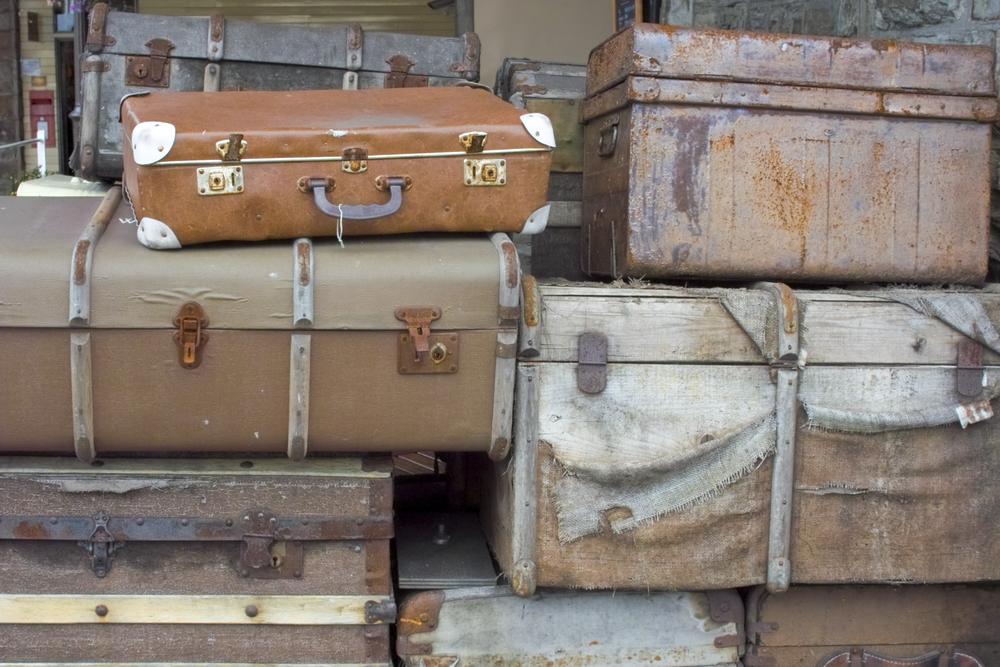
Essential Insights and Fascinating Facts About Travel Luggage
Traveling, whether for business, leisure, or adventure, inherently involves packing and managing luggage. The luggage you choose, its design, and how it’s handled can significantly influence your travel experience. From historical origins to modern mishaps, understanding the nuances of travel luggage can help travelers pack more efficiently and avoid common pitfalls. This comprehensive guide explores intriguing facts about travel luggage, offering insights into its history, evolution, and the challenges faced during transit—and how to navigate them smartly.
Historical Origins of the Term 'Luggage' (1596)
The word 'luggage' has a fascinating etymology that dates back to the late 16th century. Coined in 1596, the term combines the word 'lug,' meaning to drag, with the suffix '-age,' which indicates an act or process. This linguistic construction perfectly describes the very nature of early travel bags designed to be dragged along by travelers. Back then, luggage was simple, often just a bag or bundle that travelers carried or pulled behind them as they journeyed across lands and seas. Understanding this origin gives us a sense of how integral luggage has been to human mobility for centuries.
The First Mention of 'Luggage' in Literature (William Shakespeare)
Just a year after the term was coined, prominent playwright William Shakespeare referenced 'luggage' in his play Henry IV. This signifies how quickly the term entered everyday language and literary usage, underscoring the importance of travel and mobility in Elizabethan times. Shakespeare's mention highlights that luggage, as a concept, was already a recognized part of travel stories and narratives even hundreds of years ago, emphasizing its longstanding presence in human culture.
Origins of Duffel Bags and Their Name
Another fascinating aspect of travel luggage is the duffel bag, a popular and versatile travel companion. Unlike modern luggage, duffel bags got their name from a small town in Belgium called Duffel. The town became famous for producing these sturdy, cylindrical canvas bags, which became a staple for travelers and military personnel throughout history. The name 'duffel' is therefore tied not to the material or style of the bag but to its geographical origin, illustrating how local craftsmanship influences global travel gear.
Early Pioneers in Luggage Manufacturing
The development of luggage as an industry saw the rise of pioneering brands like Samsonite, founded in 1910 in Denver, Colorado. Samsonite is widely regarded as one of the earliest and most influential companies specializing in durable, innovative luggage designs. Over the past century, such brands have continually evolved, integrating new materials, security features, and ergonomic designs to cater to the modern traveler. Their innovation reflects the ongoing demand for lightweight, strong, and secure luggage solutions.
Dealing with Lost Luggage and Its Resolution
Lost luggage remains a common concern during air travel. Despite the mishaps, statistics show that around 80-90% of misplaced luggage is recovered and returned to its owners within 24 hours, thanks to advanced tracking and database systems. Airlines and airports utilize RFID tags, GPS tracking, and meticulous logging techniques to minimize losses and facilitate quick recovery. However, the unfortunate reality is that a small percentage of luggage is never recovered or is delayed significantly, causing inconvenience and stress for travelers.
Sale and Donation of Unclaimed Luggage
In some regions, unclaimed luggage is systematically collected and processed for sale or donation. For example, in Scottsboro, Alabama, unclaimed bags are auctioned off periodically, and some valuable items are donated to charitable organizations. This practice allows for efficient management of unclaimed items and helps support local communities. It also highlights the importance of promptly identifying and collecting luggage during travel to avoid unnecessary losses or complications.
Mismanagement and Mishandling of Luggage in Transit
Despite technological advances, mishandling luggage remains an issue. Statistically, about 7 out of every 1,000 suitcases are mishandled by airline staff, often due to layovers, connecting flights, or logistical errors. Sometimes, luggage ends up at the wrong destination, causing delays, inconvenience, or frustration. Surprisingly, approximately 14% of misplaced luggage is not even loaded onto the intended flight, exposing vulnerabilities in handling procedures. Such errors underscore the importance of careful luggage management and the need for improved airline protocols.
Checked Luggage Failures and Their Causes
While most checked luggage successfully reaches its destination, around 1% of it fails to arrive due to a variety of reasons. These issues can stem from security inspections, damage during handling, or misrouting. Multiple stakeholders are involved—airline personnel, security agencies, and ground handlers—each increasing the chance of errors. To mitigate these risks, travelers are advised to pack valuable or fragile items in carry-ons and to label their luggage clearly. Understanding these potential pitfalls can help travelers prepare better and reduce the chances of missing or damaged baggage.
Unusual and Unexpected Items in Luggage
Travelers often pack a wide array of items, some of which might be considered unusual or surprising. Common items include essentials like toothbrushes and clothing, but some travelers carry bizarre or high-tech objects such as rattlesnakes, rare artifacts, or specialized military devices like Naval Guidance Systems. These items often reflect the purpose of the trip—whether for research, adventure, or business. Packing such unique items requires careful handling and awareness of customs regulations, especially for high-tech and potentially sensitive equipment.
Overall, understanding the history, development, and challenges of travel luggage can make your journeys smoother and more enjoyable. By knowing the origins, common issues, and handling tips, travelers can ensure their belongings are secure, minimize delays, and be prepared for the unexpected. Investing in quality luggage and staying informed about best packing practices are essential steps toward stress-free travel experiences.