Score a Flagship iPhone on a Budget: Refurbished Models + Low-Cost Plans
Get flagship iPhone performance without the flagship price. Refurbished devices plus unlocked cheap plans cut costs while keeping quality and flexibility.
The Value of Premium Refurbished Phones
Today's flagship smartphones cost more than many monthly rents, yet daily tasks haven't become twice as demanding. Social apps, maps, payments, video calls, and streaming all run flawlessly on models from one or two generations ago. That gap between marketing hype and real-world needs is where refurbished premium phones excel. They keep the fast chip, vivid display, solid speakers, and premium build, but shed the painful price tag. Paired with a low monthly plan, your total connectivity cost drops dramatically while the daily experience remains smooth and modern.
What “Refurbished” Actually Means
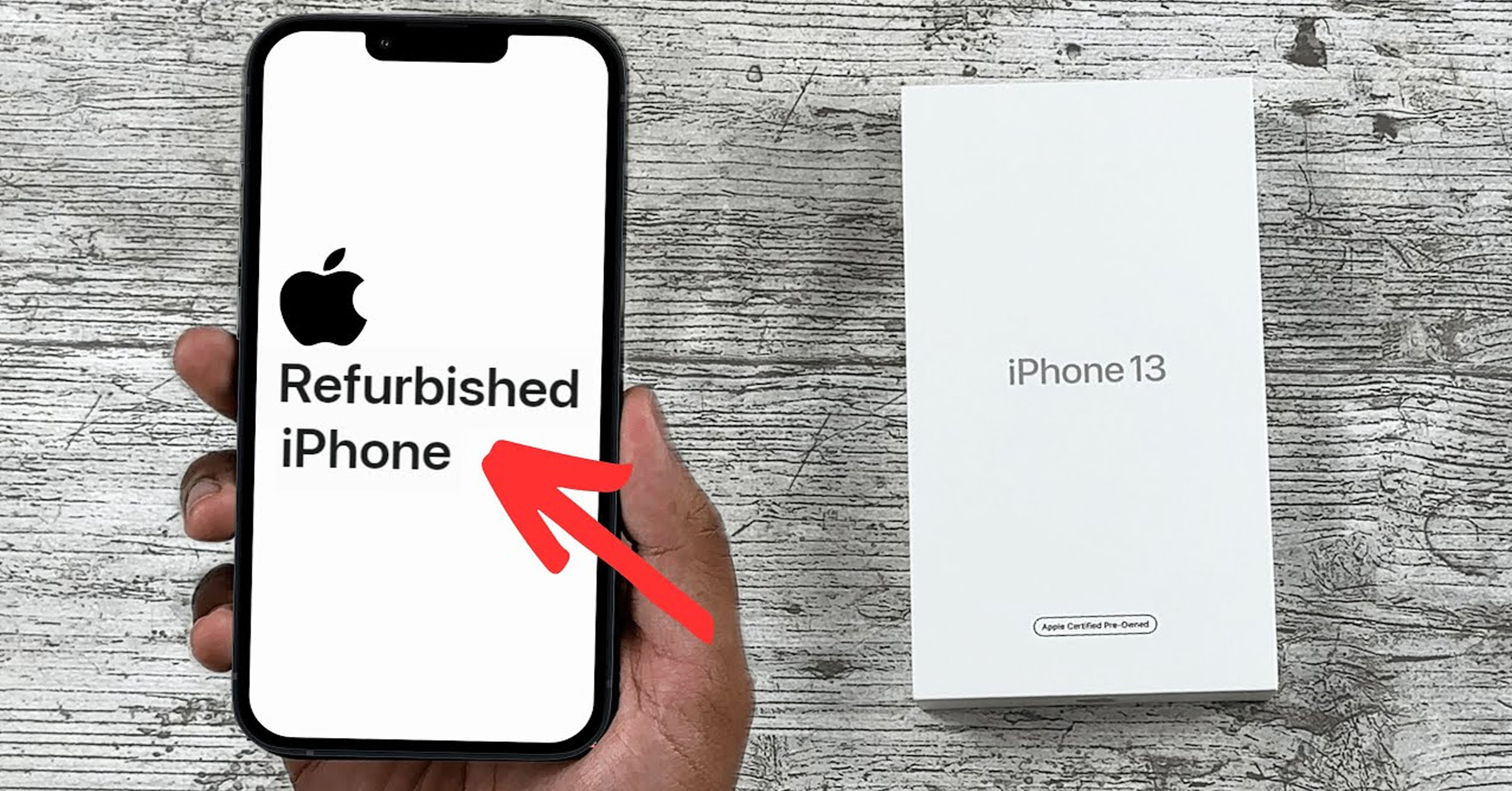
The term refurbished often gets confused with used, but reputable channels follow a structured process. Devices come from returns, display units, or trade-ins. Technicians run diagnostics on the board, cameras, speakers, microphones, buttons, and radios. Batteries below a set health threshold are replaced, damaged screens swapped, and housings graded by visible wear. The goal is near-new function with honest cosmetic descriptions—from “almost spotless” to “clearly scuffed”—so you can choose based on your own balance of savings versus appearance.
This ecosystem unlocks hardware that would otherwise be out of reach. Instead of a new midrange device, the same budget can buy a former flagship with a better screen, faster chip, stronger speakers, and longer software support. For those attached to a particular design or camera behavior, it also keeps familiar models available after official shelves move on. That continuity matters for reluctant upgraders: they keep the ergonomics and interface they know, while their wallet benefits from someone else having paid the early-adopter premium years ago.
Unlocked Phones Put You in Charge
An unlocked phone doesn't care which carrier's card you slide in. That turns you into a free agent. Instead of staying on a pricey legacy plan because your device is tied to it, you can jump to low-cost providers targeting light users, heavy streamers, or travelers. If a promotion ends and your bill creeps up, moving on is as easy as activating a new SIM or QR code. For seniors on fixed incomes, students, or anyone rebuilding finances, that flexibility can be the difference between “nice to have” and “actually affordable.”
Coverage still varies by neighborhood, suburb, and rural area. With an unlocked phone, test multiple providers: try a month of prepaid here, a trial there, and note signal bars on your commute, inside your home, or at a favorite park. Once you find the network that works best in your real life, lock in whichever cheap plan rides that network. You avoid the classic scenario of signing a long contract only to discover dead zones where you spend most of your time.
How to Pick a Reliable Refurbished iPhone
Shopping refurbished feels like buying a used car: the headline price is only part of the story. Strong listings describe cosmetic grade, tested functions, replaced parts, and lock status. Vague promises like “works great” without detail are red flags. Look for battery health, display originality, and any past repairs. If a description distinguishes lightly worn units from heavily worn ones and prices them differently, that suggests real grading, not a grab-bag. Avoid offers that dodge basic questions about the phone's origin or what was done during refurbishment.
Even honest refurbishers miss occasional issues. That's why warranty length and return policy deserve as much attention as cosmetic grade. A slightly higher upfront price with a clear multi-month warranty and no-hassle returns is usually wiser than the rock-bottom “all sales final” deal. Think of that coverage as insurance against hidden defects: if a power button fails or the modem drops calls after two weeks, you want recourse. Many real-world problems show up in the first month if you use every feature at least a few times.
Shrinking Your Bill Without Sacrificing Experience
Most people overpay because their plan was chosen once and never revisited. Before chasing promotions, look at recent bills or device settings: how much data do you actually use off Wi-Fi? How many minutes of old-fashioned calling? How many texts? Many discover their “unlimited everything” bundle is mostly unused. If streaming happens mainly on home Wi-Fi and calls use app-based services, a modest data bucket with basic calling is usually enough, especially on an unlocked device that can easily switch later.
Once phone and plan are dialed in, the whole arrangement feels pleasantly boring—in a good way. A solid refurbished flagship runs smoothly for years with gentle battery care, minimal drops, and occasional storage cleaning. A lean, no-contract plan ticks along without surprise hikes. Instead of dreading upgrade cycles, you revisit only when life shifts. At that point, you can swap plans, resell the device, or move to another refurbished model without feeling trapped by sunk costs.
The real win is psychological as much as financial. Using a phone that still feels fast, takes sharp photos, and looks well built, while paying a fraction of usual device cost and a modest monthly fee, changes how upgrades feel. New releases become something to observe, not chase. You decide when the trade-off between fresh features and real dollars makes sense. In a world of ever-rising prices, that combination of premium experience and budget-friendly structure is less about sacrifice and more about taking control of your own tech story.