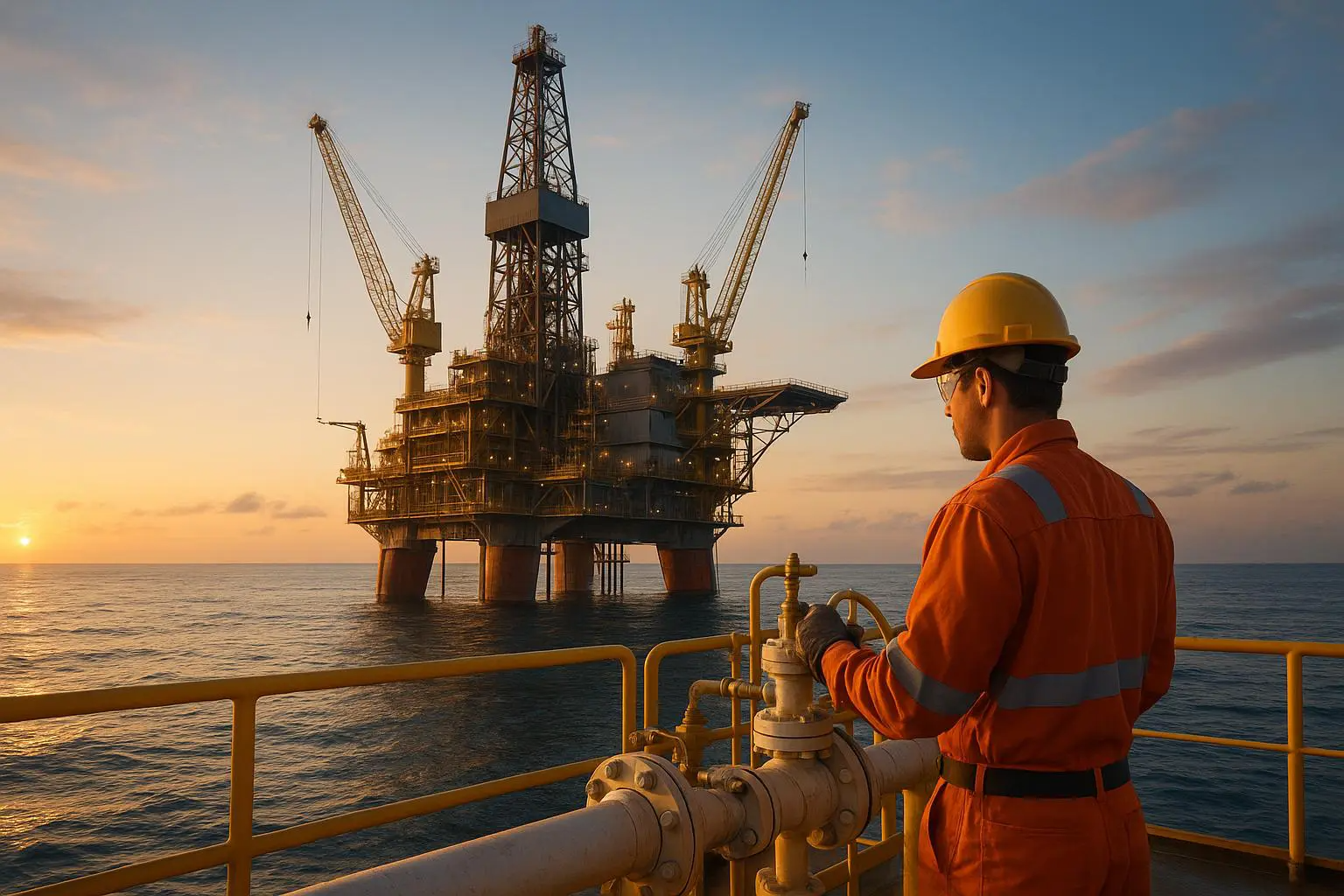
Digital Recruitment in Offshore Oil & Gas: Skills, Platforms, and Safety
Discover how digital tools and data-driven matching are transforming offshore hiring. Learn key skills, safety focus, and platform tips.
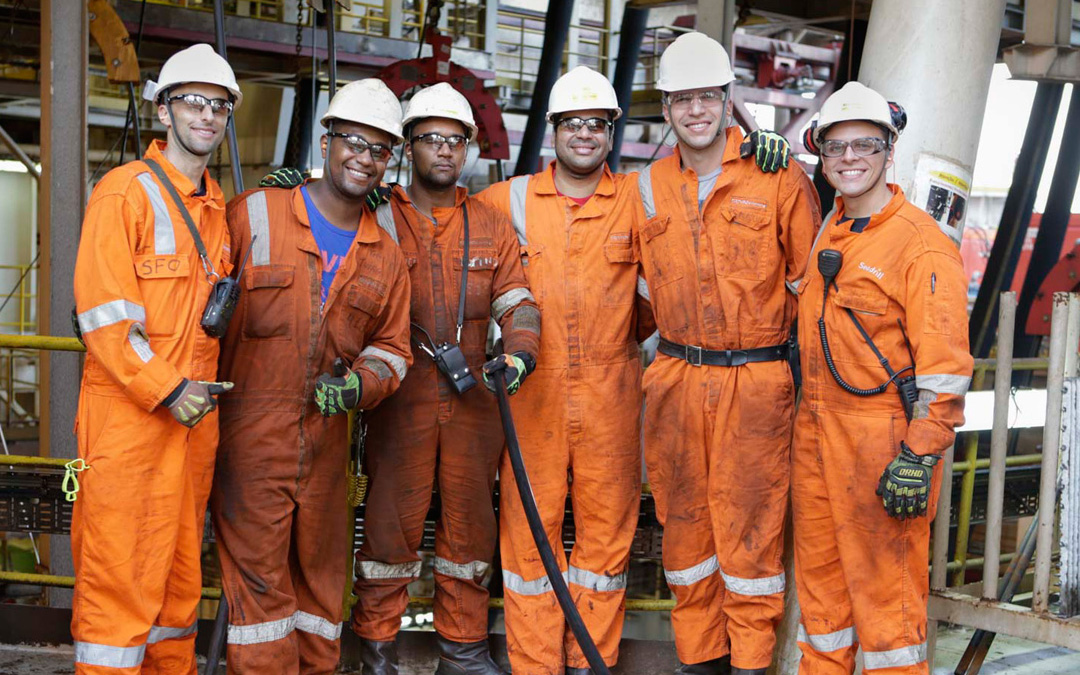
The Digital Shift in Offshore Hiring
The offshore oil and gas industry, once dominated by heavy machinery and physical labor, is now driven by digitalization. Cloud computing, IoT sensors, and real-time analytics have transformed rigs into high-tech environments. Candidates who blend traditional trade expertise with digital literacy—such as data interpretation, software troubleshooting, and virtual collaboration—are in highest demand. Employers actively seek future-proof workers who can handle both tablets and wrenches.
Technology as a Key Differentiator
Modern rigs in U.S. waters require more than welding or drilling skills. Reading automated monitoring systems, operating software-driven control panels, and communicating via digital tools are now essential. Staffing specialists now define "qualified" more broadly. Job seekers who showcase comfort with technology signal adaptability and readiness for a changing industry.
Data-Driven Matching for Precision Hiring
Traditional hiring methods—local halls and generic ads—are being replaced by specialized digital platforms. Advanced algorithms and analytics streamline the hiring process, reducing costly errors in remote, high-stakes environments.
How Digital Platforms Benefit Employers and Candidates
Recruiters can now filter global talent for hyper-specific qualifications, such as a mechanic with a particular engine certification and deep-water safety credentials. This dramatically cuts time-to-fill. For job seekers, the system reduces noise: verified skills route directly to hiring managers. Merit replaces network connections as the primary path to high-paying contracts.
| Feature | Traditional Hiring | Modern Specialized Platforms |
|---|---|---|
| Candidate Reach | Limited to local area or personal connections | Global access, talent anywhere |
| Screening Speed | Manual paper review, slow and error-prone | Instant algorithmic filtering by certifications and skills |
| Skill Validation | Often verified after hire or at interview | Digital upfront verification of licenses and safety records |
| Transparency | Vague job details, black-box application | Clear role requirements and application status tracking |
Talent Mapping: Beyond Technical Skills
Offshore work demands psychological fitness as much as technical ability. Living on a steel island for weeks requires mental toughness and adaptability. Recruiters seek candidates who can focus in rough weather and coexist in confined quarters. Military service, long-haul transportation, or remote field experience strongly predict success.
Transferable Skills from Other Industries
Many job seekers overlook the variety of offshore roles: galley hands, stewards, medics, IT professionals, safety officers. A chef from a busy hotel can thrive in a rig galley; a logistics coordinator from retail can manage supply chains; a construction safety officer can apply expertise immediately. Reframing experience as transferable functions opens lucrative offshore careers with faster advancement than equivalent onshore roles.
| Land-Based Background | Offshore Role Potential | Value to Recruiters |
|---|---|---|
| Hospitality & Hotel Management | Camp Boss, Steward, Galley Hand | High-volume service and hygiene expertise |
| Commercial Construction | Roustabout, Scaffolder, Painter | Safety protocol familiarity and physical stamina |
| IT & Network Administration | Comms Tech, Cyber Security Analyst | Critical for rig connectivity and data security |
| Emergency Services (EMT/Fire) | Offshore Medic, Safety Officer | Calm under pressure, crisis management skills |
Optimizing Your Digital Presence for Offshore Hiring
Safety Culture: The Ultimate Hiring Criterion
Safety is non-negotiable offshore. A single mistake can be catastrophic. Candidates must embed safety in every aspect of their profile: list completed training (BOSIET, HUET), highlight "Stop Work Authority" experiences, and emphasize team coordination over speed. A safety-first mindset is the most sought-after trait.
Mastering the Online Application Process
Focus on niche energy-sector job portals where industry-specific language and certifications are recognized. Keep your digital profile current—upload certificates, detail projects, and log in frequently. Many platforms rank active users higher. Engage in online forums and professional networks to gather market intelligence: which companies are expanding, which rigs are mobilizing, what certifications are hot. Reducing information asymmetry turns you from hopeful applicant into targeted solution.
FAQ
What are the benefits of using recruitment agencies for oil rig jobs? Agencies provide access to a wide industry network, expert matching, and help with offshore logistics. They also offer insights into hiring trends and demands.
How can candidates find offshore job openings effectively? Use specialized oil-and-gas recruitment platforms, network with industry professionals, and attend job fairs or conferences. Direct applications through niche portals yield better results.
What features should an oil-and-gas recruiting platform offer to attract employees? Detailed job descriptions, easy application, skills assessment tools, insights into company culture, and employee testimonials help attract top talent.