Home Backup Generator Guide: Portable vs Standby vs Solar Options
Learn how to choose the right backup generator for your home. Compare portable, standby, and solar battery options for reliable emergency power.
Assessing Your Home's Power Needs
Identifying Critical Loads
Before selecting a backup generator, list the appliances you absolutely need during a blackout. Prioritize essentials such as refrigerators, HVAC systems, sump pumps, and medical devices. Avoid trying to power everything—a smaller, focused system is more cost‑effective. For budget‑conscious homeowners, covering lights, internet, and the refrigerator can turn a stressful outage into a manageable inconvenience. Remote workers should also include the router and computer.
Calculating Startup vs Running Watts
A common oversight is focusing only on running watts. Many appliances with motors—like air conditioners, refrigerators, and well pumps—require a surge of 3–4 times their normal wattage to start. If you size a generator based solely on running watts, the compressor may trip breakers. To calculate total load: identify the appliance with the highest starting wattage, add the running watts of all other devices you plan to run simultaneously, then add a 20–30% buffer. This extra headroom reduces noise, fuel consumption, and engine wear.
Types of Backup Generators
Portable Generators
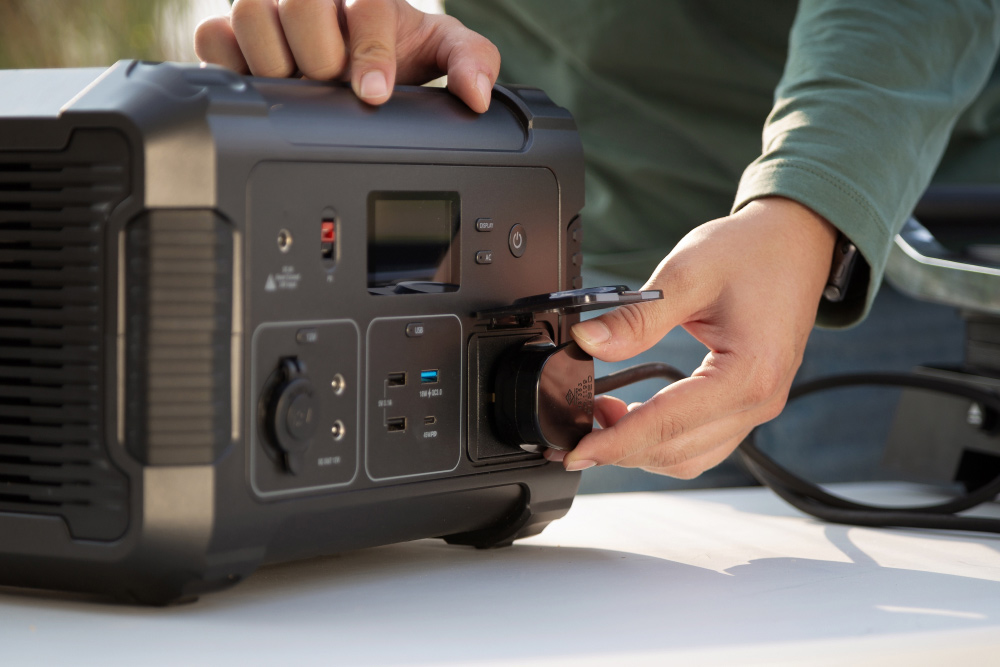
Portable units are stored in a garage and wheeled outside when needed. They run on gasoline or propane and require manual refueling and starting. Modern inverter models produce clean power safe for electronics and some offer Bluetooth monitoring. They are ideal for occasional backup, camping, or tailgating. However, they are temporary solutions: fuel degrades over time, and they must never be used indoors due to carbon monoxide risk.
Automatic Standby Systems
Permanently installed and connected to your home’s electrical panel and fuel supply, standby systems detect grid failure and activate within seconds—no human intervention needed. They run on natural gas or large propane tanks, eliminating refueling during extended outages. While the upfront cost is higher (the unit plus professional installation), the peace of mind is substantial. These systems self‑diagnose weekly and can power HVAC, security, and water pumps continuously, making them ideal for hurricane‑ or ice‑storm‑prone regions.
Solar + Battery Storage
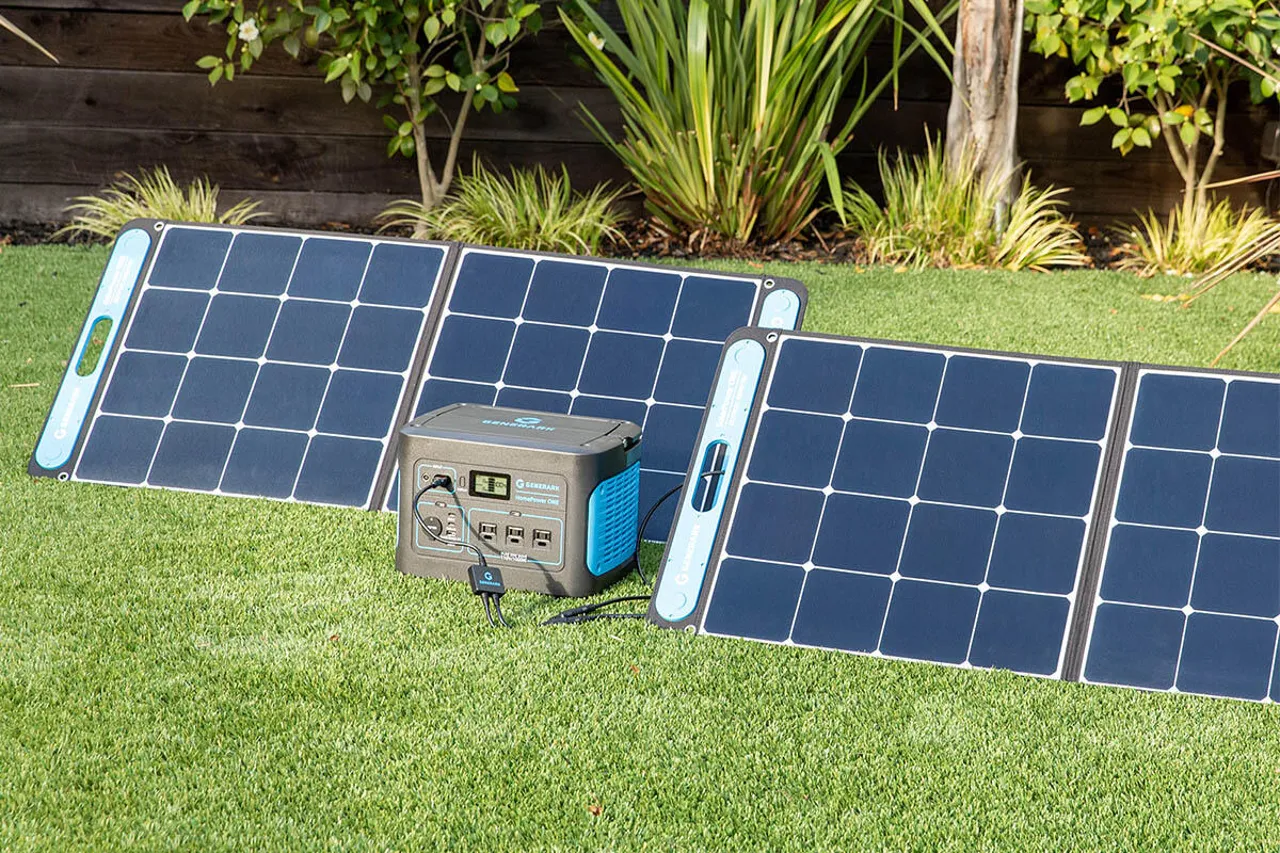
Solar‑plus‑storage systems store energy in lithium‑ion batteries. They provide silent, emission‑free backup but have finite run time (dependent on sun and charge). With declining battery costs and federal/state incentives, they offer true energy independence. Bidirectional charging from electric vehicles is expanding possibilities. For a quick comparison:
| Feature | Portable Units | Automatic Standby | Solar + Battery |
|---|---|---|---|
| Activation | Manual | Automatic | Automatic (with inverter) |
| Fuel | Gasoline/Propane | Natural Gas/LPG | Sunlight (rechargeable) |
| Run Time | Finite (refuel needed) | Indefinite on line | Finite (battery capacity) |
| Noise | Moderate to loud | Generally quiet | Silent |
| Emissions | CO exhaust | Low (combustion) | Zero |
Fuel Options and Integration
Natural Gas, Propane, and Dual‑Fuel Options
Natural gas is ideal for standby systems because underground pipes rarely fail during storms. Propane tanks offer similar reliability where gas lines are absent. Dual‑fuel portable models let you switch between gasoline and propane for flexibility when one fuel is scarce. When evaluating cost, consider fuel price volatility; natural gas tends to be more stable over time.
Solar Integration and EV Bidirectional Charging
Solar‑plus‑storage eliminates fuel dependence and provides silent, clean backup. Battery prices are falling, and federal tax credits reduce upfront costs. Emerging bidirectional charging allows compatible electric vehicles to power your home during an outage, adding a massive mobile battery. This combined approach offers everyday energy savings, not just emergency backup.
Installation and Safety Must‑Knows
Placement and Carbon Monoxide Risks
Never run a generator indoors, in a garage, basement, or crawlspace. Carbon monoxide (CO) is odorless and deadly. Place generators at least 20 feet from windows, doors, and vents. For permanent units, use a concrete pad or stable pea gravel base. Protect portable units from rain with a running tent that allows airflow.
The Critical Role of Transfer Switches
A transfer switch isolates your home from the utility grid to prevent dangerous backfeeding. It is required by the National Electrical Code (NEC). For portable generators, a manual transfer switch powers selected circuits without extension cords. For standby systems, an automatic transfer switch (ATS) operates instantly. Professional installation by a licensed electrician and plumber is strongly recommended to meet codes and warranty requirements.
Frequently Asked Questions
How does a portable inverter generator provide quiet operation? Inverter generators adjust engine speed to match load, running slower when demand is low. This reduces noise, improves fuel efficiency, and produces clean power safe for electronics. Ideal for camping and tailgating.
What factors matter when installing an automatic home generator? Correct load sizing, proper placement (stable surface, away from openings), compliance with local codes, and professional installation. Also set a regular maintenance schedule.
How does a backup generator provide emergency power? It automatically detects an outage, disconnects from the grid, and starts supplying electricity within seconds. Connected to your electrical panel, it runs essential appliances on natural gas or propane.
Typical costs for a home standby generator installation? Total cost ranges from $5,000 to $10,000, including the unit, transfer switch, and labor. While the upfront expense is significant, it prevents food spoilage, damage, and inconvenience during prolonged outages.