How Hybrid and Virtual Expo Technology Revolutionizes Global Trade Events
Explore how hybrid event technology, immersive displays, and data analytics are reshaping trade shows worldwide. Learn key benefits.
Introduction
Trade events are undergoing a radical transformation as hybrid and virtual technologies break down physical barriers. Organizers now seamlessly blend in-person and remote participation, leveraging advanced audiovisual tools, data analytics, and interactive platforms to create engaging experiences. This article explores the key innovations reshaping the industry.
Hybrid Models Bridge Physical and Digital Worlds
Modern events integrate on-site and virtual attendees through bidirectional communication with low latency. Remote participants can ask questions heard clearly in the hall, and speakers see real-time reactions from home offices. Backend management systems unify video, audio, and data signals to prevent technical glitches. Digital signage in physical venues adapts content based on crowd demographics or event pulse, ensuring a frictionless connection between in-person and online audiences.
Immersive Technology Redefines Presence
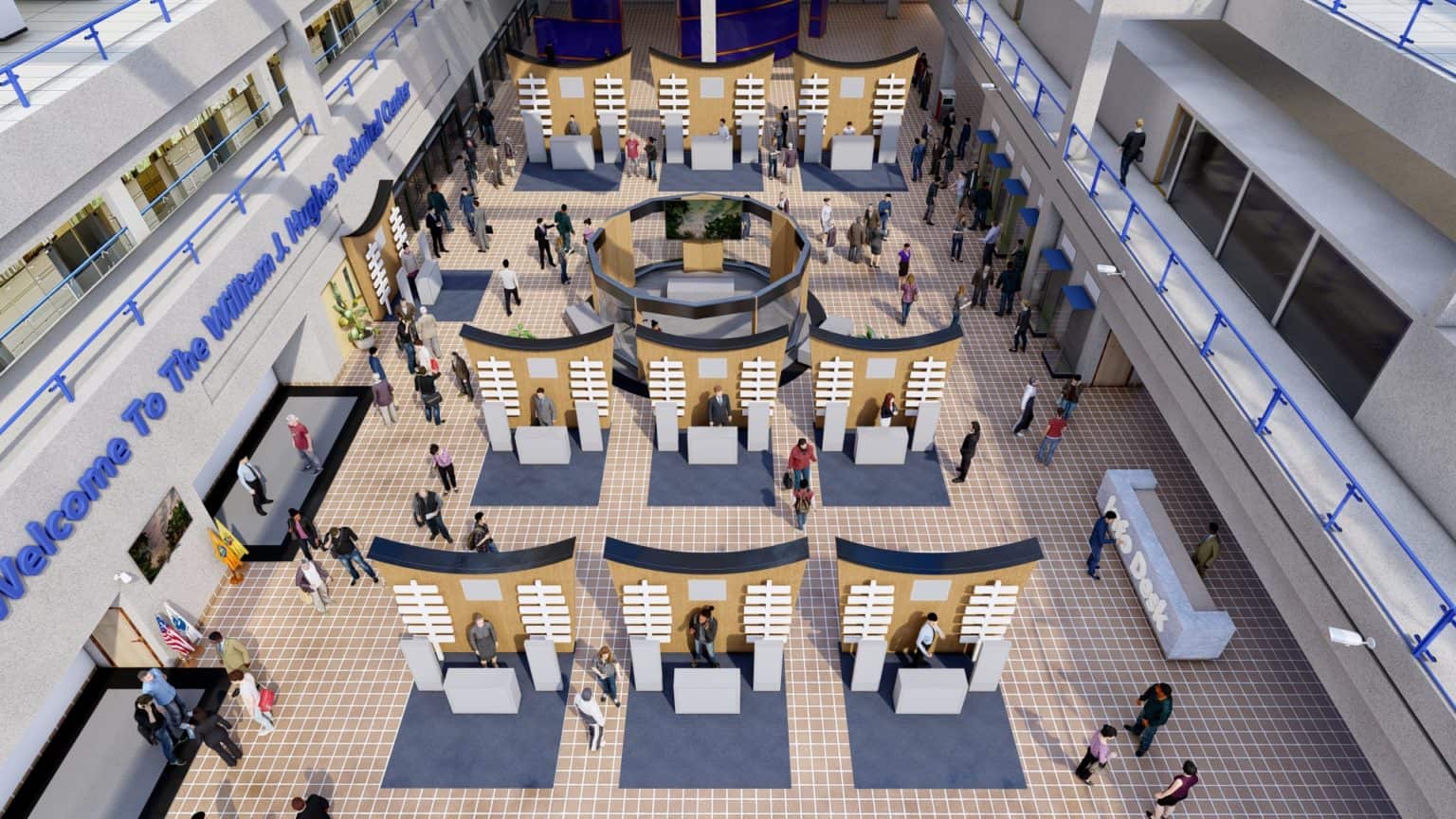
Exhibition halls are no longer static rows of booths. Large LED canvases, spatial audio that replicates natural auditory cues, and projection mapping turn passive observation into sensory immersion. These tools, once reserved for entertainment, are now standard at business conventions, recreating the electric atmosphere of a live venue and combating Zoom fatigue. The result is more intuitive and memorable information delivery.
Interactivity and Personalization Keep Audiences Engaged
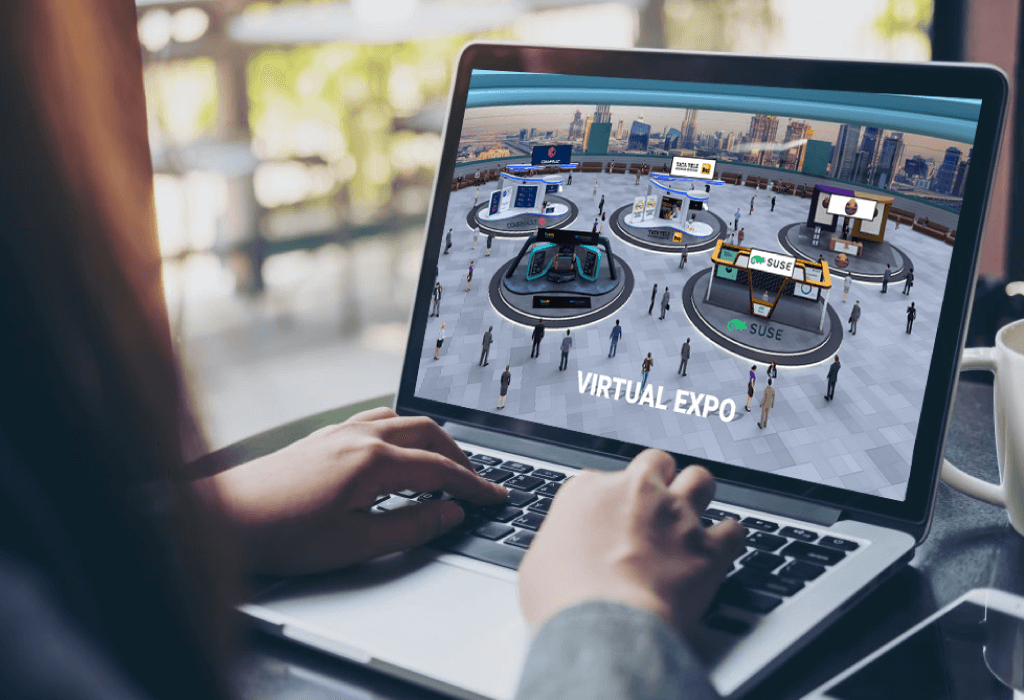
Attendees control camera angles, customize dashboards, or interact with 3D product models, borrowing strategies from retail and entertainment. Software adjusts promotional content based on aggregate sentiment or individual behavior: if interest spikes in a topic, related breakout sessions appear instantly. This feedback loop keeps audiences alert. Virtual lobbies and booths simulate the serendipity of physical floors, while smart infrastructure ensures high-definition clarity across cultures and technical backgrounds.
Data-Driven Efficiency and Strategic Analytics
Every click, view, and download generates a data point, giving organizers precise engagement and content performance metrics. Intelligent navigation acts as a personal concierge, calculating efficient routes or suggesting exhibitors based on browsing history. Digital scanning enables instant lead capture with categorization, so sales teams prioritize leads based on digital body language (e.g., repeated visits to a pricing page). This data-centric approach also supports sustainability by reducing physical construction and printed materials.
| Feature Category | Traditional Approach | Hybrid Tech-Enabled Approach |
|---|---|---|
| Communication Flow | One-way presentation | Bidirectional dialogue with remote Q&A |
| Content Delivery | Static printed materials | On-demand streaming, dynamic signage |
| Accessibility | Limited to venue | Universal global participation |
| Networking | Physical proximity only | Smart matchmaking algorithms |
| Metric | Physical Event | Digital Event |
|---|---|---|
| Attendee Interest | Booth foot traffic estimates | Click-through rates, dwell time |
| Lead Quality | Brief face-to-face conversations | Behavioral data and scoring |
| Content Reach | Room capacity | Unlimited live/on-demand |
| ROI Tracking | Qualitative anecdotal | Quantitative attribution |
Frequently Asked Questions
What are virtual trade show software? Digital platforms that host trade shows online, offering cost savings on travel and venue, global reach, and detailed analytics on attendee engagement.
How do online exhibition platforms enhance engagement? Through interactive features like live chats, Q&A, virtual networking lounges, and gamification that encourage participation.
What are digital expo solutions? Online platforms replicating traditional expos with greater flexibility: on-demand sessions, location-free attendance, and integrated multimedia for enhanced presentations and demos.
How do interactive virtual fairs benefit exhibitors? By providing virtual booths, real-time interaction, and detailed analytics on booth visits and attendee behavior to refine marketing strategies.
What key features should virtual event tools include? Robust streaming, user-friendly interface, customizable branding, data analytics, and integration with CRM and social media for a seamless experience.