How Spatial Computing and Hybrid Events Are Redefining Enterprise Engagement
Discover how spatial computing and hybrid events are revolutionizing enterprise engagement with immersive 3D experiences, cloud streaming, and always-on corporate communities.
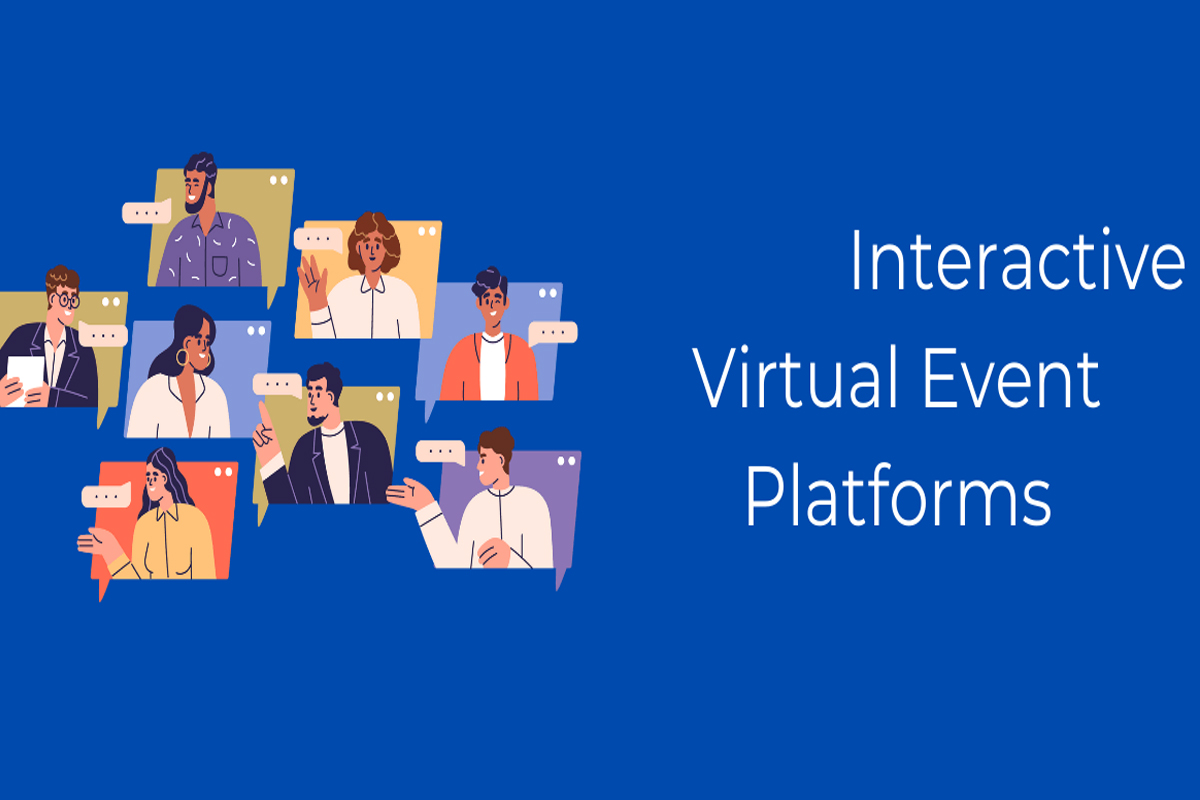
Introduction: Beyond Flat Screens
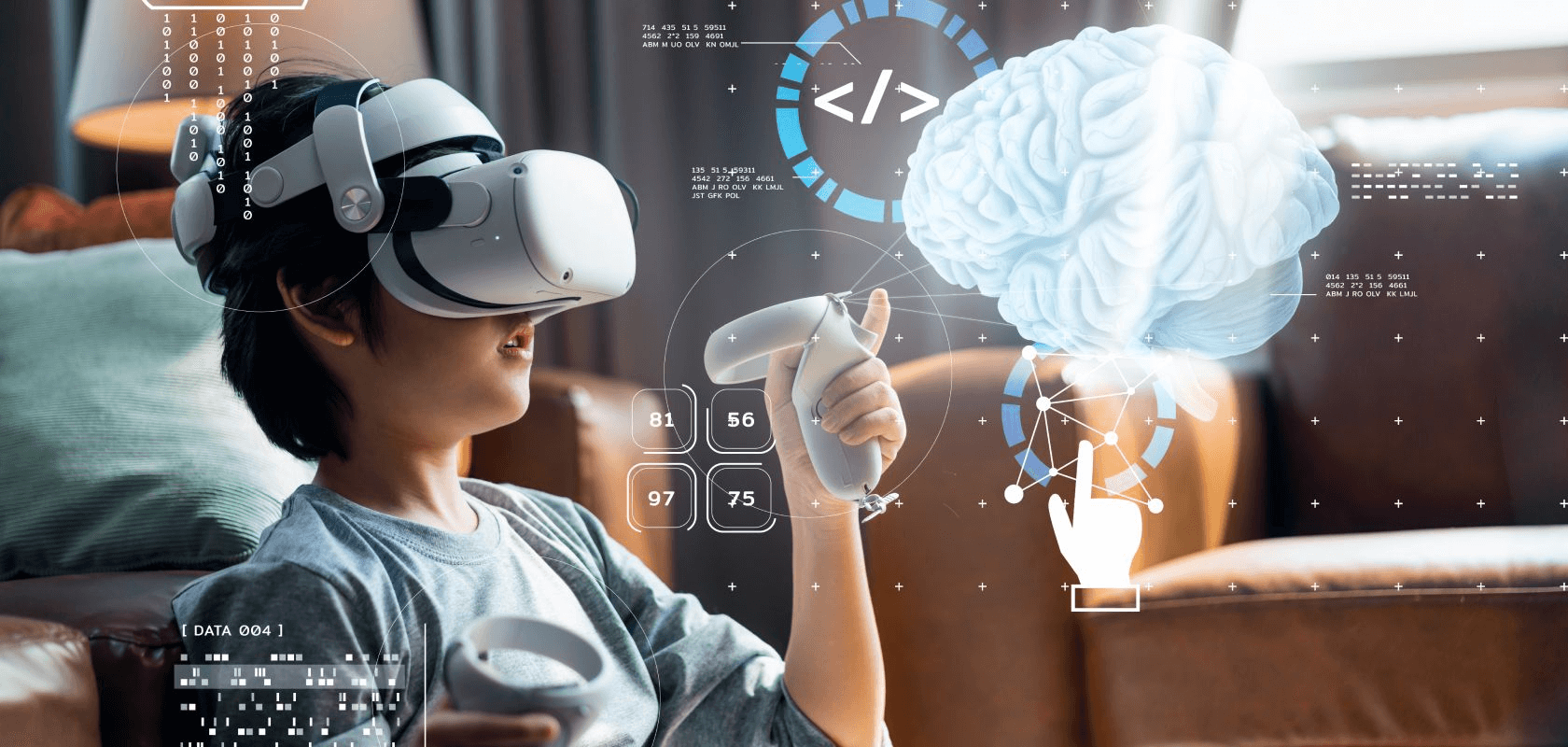
Corporate communication has long relied on two-dimensional video calls and webinars, but these formats limit the depth of interaction. The rise of spatial computing and mixed reality (MR) is shattering those boundaries by freeing digital content from rectangular screens. Today, enterprise teams can present 3D data, holographic prototypes, and immersive environments that let participants move and interact as if physically present.
Spatial Computing: A New Business Language
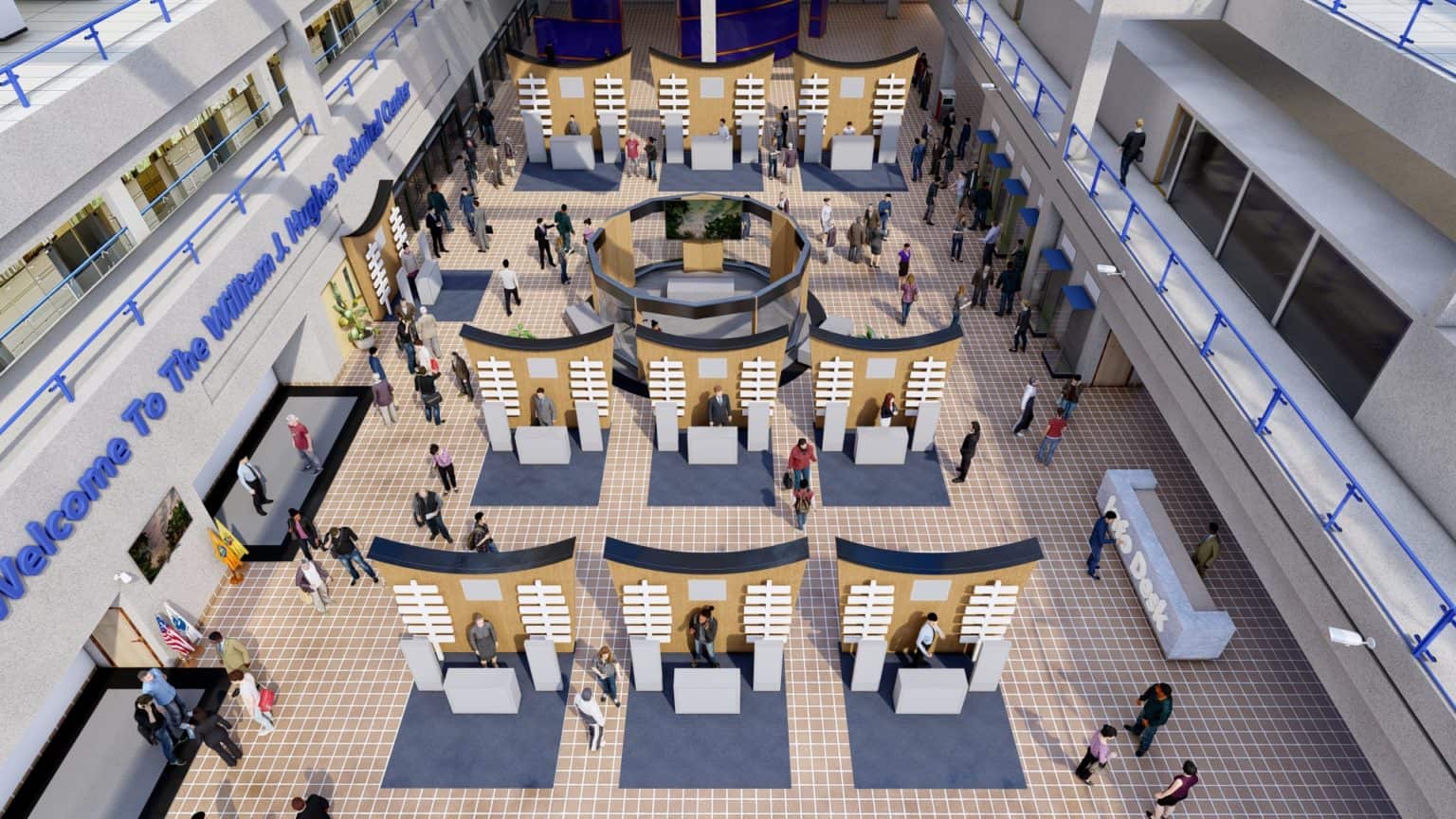
Instead of static slides, presenters invite stakeholders to walk around a holographic product, inspect internal parts, or explore analytics in 360 degrees. This shift creates an intuitive understanding that flat diagrams cannot deliver. In B2B sales, a client can take a virtual tour of a factory floor, experiencing scale and operation without leaving the office — shortening sales cycles and reducing cognitive load. Internal training uses VR simulations to practice high-risk procedures inside safe digital twins of real workplaces. Remote teams collaborate on design prototypes as if in the same studio, accelerating experiential learning across the organization.
Hybrid Ecosystems That Unite Physical and Digital
The post-pandemic world demands unified hybrid ecosystems where remote attendees are not second-class participants. Advanced 3D rendering and real-time data transmission allow remote users to feel the venue's energy through volumetric video and spatial audio — sensing the direction of a speaker's voice or the crowd's reaction. Event planners pursue "experience equity," where online votes trigger physical lighting changes, and in-person attendees interact with digital avatars via augmented reality. The goal is a single environment where attendance method is a preference, not a hierarchy. Standardized high-quality audio/video and AI real-time captioning break language barriers, making global town halls more inclusive.
| Feature Dimension | Traditional Webinar | Immersive Enterprise Platform |
|---|---|---|
| Participant Role | Passive viewer (listen, watch slides) | Active explorer (navigate 3D spaces, control perspective) |
| Networking | Text chat boxes (linear, disconnected) | Spatial audio zones, hallway conversations, avatar interaction |
| Content Delivery | Screen sharing, static video | Interactive 3D models, gamified booths, holographic streaming |
| Engagement Metric | Attendance duration, click-throughs | Heatmaps, object interaction frequency, sentiment analysis |
| Environment | Flat branded 2D landing page | Customizable digital twin or fantasy environment reflecting brand ethos |
Cloud Infrastructure: The Invisible Backbone
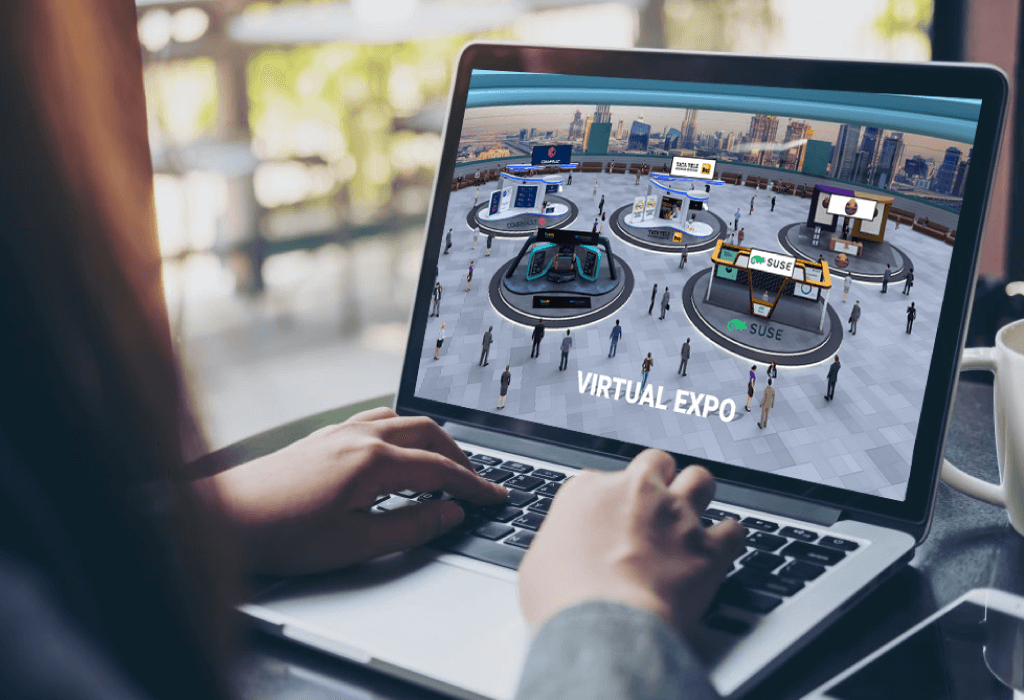
High-fidelity experiences depend on a robust backend. Cloud-based pixel streaming renders photorealistic graphics and processes interactions, letting participants join via standard laptops or tablets without expensive gaming hardware. This democratizes access. Cloud solutions scale from hundreds to thousands of attendees while maintaining performance. Centralized infrastructure improves data security and analytics: organizers track engagement in real time, seeing which booths attract traffic and which elements hold attention — actionable insights beyond attendance numbers.
Sustaining Engagement Through Active Participation
The biggest shift in enterprise events is moving from content consumption to active ownership. Interactive platforms give users agency to skip a keynote for networking in a virtual lounge or manipulate a 3D model to understand a product feature. Gamification structures the journey through objectives and collaborative challenges that mirror real business goals. For instance, a global sales kickoff might include a virtual escape room requiring knowledge of a new product line, turning learning into a memorable team-building adventure.
| Participant Archetype | Primary Motivation | Recommended Engagement Strategy |
|---|---|---|
| The Networker | New connections, peer interaction | Spatial audio lounges, AI-matched speed networking based on profile interests |
| The Learner | Deep technical knowledge or skills | On-demand 3D simulations, downloadable libraries, Q&A with holographic experts |
| The Explorer | Curiosity, novel experiences | Gamified scavenger hunts, hidden easter eggs, visually stunning 3D environments |
| The Decision Maker | Efficiency, ROI, clear value | VIP executive briefing centers with concierge service and interactive data dashboards |
Always-On Community: The Corporate Metaverse
The ultimate goal is moving from isolated events to a continuous community. The virtual venue persists after the livestream, evolving into an always-on corporate metaverse — a space where employees and clients return for resources, micro-events, or to revisit content. This transforms the event platform into a long-term engagement hub, keeping conversations alive and fostering resilient corporate culture.
Common Questions About Interactive Digital Events
How can interactive digital events boost engagement for large companies? Interactive elements like live polls, Q&A sessions, breakout rooms, and gamification encourage active participation, foster networking, and create memorable experiences that keep attendees involved.
What features should a corporate event engagement platform offer? A robust platform should include real-time analytics, audience interaction tools, customizable branding, seamless integration with business tools, networking capabilities, and personalization to maximize engagement.
What makes innovative hybrid event solutions stand out for enterprises? They combine the best of in-person and virtual events, offering flexibility, immersive technology, expanded reach, enhanced accessibility, and unique opportunities for interaction and collaboration.