Unlimited Cloud Storage for Business: Hidden Limits, Security, and Integration Strategies
Understand the physical limits of unlimited cloud storage and implement encryption, redundancy, and integration for a secure hybrid workforce.
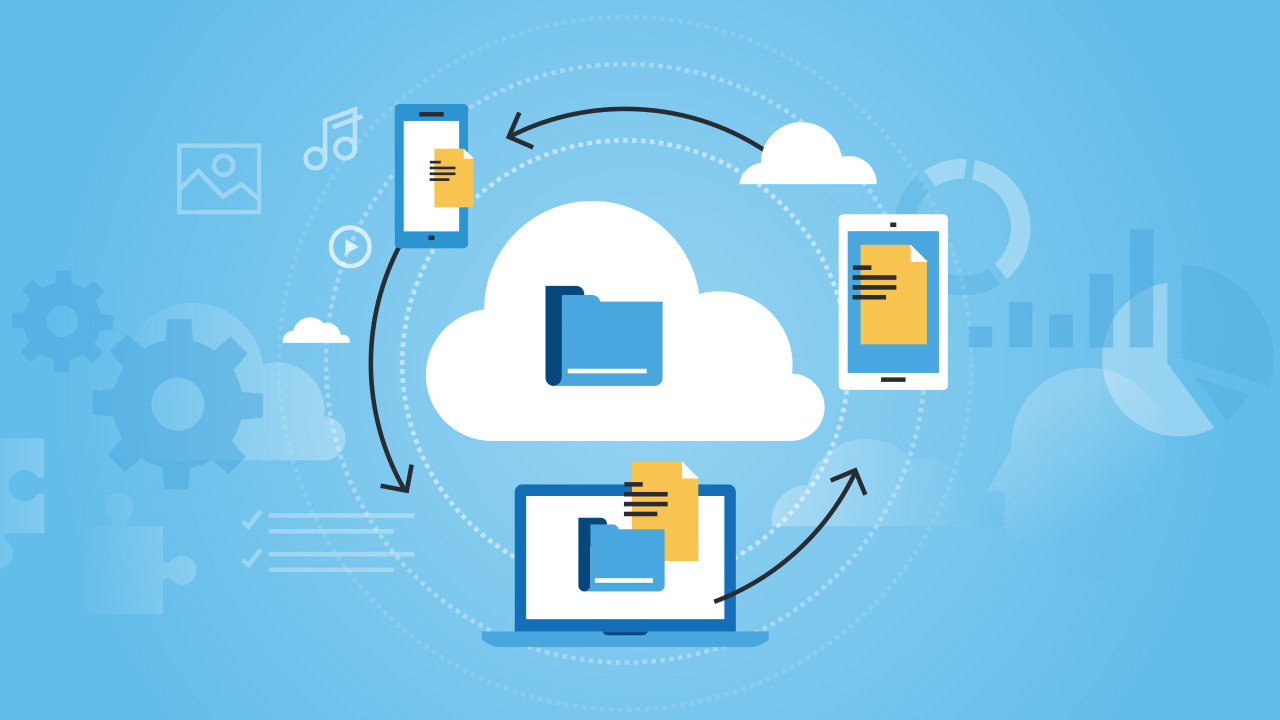
The Reality of Unlimited Cloud Storage
Businesses often assume unlimited cloud storage means infinite capacity, but physical hardware and energy constraints impose real ceilings. Data centers rely on servers that age, causing performance bottlenecks called asset stranding. Innovative cooling methods like arctic or underwater facilities complicate hardware upgrades. Even with logical capacity, providers may lack processing power for high-speed data delivery. Energy consumption is another barrier: running exabytes of data demands electricity that can exceed local grid capacity, forcing fair-use policies that throttle heavy users during restorations or migrations. Planning for these limits is essential for a robust cloud backup security strategy.
Data-Centric Security and Access Control
Perimeter security is no longer enough. Businesses must adopt data-centric defense with encryption for data at rest and in transit. Zero-knowledge encryption ensures that only the user holds the decryption keys, keeping files safe even from the provider. For small businesses without dedicated security teams, choosing a provider that automates this level of encryption is critical for compliance. Identity management is equally important: multi-factor authentication and granular IAM controls limit who can access specific folders. Granting blanket permissions invites accidental deletion or theft. Strict access rules minimize the damage from compromised credentials.
Ensuring Business Continuity with Redundancy
Geo-redundancy—mirroring data across data centers in different seismic zones or continents—protects against natural disasters or power failures. High availability relies on knowing a shadow copy exists in a secure secondary location. This transforms a potential catastrophe into a manageable disruption, serving as the ultimate insurance policy for business continuity.
Seamless Integration for Hybrid Workforces
Modern cloud storage has evolved into a dynamic collaboration engine. Its true value lies in integration with email clients, project management dashboards, and CRMs. When storage is isolated, employees waste time downloading and re-uploading files. Effective integration creates a single source of truth, reducing time-to-value. For hybrid teams, low-latency connectivity bridges office, home, and mobile workers. Edge caching and CDNs make accessing large files feel local. This flexibility aids talent retention but must be balanced with security: intelligent threat detection spots anomalous logins, keeping doors open for employees but closed for intruders.
Frequently Asked Questions
What are the benefits of using cloud storage services for businesses?
Cloud storage offers scalable options, cost efficiency, and anywhere access. It enhances real-time collaboration, eliminates physical hardware, reduces maintenance costs, and minimizes data loss from hardware failure.
How do cloud backup solutions enhance data security?
Automatic backups to secure off-site servers protect against natural disasters, cyber-attacks, and human error. Encryption in transit and at rest ensures data is safe from unauthorized access.
What should small businesses consider when choosing a cloud storage solution?
Consider cost, scalability, ease of use, integration with existing systems, security measures, customer support, and provider reliability. Choose a solution that can grow with the business to avoid future migration issues.
What distinguishes a managed backup service from traditional backup methods?
Managed services take full responsibility for backing up and restoring data, including monitoring, updates, and troubleshooting. This frees internal IT resources and ensures consistent recoverability, reducing downtime and data loss.
Why might a business opt for unlimited cloud storage and what are potential pitfalls?
Unlimited storage accommodates rapid data growth, especially in data-heavy industries like media or healthcare. Pitfalls include higher costs if mismanaged and data sprawl, where disorganized data becomes hard to retrieve.