Women's Hair Restoration Guide: Choosing Clinics, Advanced Treatments & Myths
Discover effective female hair loss solutions, from stem cell therapy to selecting a trustworthy clinic. Learn what works for thinning hair.
Understanding Female Hair Loss Causes
Genetic and Hormonal Factors
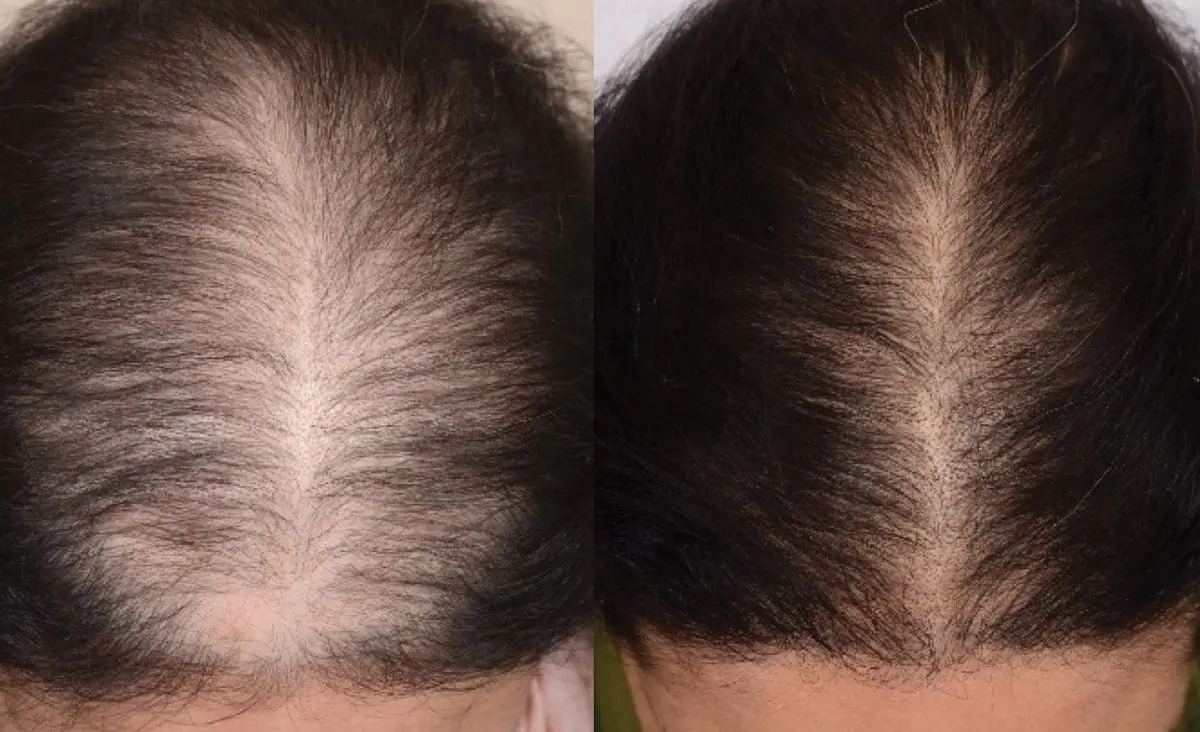
Female pattern hair loss is often driven by a genetic sensitivity to androgens, which gradually miniaturizes hair follicles. Each cycle produces a thinner, shorter strand until the follicle stops producing visible hair. Hormonal shifts during menopause, pregnancy, or thyroid conditions can accelerate this process. Instead of sudden shedding, women typically notice a slow decline in volume and texture. Recognizing this pattern helps target treatments that prolong the growth phase and strengthen follicles.
Medication and Health Impacts
Drug-induced alopecia is a frequently overlooked cause. Many medications—including some antidepressants, beta-blockers, and hormone regulators—can push follicles into a resting phase, leading to diffuse thinning. If shedding begins after starting a new drug, consulting a specialist is essential before considering surgical restoration. Systemic treatments like chemotherapy cause temporary loss, while localized radiation only affects the treated area. Reviewing your medicine cabinet is a vital step in any comprehensive hair loss solution.
How to Choose a Trustworthy Hair Growth Clinic
Verify Medical Expertise
When searching for hair restoration near you, prioritize clinics with physicians specialized in this field. Look for board certifications, membership in organizations such as the ISHRS, and a portfolio of before-and-after cases. Female pattern hair loss often requires diagnosing underlying issues like PCOS or thyroid disorders, so a doctor must have diagnostic skills beyond general cosmetic expertise. Reviewing a provider's background and case studies ensures they have experience with conditions similar to yours.
Transparent and Personalized Counseling
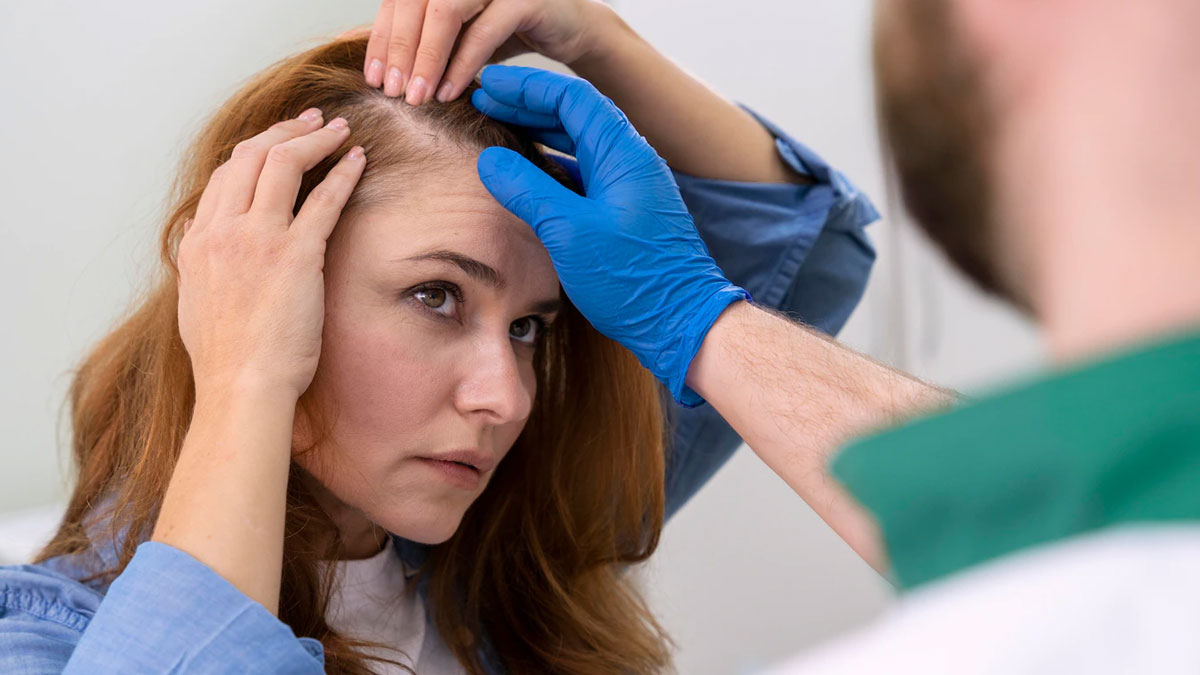
A reputable clinic never pressures you into immediate surgery. Instead, they perform a thorough scalp and density assessment, discuss likely progression, and create a customized plan. They clearly explain what is achievable versus unrealistic and provide an itemized cost breakdown without hidden fees. During the consultation, evaluate how staff answer your questions: patient, specific, and honest communication builds trust before any procedure.
Advanced Non-Surgical Treatments
Stem Cell Micro-Channeling
For women hesitant about surgery, stem cell technology offers a minimally invasive option. Micro-channeling creates tiny pathways in the scalp, triggering a natural healing response. When combined with serums rich in growth factors from stem cells, this approach signals dormant follicles to re-enter the growth phase. No incisions or stitches are needed, and most patients resume normal activities immediately. It represents a biological shift toward revitalizing the scalp's own architecture rather than mechanical repair through transplants.
Low-Level Laser and Light Therapy
LLLT and LED treatments deliver specific wavelengths to the scalp, stimulating cellular metabolism, improving blood flow, and reducing inflammation. This non-invasive, painless method is ideal for early-stage thinning or for those who cannot tolerate topical medications. Regular sessions stabilize shedding and improve overall texture and thickness. For women intimidated by needles, laser therapy provides a scientifically backed, stress-free entry into restoration.
Debunking Common Hair Myths
Washing Frequency and Scalp Health
Many women wash hair less often to prevent loss, but this can backfire. A dirty scalp accumulates sebum, sweat, and dead skin, clogging follicles and causing inflammation—a hostile environment for growth. Use a gentle shampoo and massage with fingertips to stimulate circulation. A clean scalp is essential for any hair growth treatment to work effectively.
Trims Do Not Accelerate Growth
Cutting hair does not speed up growth from the follicle—that's a myth. However, regular trims remove split ends that travel up the shaft and cause breakage, allowing hair to retain its length. A fresh cut also creates a fuller perimeter, giving the illusion of thicker hair. So while trims won't make hair grow faster, they keep it healthy and voluminous.
Frequently Asked Questions
What are the most effective hair loss solutions for women? Options include topical minoxidil, oral spironolactone, laser therapy, and platelet-rich plasma (PRP). Natural remedies like essential oils may also help. A combination tailored to your specific cause yields the best results.
How does a hair growth clinic assist women? Clinics diagnose underlying causes, create personalized plans (medications, laser, nutritional advice), and monitor progress. They offer a structured, medical approach compared to over-the-counter products alone.
What are the latest advancements in hair growth treatments? Stem cell therapy, low-level laser therapy, and advanced topical formulations lead the list. These innovations improve thickness, scalp health, and regrowth with minimal downtime.
What should I consider when searching for hair restoration options near me? Evaluate clinic reputation, doctor qualifications, range of treatments, and consultation quality. Read reviews and ask about follow-up care to ensure comprehensive support.
Are all-inclusive hair treatment packages available? Yes, many clinics offer packages covering scalp treatments, nutritional support, and follow-ups. These bundled approaches often lead to more consistent, effective outcomes.