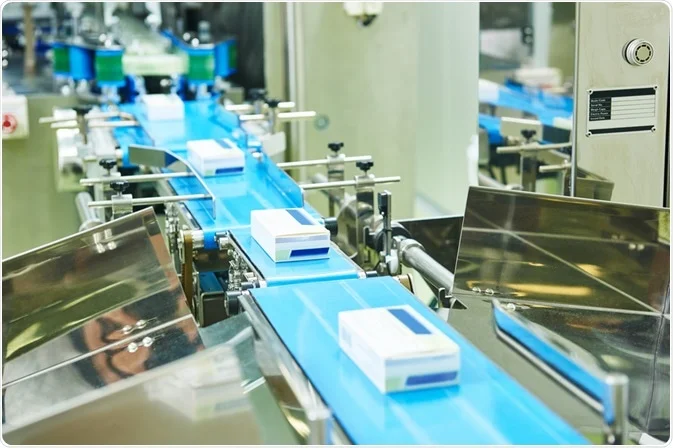
Sustainable Pharma Packaging: Mono-Materials, Bioplastics & Smart Design
Explore sustainable pharma packaging innovations: mono-material films, bioplastics, smart labels, and supply chain changes that reduce medical waste.
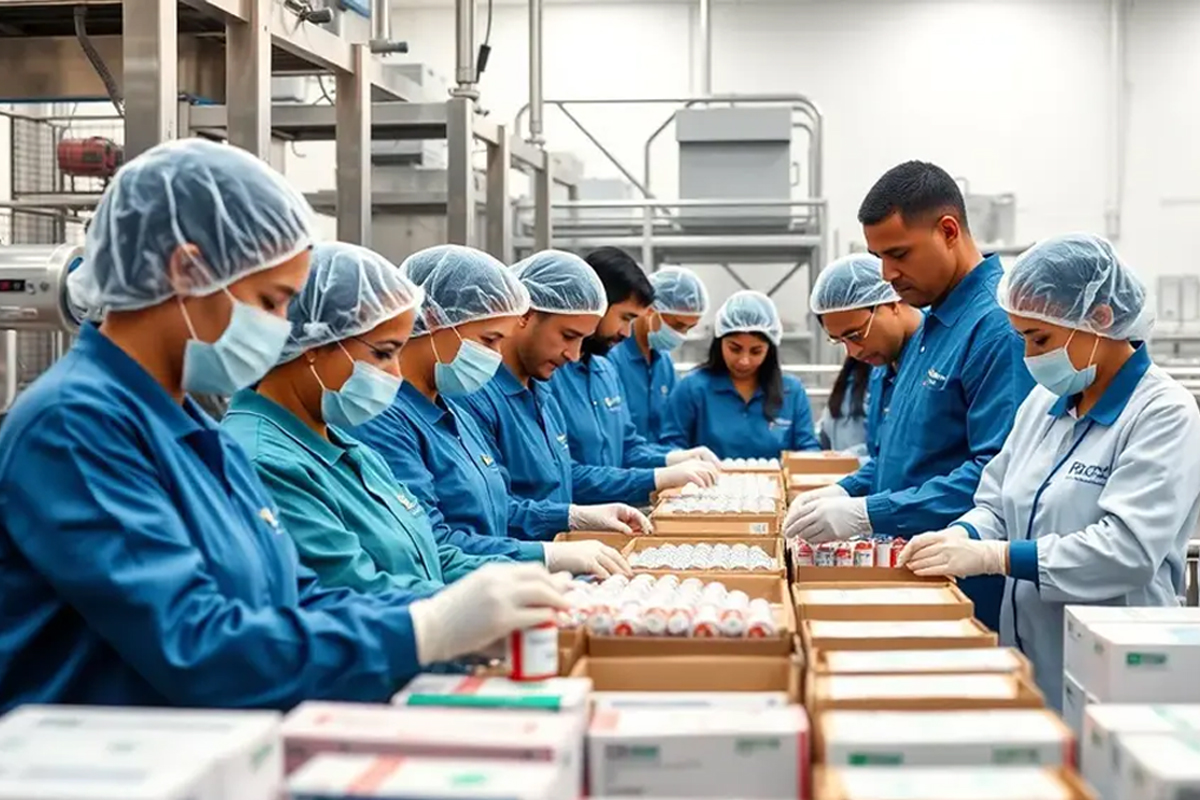
Redefining Medical Waste with Eco-Friendly Packaging
Pharmaceutical packaging has long relied on multi-layer films combining plastics and aluminum to protect sensitive drugs. While these composites block moisture and oxygen effectively, they are nearly impossible to recycle, sending most blister packs and sachets to landfills. The industry is now pivoting to mono-material solutions—packaging made from a single polymer that retains high barrier properties and fits into existing recycling streams.
The Shift to Mono-Material Films
Engineering mono-materials for medical use poses challenges, especially maintaining sterility after gamma irradiation or ethylene oxide sterilization. Recent breakthroughs in transparent vapor-deposited films provide the necessary protection while remaining fully recyclable. These materials balance environmental goals with patient safety.
Bioplastics from Agricultural Byproducts
Beyond recycling, innovators turn to farm waste—rice straw, corn stover, pruning residues—to produce biopolymers like PLA and PBS. Lignin extracted from plant cell walls acts as a natural antioxidant and antimicrobial agent, potentially extending shelf life. Starch-based polymers from cassava offer flexibility for IV bags. These plant-based materials match petroleum-based performance under medical-grade standards.
Overcoming Manufacturing Hurdles
Switching to bio-based films introduces issues like “blocking,” where layers stick on high-speed machinery. New organic anti-blocking agents made from natural plant particles and modified waxes solve this without contaminating compostability, allowing manufacturers to use existing equipment and lowering the cost barrier for sustainable materials.
Smart Packaging for Sustainability
NFC chips and dynamic QR codes embedded in packaging provide real-time inventory visibility, reducing overproduction and waste. Smart labels offer consumers localized recycling instructions, eliminating disposal confusion. This transforms packaging into a communication platform that drives higher recycling rates and builds brand loyalty among eco-conscious patients.
Supply Chain Innovations: Inks, Adhesives, Coatings
Standard adhesives and metallic inks can sabotage recycling by contaminating recovered materials. “Wash-off” adhesives deactivate in recycling wash baths, allowing clean separation. Water-based biodegradable coatings for paperboard replace plastic laminates, ensuring the entire package contributes to circularity.
Meeting Consumer Demand
Patients now scrutinize pharmaceutical packaging as closely as food packaging. Right-sizing—eliminating empty headspace and excessive layers—reduces waste. Molded pulp inserts have evolved from egg-carton quality to premium shock-absorbent trays that are clearly recyclable. Companies like West Pharmaceutical Services and Amcor lead the shift toward eco-friendly designs that align with patient values.
| Factor | Compostable Solutions | Recyclable Systems | Reusable Models |
|---|---|---|---|
| Best Use Case | Single-use films, sachets, secondary wrappers | Bottles, rigid containers, paperboard cartons | B2B transport totes, bulk supply containers |
| Consumer Action | Industrial composting facility required | Curbside bins (widely understood) | Return-to-vendor or pharmacy take-back |
| Primary Benefit | Reduces microplastic pollution; returns nutrients | Keeps materials in economy; cuts plastic use | Eliminates single-use waste |
| Challenge | Confusion with standard plastic; needs clear labeling | Contamination from food/chemicals; market price swings | Reverse supply chain logistics and sterilization |
Frequently Asked Questions
What are sustainable pharmaceutical packaging solutions? They are eco-friendly materials and designs that use recyclable, biodegradable, or reusable components to minimize environmental impact, reduce waste, and lower carbon emissions while meeting regulatory and consumer expectations.
Who are leading eco-friendly medicine packaging suppliers in the US? West Pharmaceutical Services and Amcor are key players, focusing on innovative sustainable solutions that meet strict pharmaceutical standards.
What materials are considered green medical packaging? Biodegradable plastics, recycled paper, and plant-based materials like polylactic acid (PLA) that decompose naturally or are easily recyclable, reducing the ecological footprint.