2025 Solar Panel Guide for Australia: Installers, Battery Storage & Incentives
Discover top solar installers, battery storage options, and federal incentives in Australia for 2025. Maximise savings and energy independence.
Solar Incentives and Feed-in Tariffs for 2025
One of the strongest drivers behind Australia's solar boom is the combination of high electricity prices and generous government incentives. Under the Small-scale Renewable Energy Scheme (SRES), homeowners receive an upfront discount based on expected generation, calculated as Small-scale Technology Certificates (STCs). The value of STCs varies by zone. The table below shows 2025 estimates.
Federal Solar Incentive Zones & STC Value Estimates (2025)
| Zone | Location Examples | STC Multiplier | Est. Subsidy for 6.6 kW System |
|---|---|---|---|
| Zone 1 | Alice Springs, Tennant Creek | 1.622 | $3,600 – $3,900 |
| Zone 2 | Darwin, Broome | 1.536 | $3,400 – $3,700 |
| Zone 3 | Sydney, Perth, Brisbane, Adelaide | 1.382 | $2,900 – $3,200 |
| Zone 4 | Melbourne, Hobart, Canberra | 1.185 | $2,400 – $2,700 |
Source: Clean Energy Regulator "Small-scale Renewable Energy Scheme Guidelines" (2025). Residents in Zone 3 (including Greater Sydney) receive substantial subsidies, making ROI highly attractive.
Excess energy sent to the grid earns a feed-in tariff (FiT), which offsets supply charges and night-time use. But with solar, running heavy appliances during the day—when generation peaks—becomes the new norm. Homeowners use timers and apps to align consumption with production, turning energy management into a smart game of resource optimisation.
Battery Storage: Maximise Self-Consumption
Solar panels alone have a limitation: no power at night or during heavy rain. Residential battery storage solves that. Excess daytime energy is stored for evening use, and batteries provide backup during blackouts. This transforms a home into a resilient energy hub. The table below compares typical system configurations and payback periods for NSW in 2025.
Estimated Solar & Battery ROI in NSW (2025 Projections)
| System Configuration | Est. Annual Generation | Self-Consumption Rate | Est. Annual Savings | Payback Period (Approx) |
|---|---|---|---|---|
| 6.6 kW Solar Only | 9,200 kWh | 25% – 30% | $1,100 – $1,300 | 3 – 4 Years |
| 6.6 kW Solar + 10 kWh Battery | 9,200 kWh | 70% – 85% | $2,100 – $2,500 | 7 – 9 Years |
| 10 kW Solar + 13.5 kWh Battery | 14,000 kWh | 65% – 80% | $3,000 – $3,600 | 6 – 8 Years |
Source: Clean Energy Council of Australia "State of the Industry Report" (2024). Solar-only systems have fast payback due to lower entry costs, but adding a battery dramatically increases self-consumption—the key to long-term savings as electricity prices rise faster than feed-in tariffs.
Community Batteries and Virtual Power Plants
Individual batteries are expensive, but community batteries—medium-to-large storage units in public spaces—serve multiple households. Renters or homes with shading issues can "rent" capacity. Excess solar flows into the shared asset during the day, and at night households draw it back as a credit. This lowers the barrier to entry and stabilises the grid by absorbing midday voltage spikes. Trials are rolling out across Australian suburbs, shifting from individual survival to community resilience.
An even larger-scale innovation is the Virtual Power Plant (VPP). Thousands of home batteries are connected digitally and coordinated by an aggregator. When the grid is stressed during a heatwave, the VPP commands batteries to discharge simultaneously, supporting the network without gas peaker plants. Households receive upfront discounts or bill credits for allowing occasional access to stored energy. This turns homeowners from passive consumers into active participants in the national energy market.
Choosing the Right Solar Installer
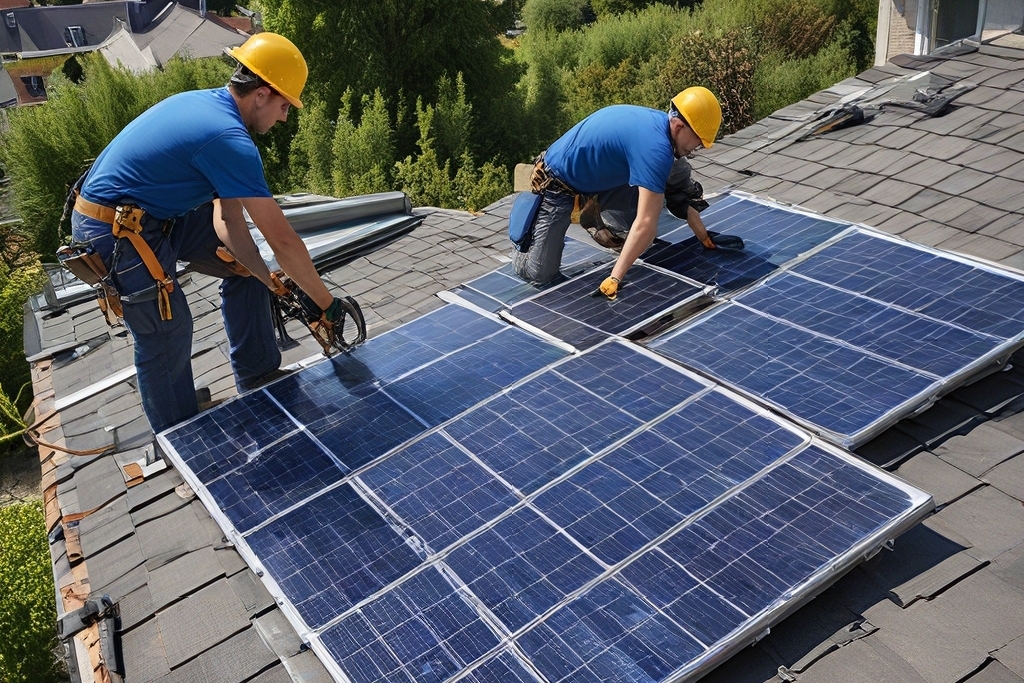
While solar technology is global, installation is intensely local. Success depends on installers who understand the micro-climate and housing stock—shading from native gum trees, street orientation, and council regulations. Regional specialists design systems that account for roof pitch, wind loading, and future-proofing for electric vehicles. They act as energy consultants, helping navigate VPP offers, inverter choices, and battery options. As suburbs electrify—replacing gas heating and petrol cars—the installer becomes a long-term partner, building the new grid from the bottom up with reliable, high-quality workmanship.
Frequently Asked Questions About Solar in Australia
What are the benefits of choosing local solar panel companies? Local companies understand the area's climate and energy needs, offer personalised service, quicker maintenance response, and knowledge of local regulations and incentives. This streamlines installation and ensures tailored solutions.
How do solar installation companies in Australia ensure quality and compliance? Reputable installers follow Clean Energy Council (CEC) guidelines, use accredited products, and provide warranties. Choosing a CEC-accredited installer guarantees qualified professionals who stay current with industry standards.
What factors should I consider when selecting a solar installer? Look for reputation, customer reviews, industry experience, and CEC accreditation. Assess the range of services including support and maintenance. Get multiple quotes to compare pricing and offerings.