Dementia Home Care: Expert Strategies for Safety, Therapy, and Caregiver Support
Learn how to combine expert guidance, home safety, therapeutic activities, and caregiver support for effective dementia home care. Improve quality of life today.
Holistic Dementia Care at Home
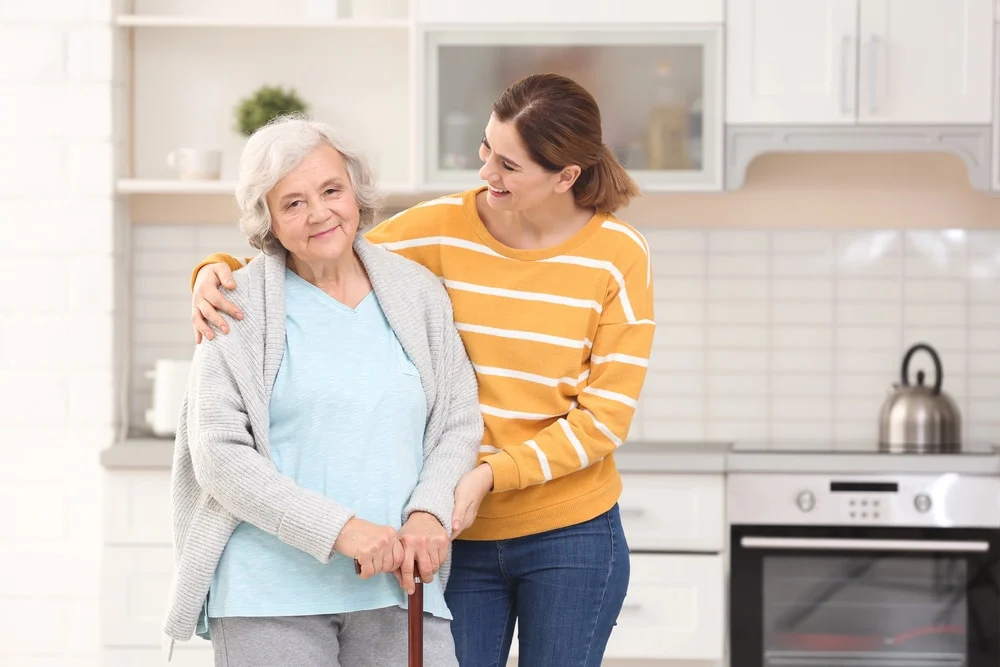
Caring for a loved one with dementia in their own home requires more than goodwill—it demands a coordinated approach blending professional expertise with a safe, engaging environment. Families who partner with healthcare specialists can create a setting that fosters safety, dignity, and cognitive stimulation, significantly improving the quality of life for everyone involved.
Home Modifications for Safety and Ease
Simple adjustments recommended by occupational therapists can dramatically reduce confusion and falls. Clear pathways, contrasting colors on doors and handrails, decluttered spaces, and proper lighting help the individual navigate independently without stripping the home of its warmth. A professional home assessment identifies specific hazards and suggests tailored solutions that evolve as the condition progresses.
Embedding Therapy in Daily Routines
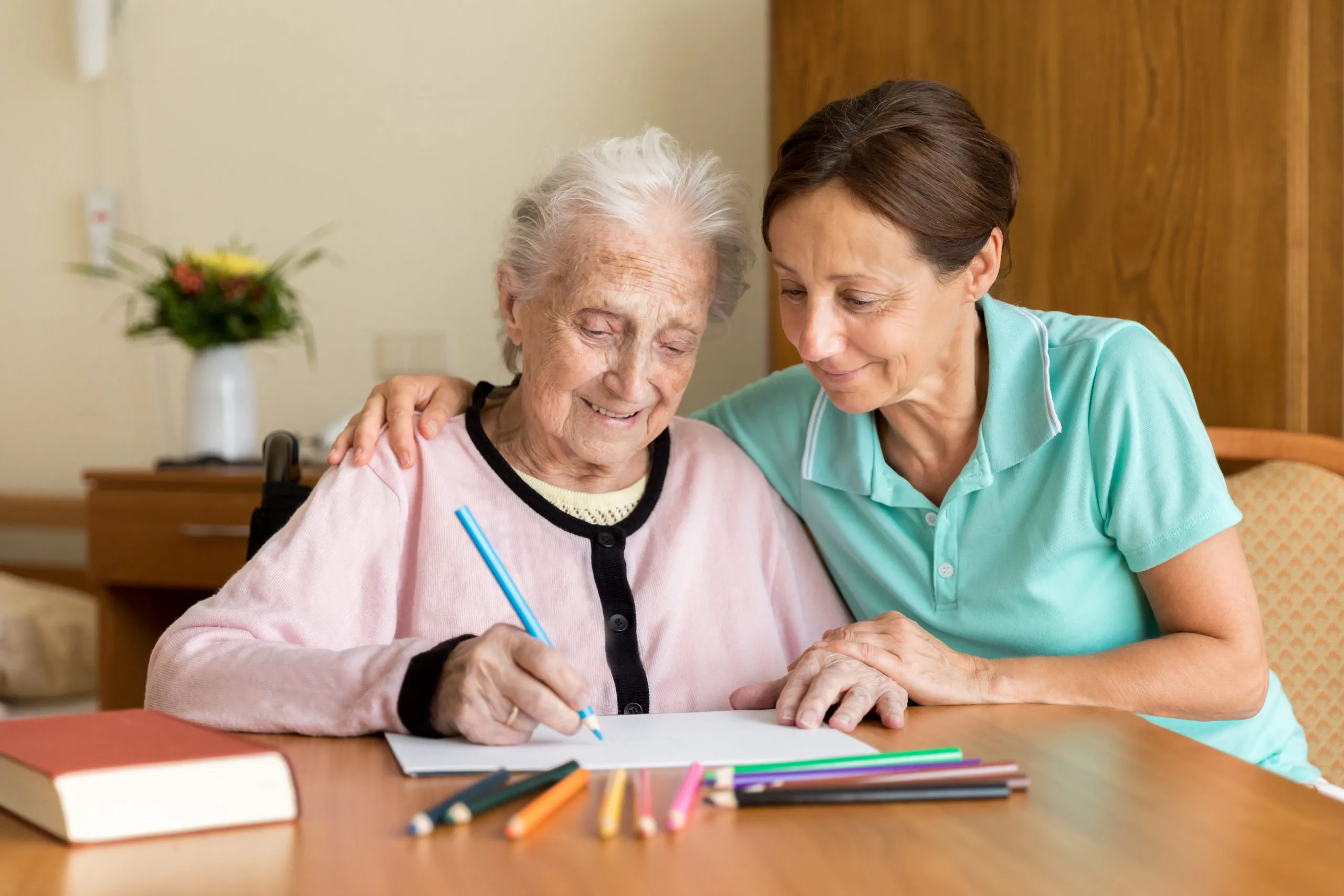
Therapeutic activities don't have to feel clinical. Art sessions, music playlists, memory games, and gentle movement can be woven into everyday life to stimulate the brain, reduce agitation, and provide meaningful engagement. Caregivers learn adaptation techniques from therapists to keep activities relevant through different dementia stages.
The Multidisciplinary Care Team
A dementia patient thrives when a coordinated team—geriatricians, neurologists, nurses, therapists, and social workers—communicates regularly. This integration ensures medical, emotional, and social needs are met cohesively, allowing rapid adjustments when symptoms change. Family caregivers become active partners rather than isolated providers.
Innovative Therapies and Technology
Non-invasive neuromodulation therapies (e.g., transcranial magnetic stimulation, mild electrical stimulation) show promise for supporting cognitive function. Digital tools such as medication reminders, appointment alerts, and remote monitoring systems promote independence and safety while easing caregiver burden. These technologies enable early intervention when unusual patterns are detected.
Empowering Caregivers
Caregiver well-being directly affects care quality. Education programs teach practical communication techniques, crisis management, and understanding of dementia stages. Competent caregivers experience less stress and offer more compassionate support. Equally critical is self-care—setting boundaries, joining support groups, and prioritizing personal health to prevent burnout and sustain long-term care.
Tailoring Professional Services
Home care services should be customized to the patient’s evolving needs, from personal care (bathing, dressing) to skilled nursing and therapy. Flexible plans that adapt as the disease progresses ensure the right level of support without unnecessary intrusion. Families should choose agencies with specialized dementia training and a strong reputation for responsiveness.
Building Community Support Networks
Home care agencies often connect families to local resources—support groups, respite care, and educational workshops. Combining professional care with a robust personal network creates a safety net that benefits both the patient and the family, reducing isolation and providing practical advice.
Frequently Asked Questions
What are the benefits of home care for dementia patients? Home care offers personalized attention in a familiar setting, reducing anxiety and infection risk. Patients maintain routines and independence longer, supporting dignity and emotional stability.
How can therapy improve quality of life? Occupational therapy preserves daily skills; cognitive stimulation delays decline; music and art therapy improve mood and reduce behavioral issues. All therapies are tailored to the individual’s abilities and interests.
What should families consider when selecting home care services? Check caregiver qualifications, dementia-specific training, plan flexibility, agency reputation, costs, and emergency support. Ask about communication protocols and how care adjustments are made.
What role do dementia care home jobs play? Professional caregivers provide daily assistance, monitor health, ensure medication adherence, and offer companionship. Their specialized training leads to better outcomes and fewer hospitalizations.
How does in-home care differ from hospital care? In-home care prioritizes the patient’s lifestyle and preferences, fostering normalcy. Hospital care is more clinical and disruptive. Home care reduces stress and maintains environmental continuity.