Warehouse Packer & Picker: Daily Tasks, Tools, Skills, and Career Advancement
Explore daily routines, tools, skills, and career paths in warehouse packing. See how packers boost logistics efficiency.
The Critical Role of Warehouse Packing in Logistics
Warehouse packing jobs form the backbone of modern supply chains, directly influencing order accuracy and customer satisfaction. As e-commerce expands, these positions evolve with digital tools and automation, requiring workers who are detail-oriented, physically resilient, and tech-savvy. This article breaks down the daily workflows, essential equipment, compensation packages, and career growth potential for warehouse packers and pickers.
Daily Workflows of Warehouse Packers and Pickers
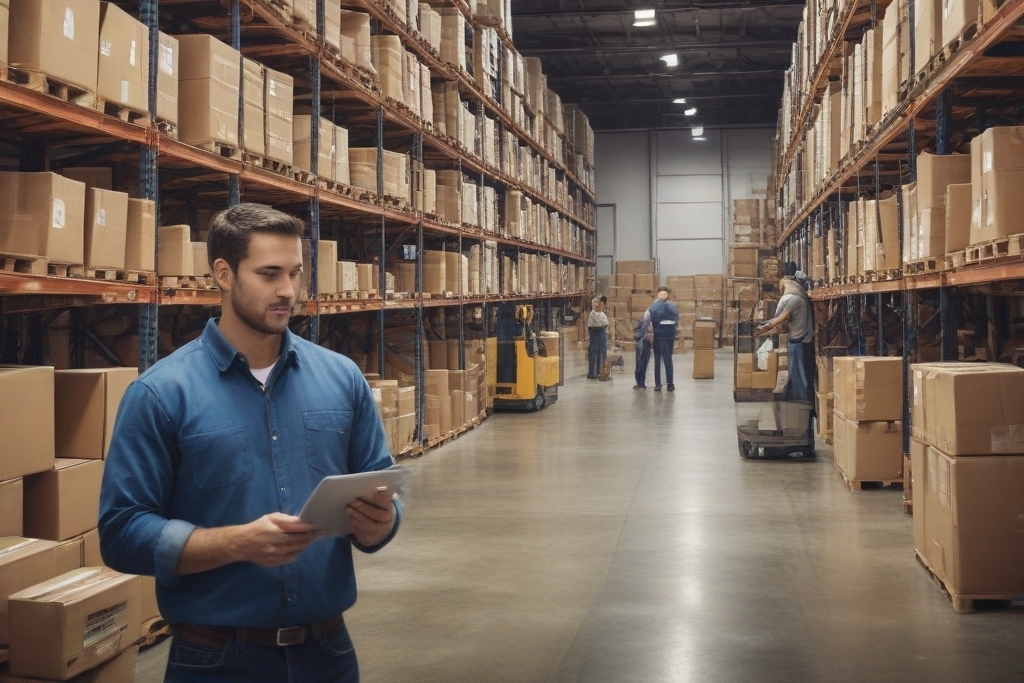
A typical shift begins with a digital device displaying order details. Workers navigate aisles, locate items on shelves, and scan barcodes to verify picks. They then pack goods securely—using materials like bubble wrap or boxes—to minimize damage during transit. The job demands a blend of physical stamina (lifting, walking, standing) and mental focus to sustain accuracy under high order volumes. Key challenges include maintaining speed without sacrificing quality, operating equipment safely, and adapting to changing priorities.
Essential Equipment for Efficient Packing
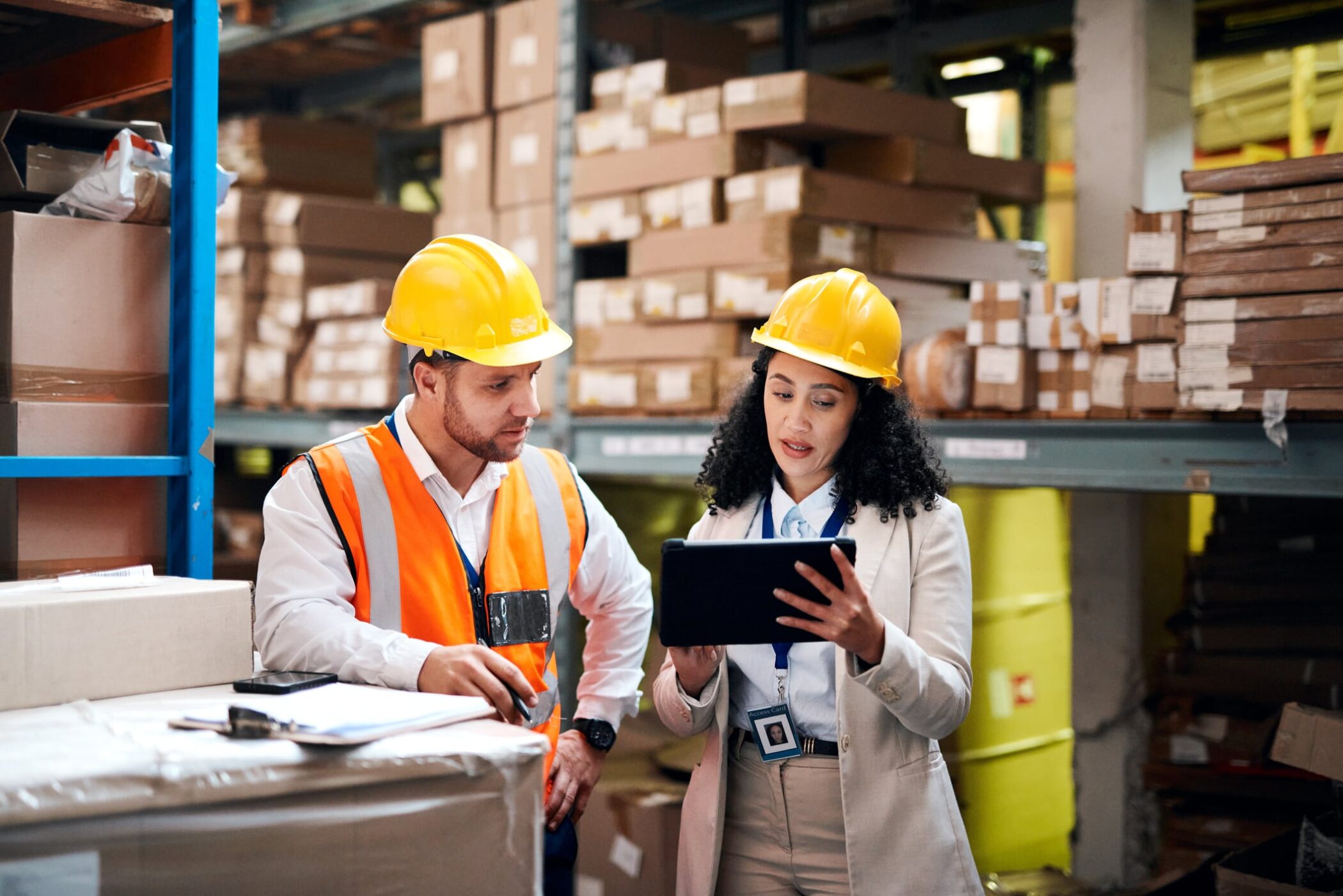
Modern packing stations rely on a mix of manual and automated tools. Core equipment includes handheld barcode scanners, inventory management software, pallet jacks, and ergonomic workbenches designed to reduce strain. Automated systems, such as conveyor belts and sortation machines, boost throughput for large-scale operations. Mastery of these tools—especially software updates and safety protocols—helps workers stay productive while protecting their health through proper posture and reduced manual lifting.
Compensation and Career Progression Pathways
Starting wages in warehouse packing are often supplemented by bonuses and benefits. Pay typically increases with experience, consistent accuracy, and skill acquisition. Workers who learn complex machinery, warehouse management systems (WMS), and advanced packaging techniques qualify for higher hourly rates. Many employers offer structured raises tied to certifications or specialized roles. This creates a clear ladder: entry-level packer to team leader, supervisor, or logistics technician. With additional certifications, individuals can advance to managing inventory systems or training new hires.
From Packer to Skilled Technician: Building a Career
Starting as a packer provides foundational skills—physical endurance, safety awareness, and attention to detail—that are transferable across logistics. As experience grows, workers learn to operate multiple equipment types, troubleshoot WMS issues, and earn certifications in areas like forklift operation or hazardous materials handling. This progression not only increases pay but also opens doors to higher-responsibility roles such as shift supervisor or logistics coordinator, where mentoring and process improvement become central.
Common Questions About Warehouse Packing
Q1: What are the main responsibilities of a warehouse packer?
A: Packers read digital orders, pick items from shelves, pack them securely, and prepare shipments. They use barcode scanners and inventory software to ensure accuracy. The role requires attention to detail, physical stamina, and organizational skills.
Q2: What skills and challenges define daily packer routines?
A: Key skills include accuracy, speed, physical endurance, and technical literacy. Challenges involve managing high volume without mistakes, safely operating equipment, and balancing speed with quality. Success depends on focus and adaptability.
Q3: How can warehouse packers advance their careers?
A: Starting as an entry-level packer, individuals can move into technician or supervisory roles by gaining experience, learning WMS, and earning certifications. Advancement leads to higher pay and responsibilities, such as training others or managing inventory.
Q4: Why are warehouse packing jobs important in modern logistics?
A: These roles directly impact order accuracy, shipping speed, and customer satisfaction. As e-commerce grows, packers adapt to new technologies, making them essential for efficient supply chains and meeting rising consumer expectations.