2025 Facelift Guide: Natural Rejuvenation, Costs & Minimally Invasive Options
Learn about natural facelift trends, Endolift vs surgery, laser alternatives, and 2025 costs. Find your ideal rejuvenation plan.
Shifting Trends in Facial Rejuvenation
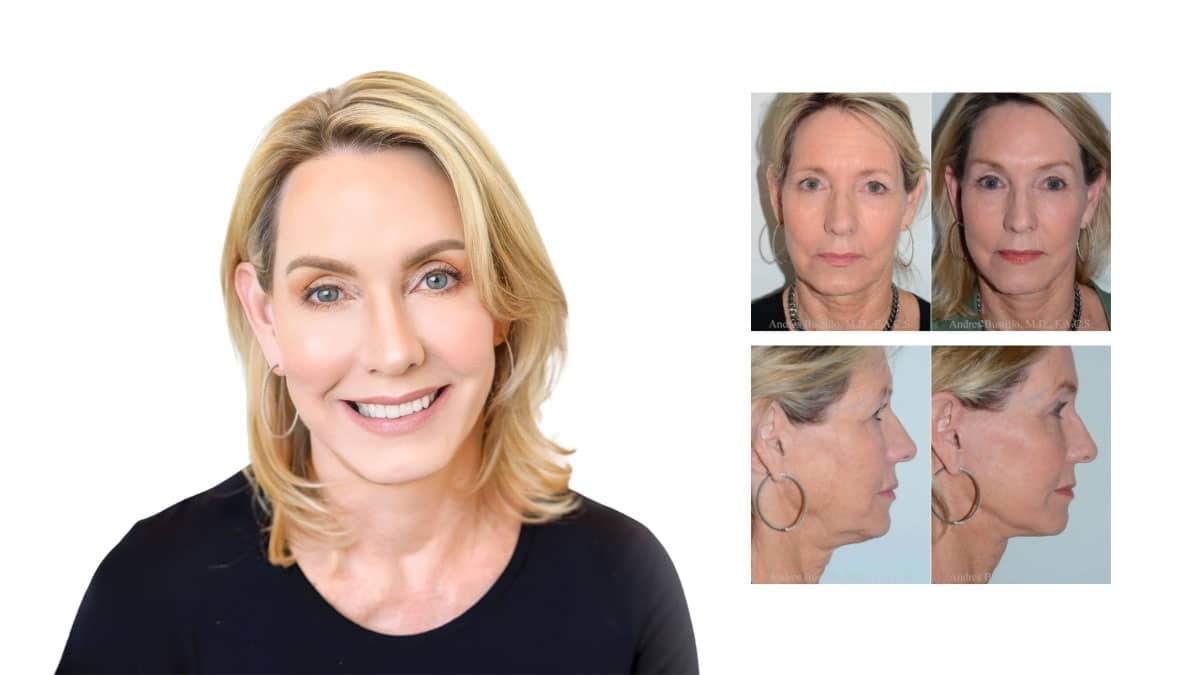
The beauty industry is moving away from dramatic makeovers toward subtle, natural-looking enhancements. More patients now prefer minimally invasive procedures that restore facial harmony without an obvious "done" look. This shift reflects a cultural embrace of authenticity and personalized care, where the goal is to look like a refreshed version of oneself rather than a different person. Younger adults are adopting proactive maintenance—undergoing treatments earlier to preserve youthful features. Technological advances, such as smaller incisions and reduced filler reliance, enable faster recoveries and more discreet results. Geographic factors also matter: the South Atlantic and Mountain/Pacific regions each account for about 29% of facelifts, likely due to cultural attitudes and access to skilled surgeons.
Facelift Costs in 2025
Cost remains a key factor in choosing a facelift. Prices vary by surgeon expertise, procedure type (e.g., mini versus deep plane), location, and additional procedures like neck lifts or eyelid surgery. Anesthesia and facility fees add to the total. The table below shows average costs across countries (data from Bookimed, January 2025):
| Country/Region | Average Cost (USD) | Cost Range (USD) |
|---|---|---|
| United States | $17,500–$50,000 | $17,500–$50,000 |
| United Kingdom | $13,300–$20,000 | $13,300–$20,000 |
| South Korea | $6,000–$14,000 | $6,000–$14,000 |
| Thailand | $2,500–$12,000 | $2,500–$12,000 |
When budgeting, factor in combined procedures and post-operative care, which can significantly raise the final expense.
Endolift vs. Traditional Facelift
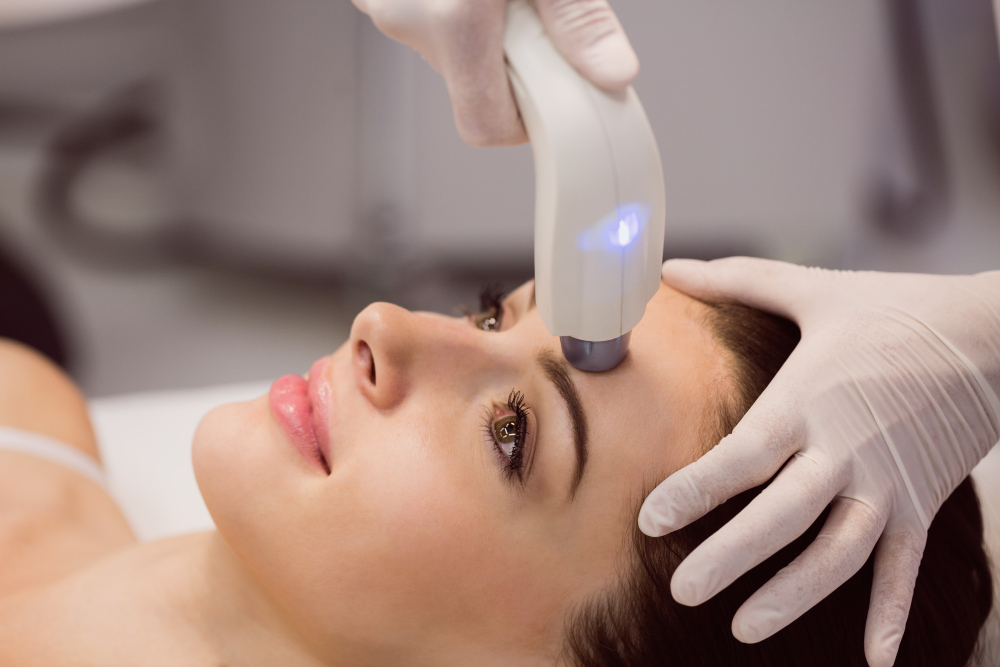
Two widely different options exist on the invasiveness spectrum: Endolift and traditional facelift. Endolift is a minimally invasive laser treatment that stimulates collagen production and reduces localized fat. Micro-optical fibers deliver targeted energy under the skin, producing a subtle lift with minimal downtime. It suits individuals with early aging signs or mild to moderate skin laxity who want a refreshed look without surgery. Traditional facelift involves surgical incisions to lift and tighten underlying muscles and tissues. It is best for advanced aging, significant sagging, or excess skin requiring comprehensive correction. Results are more dramatic and longer-lasting, but recovery takes longer and scarring risks are higher. The choice depends on your skin laxity degree, desired outcome, and tolerance for downtime. A qualified surgeon can help determine the best approach.
Laser Treatments: A Minimally Invasive Alternative
For those seeking gentle rejuvenation with minimal downtime, laser treatments have grown popular. Laser resurfacing and tightening boost collagen production, improving skin texture and elasticity without surgery. These procedures align perfectly with the modern preference for subtle, natural-looking results. Recovery is typically faster than surgical options, and complication risks are lower, making them attractive for busy individuals. Nationwide, non-invasive laser procedures are gaining traction, offering a refreshed appearance without drastic changes.
Creating Your Personalized Rejuvenation Strategy
The best path depends on your unique anatomy, aesthetic goals, and lifestyle. Today's trend toward personalized care means surgeons tailor procedures to enhance natural features. Whether you choose a surgical facelift, Endolift, or laser therapy, the key is finding a qualified provider who listens and delivers results that look as natural as possible.
Frequently Asked Questions
Q: What is the main trend in modern facelifts?
A: The trend is toward subtle, natural-looking enhancements via minimally invasive or advanced surgical techniques that restore facial harmony without drastic change.
Q: How do Endolift and traditional facelift differ?
A: Endolift uses laser energy for a mild lift with no incisions and quick recovery. Traditional facelift is surgical, offering more dramatic correction for advanced aging but longer downtime.
Q: What factors affect facelift cost?
A: Surgeon expertise, procedure type, geographic location, additional procedures, and anesthesia/facility fees all influence price.
Q: Which U.S. regions have the highest facelift demand?
A: The South Atlantic and Mountain/Pacific regions each account for about 29% of facelifts, likely due to cultural factors and surgeon availability.
Q: Are laser treatments a good alternative to surgery?
A: Yes, for mild to moderate aging concerns. They provide subtle results with faster recovery and lower risks, aligning with the modern preference for natural-looking outcomes.