Complete Guide to Solar Generators: How They Work, Benefits, and Top Brands
Discover how solar generators work, their advantages over gas models, and how to choose the best portable or home backup system.
What Is a Solar Generator?
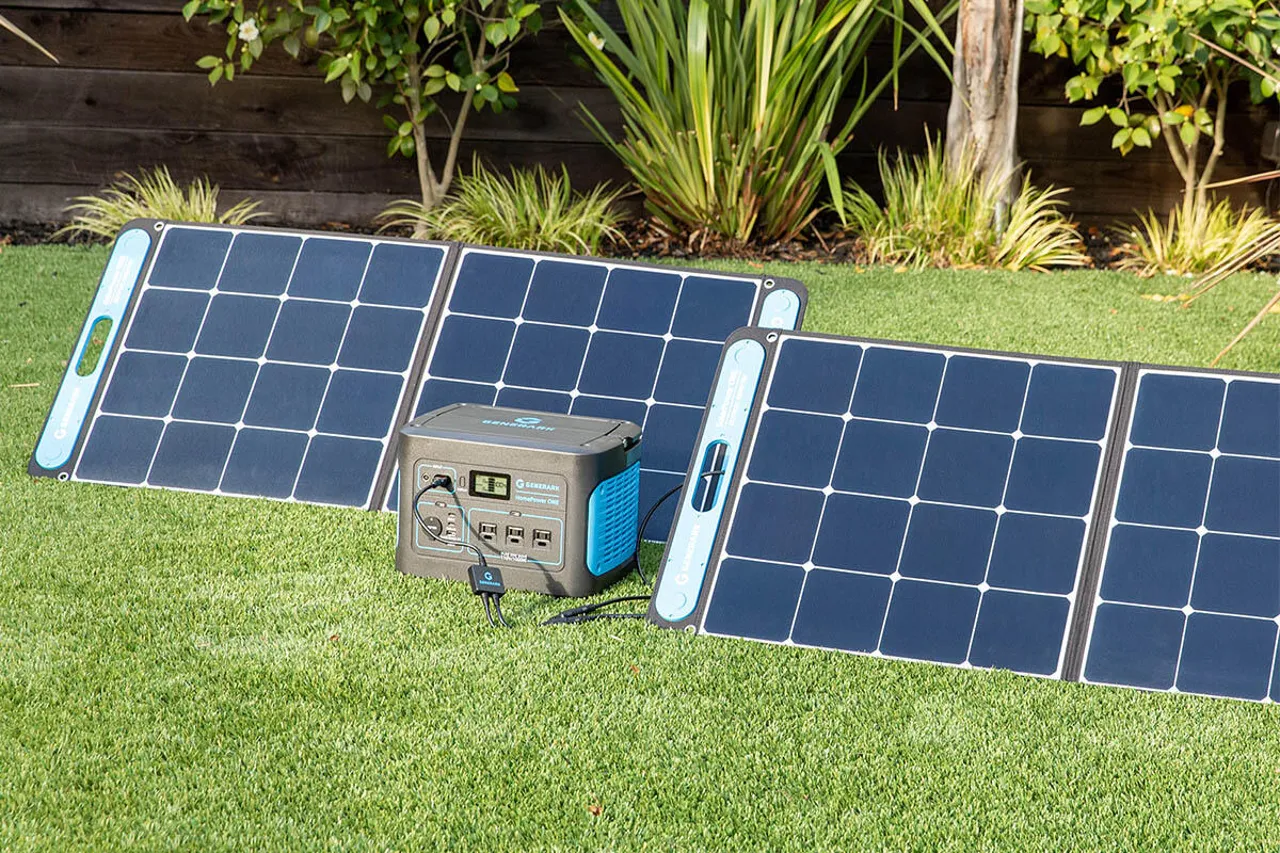
A solar generator captures sunlight and converts it into usable electricity, offering a clean, renewable power source for homes, camping, and emergencies. It comprises solar panels, a battery, and an inverter. Panels collect sunlight and produce DC electricity, which is stored in the battery or converted to AC by the inverter. A charge controller prevents overcharging and extends battery life.
Types of Solar Generators
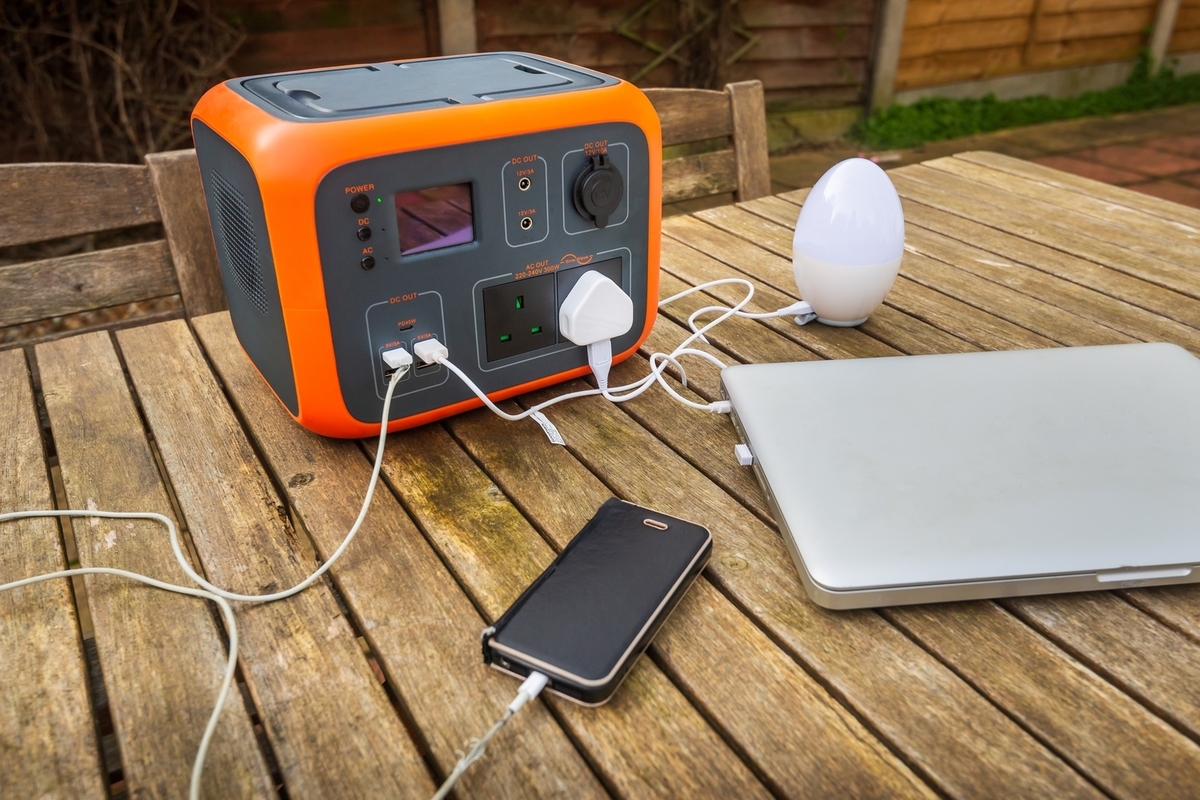
Solar generators come in three main designs: Portable models are lightweight and ideal for RVs or outdoor events. Home backup systems provide emergency power during outages. Off-grid systems are larger and designed for remote cabins or full-time off-grid living.
How Solar Generators Work
Sunlight strikes photovoltaic cells on solar panels, generating DC electricity. The charge controller safely charges the battery. When you plug in a device, the inverter converts DC to AC. Portable power stations function as large rechargeable batteries that can also be charged from wall outlets or car chargers.
Pros and Cons
Advantages
Eco-friendly: No emissions, reduced carbon footprint.
Renewable: Sunlight is free and abundant.
Quiet: Silent operation suitable for residential areas.
Low maintenance: Few moving parts, lower service costs.
Disadvantages
Initial cost: Higher upfront investment than gas generators.
Weather dependent: Output drops on cloudy days.
Limited output: Not ideal for heavy loads like large air conditioners.
Solar vs Traditional Generators
| Feature | Solar Generator | Traditional Generator |
| Fuel Source | Sunlight | Gasoline/Diesel |
| Emissions | None | CO2 and pollutants |
| Noise | Silent | Loud |
| Operating Cost | Low (after purchase) | High (ongoing fuel) |
| Maintenance | Minimal | Regular required |
Source: U.S. Department of Energy
How to Choose the Best Solar Generator
Consider these factors: Power needs—calculate total wattage of devices you plan to run. Battery capacity—higher capacity gives longer runtime. Portability—lighter models suit travel. Expandability—some systems allow adding panels or batteries.
Popular Brands
Goal Zero: Versatile portable solutions.
Jackery: Compact, ideal for camping.
EcoFlow: High output and fast charging.
Bluetti: High-capacity for power-intensive devices.
Powerness: Affordable and efficient.
Frequently Asked Questions
Can I use a portable power station indoors?
Yes, because they produce no fumes, unlike gas generators.
How long does charging take?
Under direct sun, most fully charge in 8–12 hours. Times vary by panel size and weather.
Is maintenance required?
Minimal—check connections and monitor system performance via display or app.
Can I combine solar with grid or diesel?
Yes, hybrid systems automatically switch between sources for reliable power.