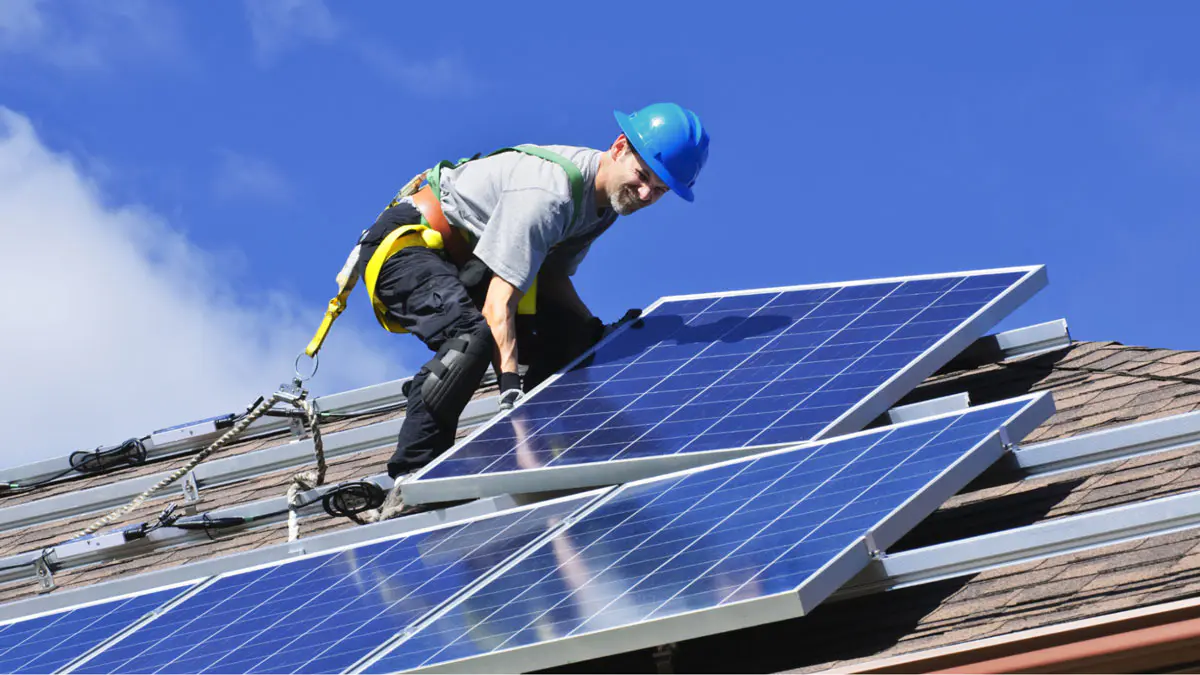
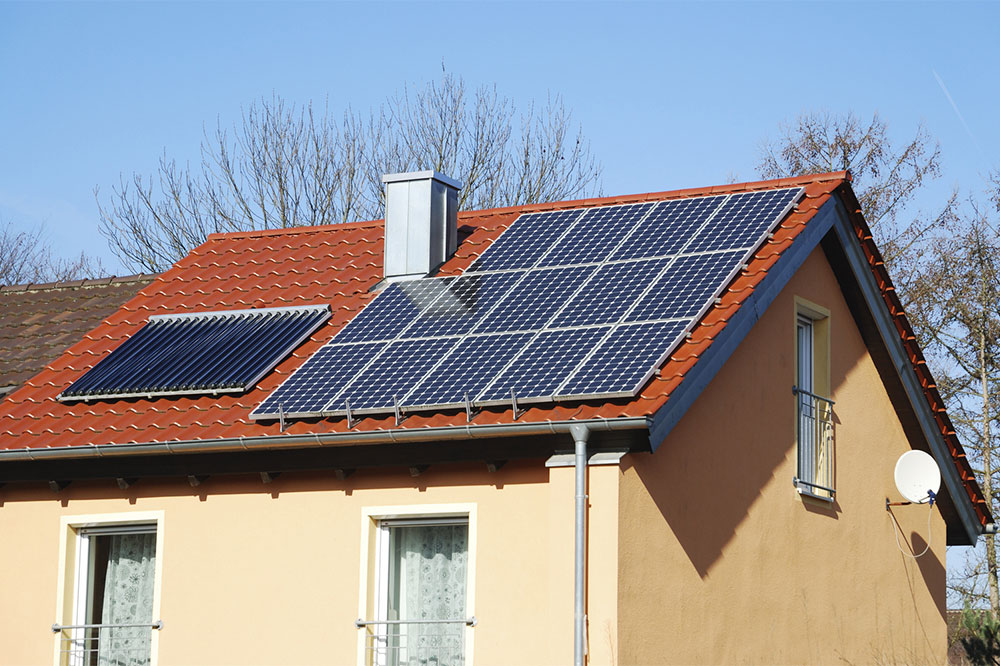
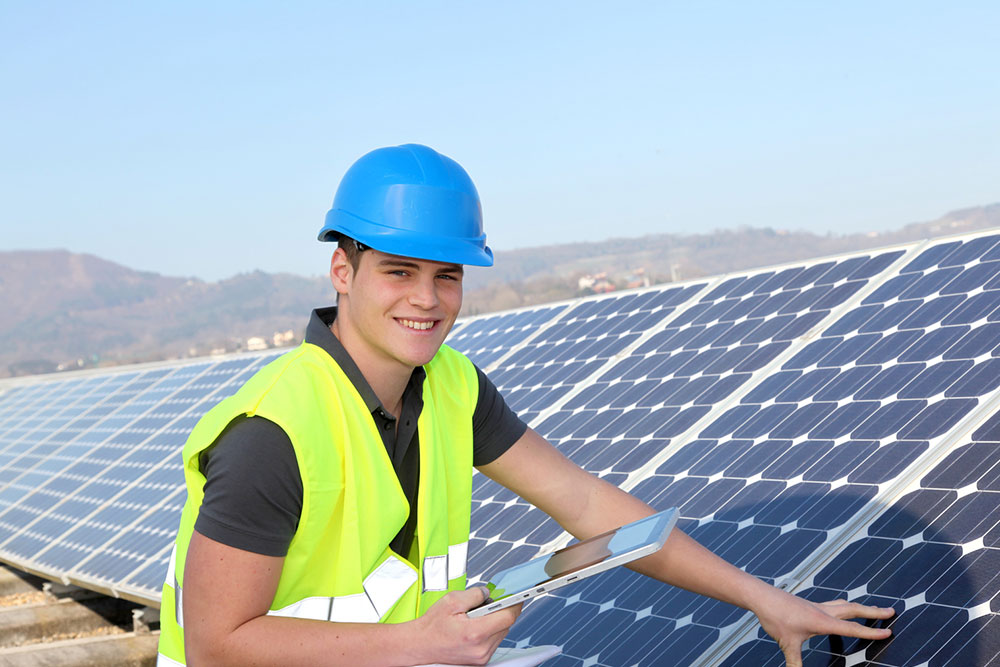
Solar Panels in the UK: How They Work, Installation Costs & Benefits
Learn how solar panels generate electricity, typical UK installation costs, and why they save money and carbon. Complete guide.
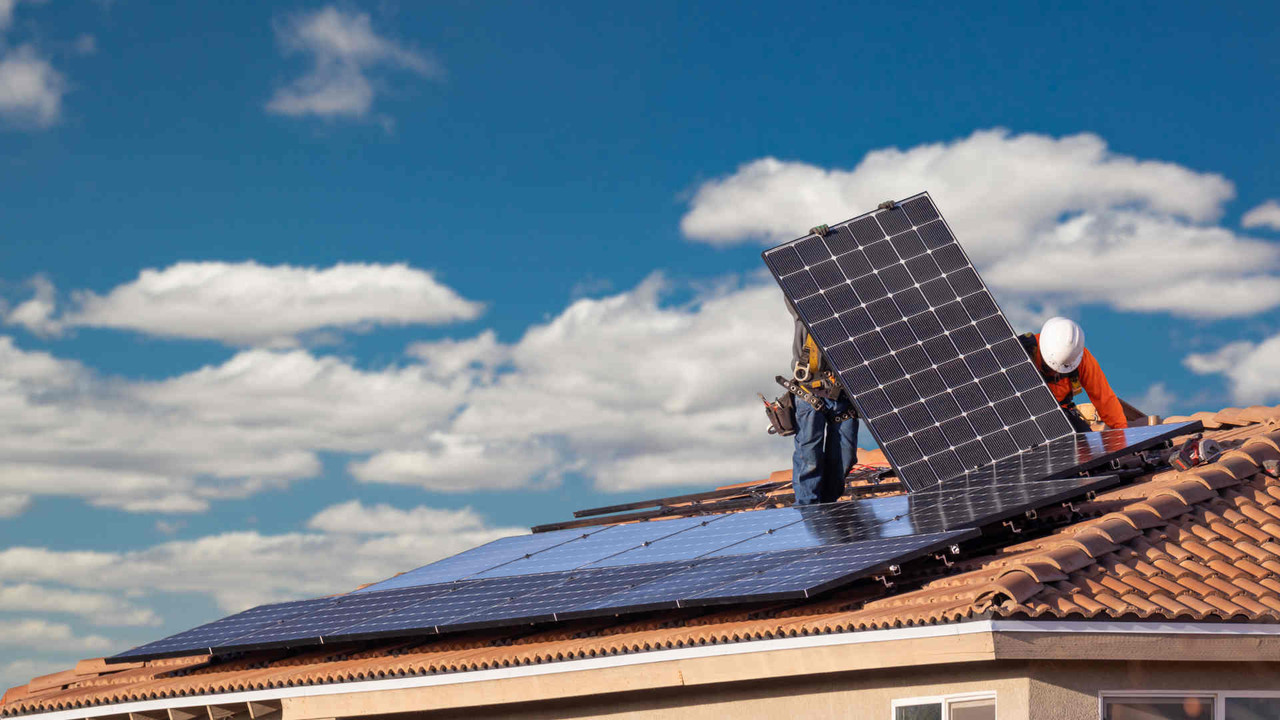
Why Install Solar Panels in the UK?
Solar energy is clean, renewable, and increasingly cost-effective. By generating your own electricity, you reduce reliance on the grid, lower your carbon footprint, and protect against rising energy prices. With the Smart Export Guarantee (SEG), any surplus power can be sold back to the grid, creating an additional income stream. The UK’s drive toward net-zero emissions means solar adoption is only set to grow.
How Solar Panels Generate Electricity
Photovoltaic (PV) panels convert sunlight into direct current (DC) electricity. An inverter then changes it to alternating current (AC) for home use. The process relies on the photovoltaic effect: photons from sunlight knock electrons free within silicon cells, creating an electric field that drives a current. Even on cloudy days, panels produce power, though output is lower.
Typical Installation Costs (UK 2025)
Getting multiple quotes is essential. Costs vary by system size, roof type, and region. Below is a breakdown based on UK Government Renewable Energy Statistics:
| Component | Estimated Cost Range (£) |
|---|---|
| Solar Panels | 3,000 – 5,000 |
| Inverter | 500 – 1,000 |
| Mounting Equipment | 500 – 1,000 |
| Labour | 2,000 – 4,000 |
| Total Installation | 6,000 – 10,000 |
Common Questions Answered
How long do solar panels last?
Most come with a 25-year warranty and can function effectively for 30 years or more with minimal care.
Do I need planning permission?
In most UK domestic cases, no. However, listed buildings and conservation areas require special approval.
What maintenance do they need?
Very little – occasional cleaning and an annual check-up keep performance high.
Can I sell excess electricity?
Yes, through the Smart Export Guarantee (SEG), homeowners can sell surplus power to their supplier.
The Future of Solar Energy in the UK
With the government’s net-zero commitment, solar PV is becoming a mainstream choice. Technological improvements and falling costs make it accessible for more households. Although the Green Homes Grant has closed, SEG and rising energy prices continue to drive uptake. Solar is now a practical, long-term investment for sustainable and cheaper electricity.