Complete Blackout Blinds Guide: Types, Prices, Installation & Benefits
Learn all about blackout blinds: types, costs, energy savings, and easy DIY installation. Perfect for bedrooms and home theaters.
Introduction
Blackout blinds are a simple yet powerful upgrade for any room where you need complete darkness, better sleep, or extra privacy. Unlike standard window coverings, they eliminate virtually all outside light and also provide insulation and noise dampening. This guide walks you through the different types, their costs, key benefits, and step‑by‑step installation—so you can make an informed choice.
What Are Blackout Blinds?
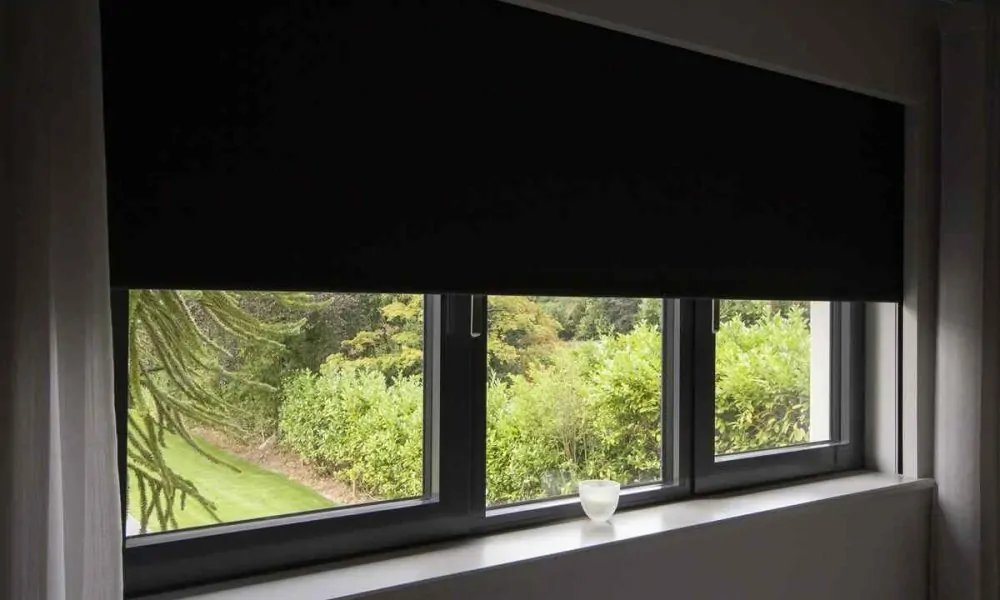
Blackout blinds are made from thick, opaque materials that block up to 100% of incoming light. They are designed to fit tightly against the window frame, leaving minimal gaps. Common uses include bedrooms, home theaters, nurseries, and offices where glare or external lighting is a problem. Beyond light control, they add a layer of thermal insulation and increase privacy.
Types of Blackout Blinds
Roller Blackout Blinds
The most widely sold option: a single piece of fabric rolls up and down via a cord, chain, or spring mechanism. They are affordable, easy to clean, and available in many colors. Price: $20 – $100.
Fitted Blackout Blinds
Custom‑made to your window’s exact dimensions, these blinds leave no light gaps. They are ideal for unusual window shapes or sizes. Installation requires a permanent mount, but the fit is perfect. Price: $50 – $200.
No Drill Blackout Blinds
Designed for renters or anyone who wants to avoid drilling holes. These blinds use strong adhesive strips or detachable brackets. They are easy to remove without damaging walls. Price: $30 – $150.
Total Blackout Blinds
Edge‑sealed against the frame with side channels or magnets, these provide the maximum possible darkness. They are the premium choice for shift workers, nurseries, or audiovisual rooms. Price: $40 – $250.
Key Benefits
Better Sleep: Complete darkness helps regulate your circadian rhythm, leading to deeper and more restful sleep.
Energy Efficiency: The thick fabric acts as an insulating layer, reducing heat loss in winter and keeping rooms cooler in summer.
Privacy: Outsiders cannot see through the opaque material, even during the day.
Noise Reduction: Dense fabrics absorb and dampen external sounds, making your space quieter.
Cost Overview
| Type | Price Range |
|---|---|
| Roller Blackout Blinds | $20 – $100 |
| Fitted Blackout Blinds | $50 – $200 |
| No Drill Blackout Blinds | $30 – $150 |
| Total Blackout Blinds | $40 – $250 |
Prices depend on size, material quality, brand, and any added features like motorization. Most budgets can find a suitable option.
How to Choose the Right Blackout Blinds
When selecting blinds for your bedroom or any room, consider the following:
Material: Look for durable, easy‑to‑clean fabric that matches your decor.
Size: Measure the window width and height precisely—gaps let in light.
Installation Style: Decide between drill‑free (for renters) or permanent mounting.
Color & Style: Coordinate with the room’s theme; lighter colors reflect heat, darker ones absorb it.
Online Shopping Tips
Buying blackout blinds online is convenient but requires care. Read verified customer reviews to check light‑blocking performance, check the return policy, and compare prices across retailers like Amazon, Home Depot, or specialized blind stores. Look for products that mention “100% blackout” or “total darkness” to ensure quality.
Installation Process
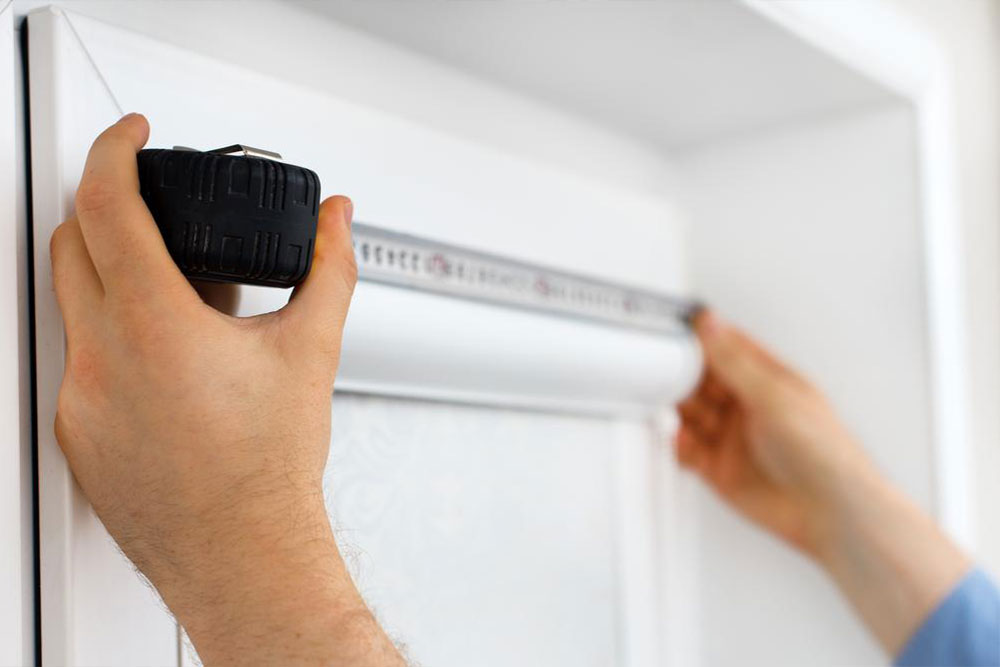
Measure accurately: Use a metal tape measure and note width and height at three points.
Choose mounting: Inside‑mount (within the window frame) or outside‑mount (above the frame).
Prepare the window: Clean the frame and mark bracket positions.
Install brackets: For drill‑free, peel and stick; for traditional, drill pilot holes and screw in.
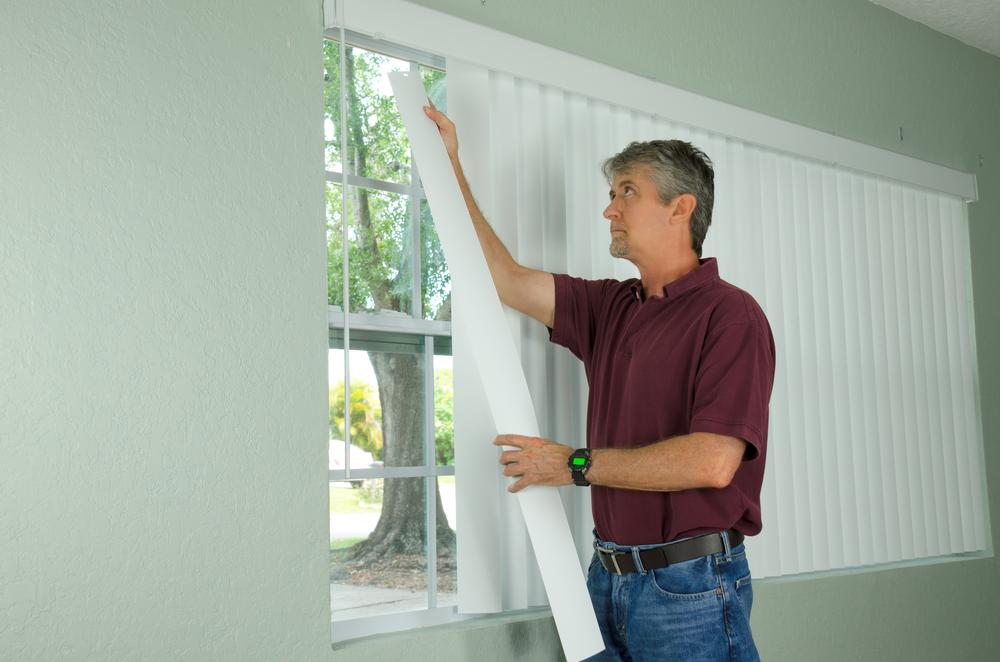
Attach blinds: Click or slide the blind into brackets, then test operation.
Adjust: Ensure smooth rolling or folding; trim side gaps if needed.
Common Mistakes to Avoid
Measuring incorrectly—always measure twice.
Choosing the wrong type (e.g., roller when total blackout is needed).
Skipping customer reviews on light blockage.
Not considering the room’s color scheme—blinds are a permanent fixture.
Forgetting to check the return policy before buying online.
Additional Features
Modern blackout blinds can include motorization, voice‑control compatibility with Google Home or Alexa, and integrated UV protection that prevents furniture and flooring from fading. Some models also offer a day‑and‑night dual‑layer design for flexible light control.
Frequently Asked Questions
Can blackout blinds be used in any room?
Yes—they work in bedrooms, living rooms, offices, bathrooms, and any space where you want privacy or darkness.
How do I clean them?
Dust regularly with a microfiber cloth or vacuum with a brush attachment. For stains, wipe with a damp cloth and mild detergent. Avoid soaking the fabric.
Are there eco‑friendly options?
Many brands offer sustainable materials such as bamboo, organic cotton, or recycled polyester. Look for certifications like OEKO‑TEX.
Can I install no‑drill blinds myself?
Absolutely. They are designed for simple DIY: just clean the window frame, peel the adhesive backing, and press into place. Most come with step‑by‑step instructions.
Do blackout blinds fade over time?
High‑quality blinds are treated to resist UV fading. However, prolonged direct sunlight may cause slight color change over many years. Rotating the fabric periodically helps.
Conclusion
Blackout blinds are a versatile, cost‑effective way to improve sleep, save energy, and enhance privacy. By understanding the types and costs, measuring carefully, and following the installation steps, you can create a darker, more comfortable space. Whether you choose roller, fitted, no‑drill, or total blackout, the investment pays off in better rest and lower utility bills.