Essential Guide to Modern Home Security Systems: Cameras, Alarms & Smart Features
Discover key components of modern home security systems, costs, and smart features. Get FBI-backed stats and expert tips to protect your home.
Why a Modern Home Security System Matters
Today's security systems are far more than just burglary deterrents. They provide round-the-clock peace of mind, remote monitoring via smartphone, and protection against fire, carbon monoxide, and water leaks. According to the FBI Uniform Crime Reporting, homes without security systems are 300% more likely to be burglarized, and alarms prevent up to 60% of break-ins. With the average loss per residential burglary reaching $2,416, a well-chosen system is a cost-effective safeguard.
Core Components of a Home Security System
Security Cameras
Cameras remain the most visible deterrent. Choose from these common types:
Indoor cameras – Blend into your decor, often featuring two-way audio and high-resolution video (1080p or higher).
Outdoor cameras – Weatherproof housing, motion sensors, night vision, and optional facial recognition.
Doorbell cameras – Replaces your doorbell, allowing you to see and speak with visitors from anywhere via a mobile app.
Wireless Security Cameras
Wireless cameras connect through Wi‑Fi, making installation simple and placement flexible. They offer remote viewing, cloud storage options, motion-triggered alerts, and seamless integration with smart home platforms (Alexa, Google Assistant).
Alarm Systems & Sensors
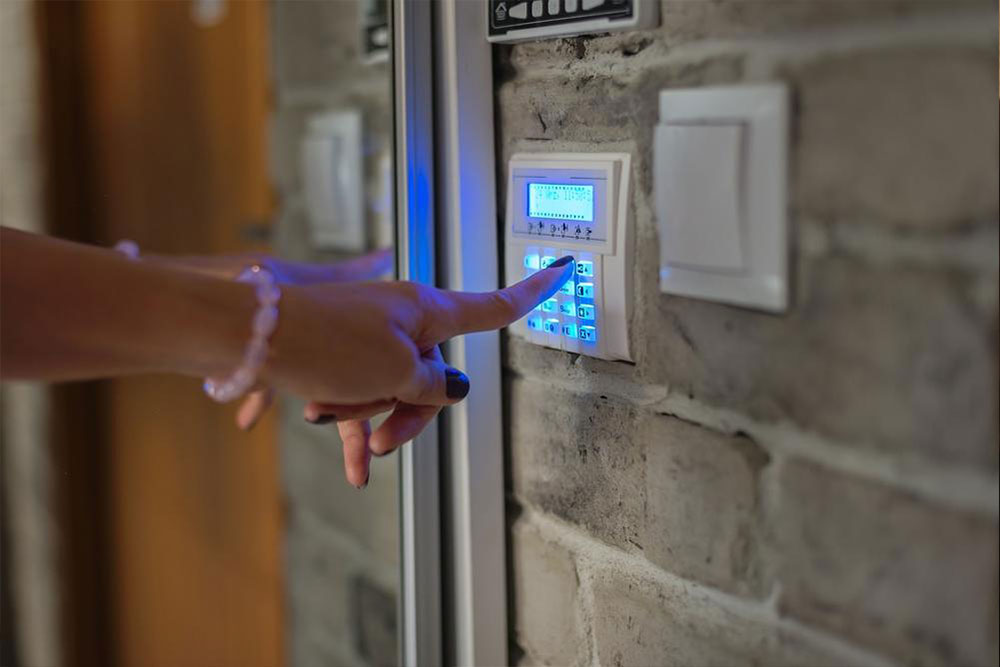
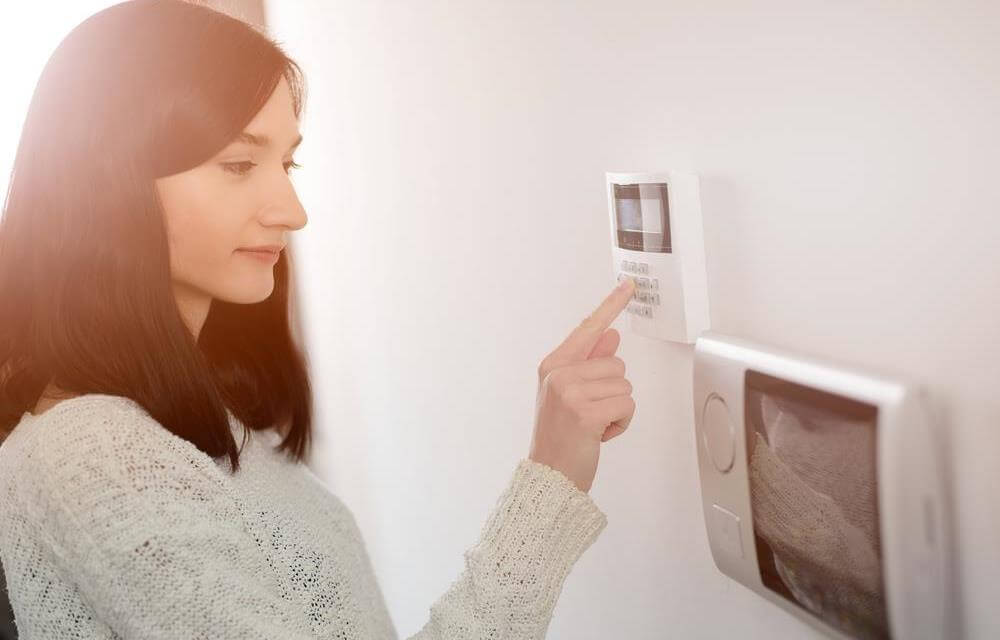
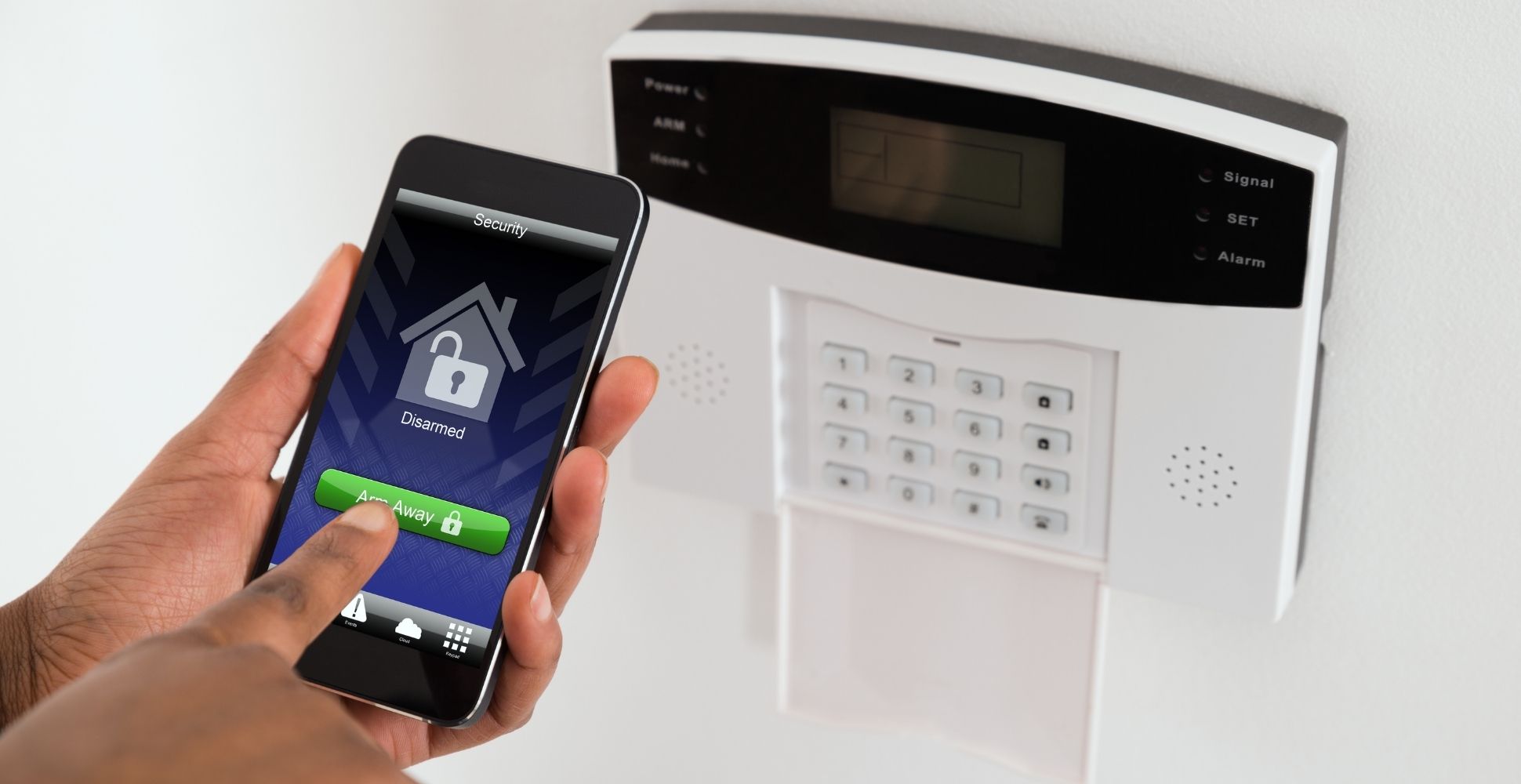
Alarm systems detect unauthorized entry using motion detectors, window/door sensors, and glass-break sensors. Modern systems let you arm or disarm remotely via a smartphone app, receive tamper alerts, and integrate with smoke/CO detectors. Choose between self-monitoring or professional monitoring for immediate emergency response.
Choosing a Security Provider
Leading companies each bring different strengths:
Vivint – High-tech smart home integration, professional installation, premium pricing.
ADT – Trusted brand with 24/7 monitoring, contracts, and wide service range.
SimpliSafe – DIY-friendly, no long contracts, affordable monthly monitoring.
When evaluating providers, check reputation, range of services (including environmental sensors), and contract flexibility.
How to Pick the Best System for Your Home
Budget
Costs typically range from $300 (DIY kit) to $1,500 (full professional installation with monitoring). DIY systems are cheaper upfront, while professional setups often include warranties and financing plans.
Must-Have Features
Prioritize high-resolution video (at least 1080p), night vision, smart home compatibility, and environmental sensors that detect smoke, carbon monoxide, and water leaks.
Ease of Use
Look for intuitive mobile apps and straightforward installation. Many systems are DIY-friendly; others offer professional setup (usually included in the price). Test the app before committing.
Real-World Impact: Key Statistics
| Statistic | Value |
| Homes without security systems | 300% more likely to be burglarized |
| Burglaries prevented by alarms | 60% |
| Average loss per burglary | $2,416 |
Source: FBI Uniform Crime Reporting
Frequently Asked Questions
Q1: What is the average cost to install a home security system?
A1: Between $300 and $1,500. DIY kits (like SimpliSafe) start around $200; professional systems (Vivint, ADT) can exceed $1,000, often with financing.
Q2: Can I install a system myself?
A2: Yes, many modern systems are designed for easy DIY installation with minimal tools and no wiring. Professional installation is available for those who prefer it.
Q3: Are wireless cameras secure?
A3: Yes, when using strong encryption (e.g., AES‑256), unique passwords, and keeping firmware up to date. Avoid default usernames/passwords.
Q4: How often should I upgrade my system?
A4: Review your setup every two years or when major technological advances (e.g., new video standards) appear. Cloud-based systems often update automatically.
Q5: Can I customize my system?
A5: Absolutely. Most systems are modular—add cameras, sensors, or smart home devices as needed. Start with a base kit and expand over time.
Q6: What if my system malfunctions?
A6: Check the user manual, restart the hub, or contact the manufacturer’s 24/7 technical support. Many providers offer live chat and phone support.
Extra Tips to Boost Home Security
Install motion-activated lights near all entry points.
Use strong, unique passwords for every smart device and Wi‑Fi network.
Trim shrubs and trees near windows to eliminate hiding spots.
Reinforce doors with deadbolts, security bars, or smart locks.
Educate all family members on how to arm/disarm the system and what to do in an emergency.
Test cameras, alarms, and sensors monthly.
Consider professional monitoring for faster emergency response (average 30–45 seconds).