Online 3D Design Courses: Benefits, Platforms, Career Paths & Future Trends
Discover top online 3D design courses, key features, platforms, career paths, and future trends. Start learning 3D modeling today.
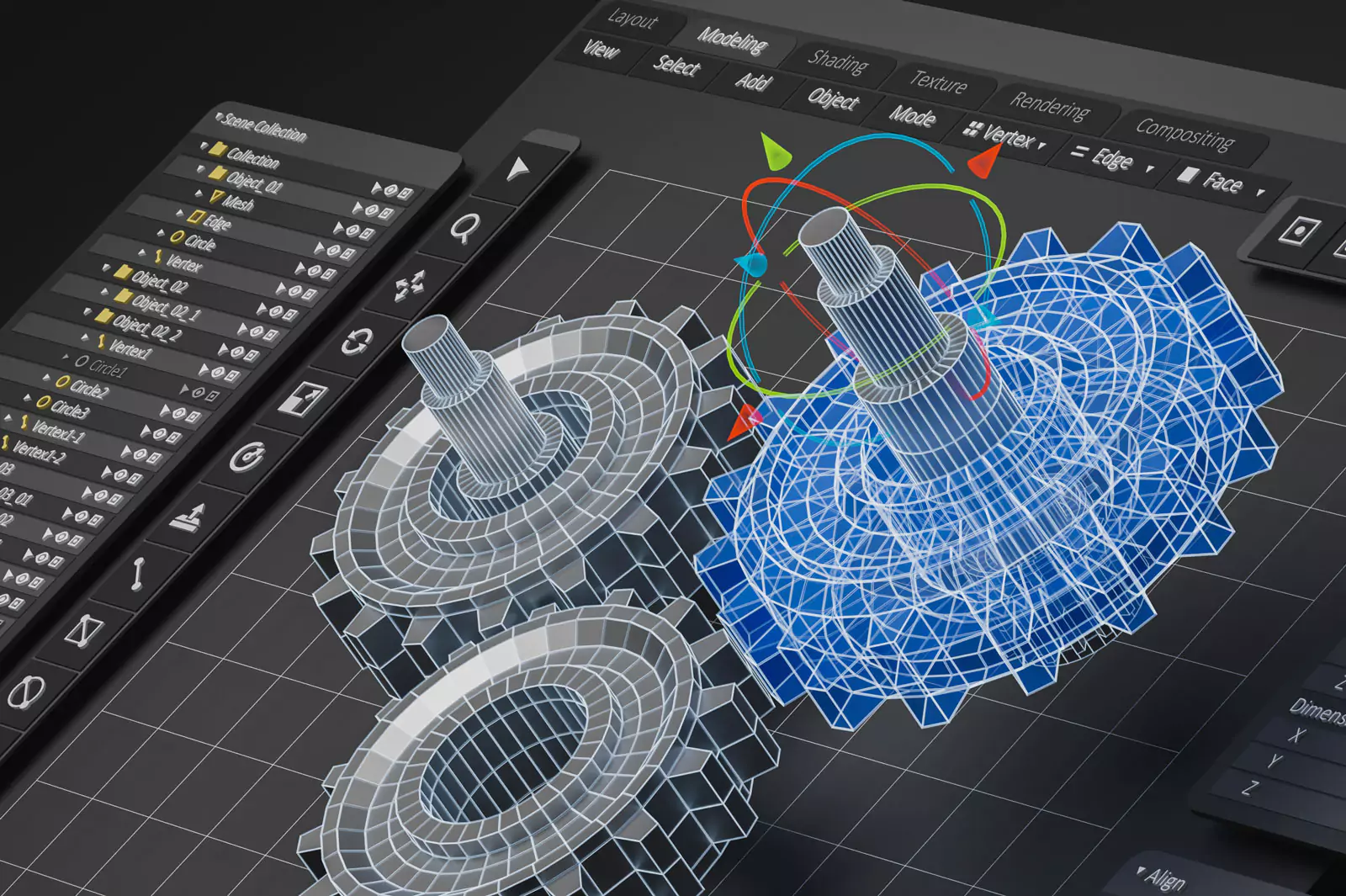
Why 3D Design Skills Are in High Demand
From Hollywood blockbusters to product prototyping, 3D design has become essential across countless industries. Online courses provide flexible, affordable training for both beginners and experienced professionals, enabling learners to acquire in-demand skills without disrupting their work or personal schedules.
Key Features of Effective Online 3D Design Courses
Comprehensive Curriculum
A high-quality course begins with the fundamentals—vertices, edges, faces—and progresses to industry-standard tools like Blender, Maya, and AutoCAD. It also covers texturing, lighting, and for animation courses, keyframing and rigging.
Interactive Learning Materials
Top courses blend video tutorials, interactive quizzes, and downloadable project files to accommodate different learning styles and reinforce practical skills.
Expert Instructors
Instructors with real-world production experience share current best practices and insider techniques, helping learners stay relevant.
Community Support
Active forums and peer groups encourage collaboration, allowing students to share work, give feedback, and solve problems together.
Top Platforms for Learning 3D Design
| Platform | Course Type | Price Range |
|---|---|---|
| Udemy | Beginner to Advanced | $10 – $200 |
| Coursera | University-Level Certifications | Free – $79/month |
| Skillshare | Creative Classes | $15/month |
| LinkedIn Learning | Professional Development | $29.99/month |
Overcoming Common Challenges
Online learners often face hardware limitations, motivation hurdles, and reduced face-to-face interaction. To succeed, invest in a capable computer, set a regular study schedule, and actively engage in online communities to stay accountable.
Career Paths in 3D Design
Entertainment & Gaming
Animators and modelers create characters, environments, and visual effects for films and video games.
Architecture & Interior Design
Architects and interior designers use 3D modeling to produce realistic walkthroughs of buildings and spaces.
Product Design & Manufacturing
Product designers rely on 3D software for rapid prototyping, while manufacturers use precise models for tooling and production.
Future Trends Shaping 3D Education
Emerging technologies are transforming how 3D design is taught and practiced online:
Augmented Reality (AR) lets learners place 3D models in real-world environments for instant feedback.
Artificial Intelligence (AI) automates repetitive tasks like UV mapping and retopology, freeing time for creativity.
Virtual Reality (VR) provides immersive studios where students collaborate in shared virtual space.
Blockchain enables secure, verifiable digital certificates that employers trust.
Frequently Asked Questions
What equipment do I need?
A PC or Mac with a multi-core processor and a dedicated GPU is recommended. Software varies; Blender is free, while Maya and AutoCAD require subscriptions.
How long does it take?
Short courses last a few weeks; comprehensive certifications may take six months or more depending on time commitment.
Are there prerequisites?
Beginner courses require no prior knowledge. Advanced classes often assume familiarity with basic modeling concepts.
Can I earn certifications?
Yes, many platforms offer completion certificates that strengthen resumes in animation, game development, architecture, and product design.