Atrial Fibrillation Guide: Symptoms, Triggers, Prevention & Treatment
AFib symptoms, triggers (alcohol, caffeine), prevention tips, and treatments: medication, cardioversion, ablation.
What Is Atrial Fibrillation?
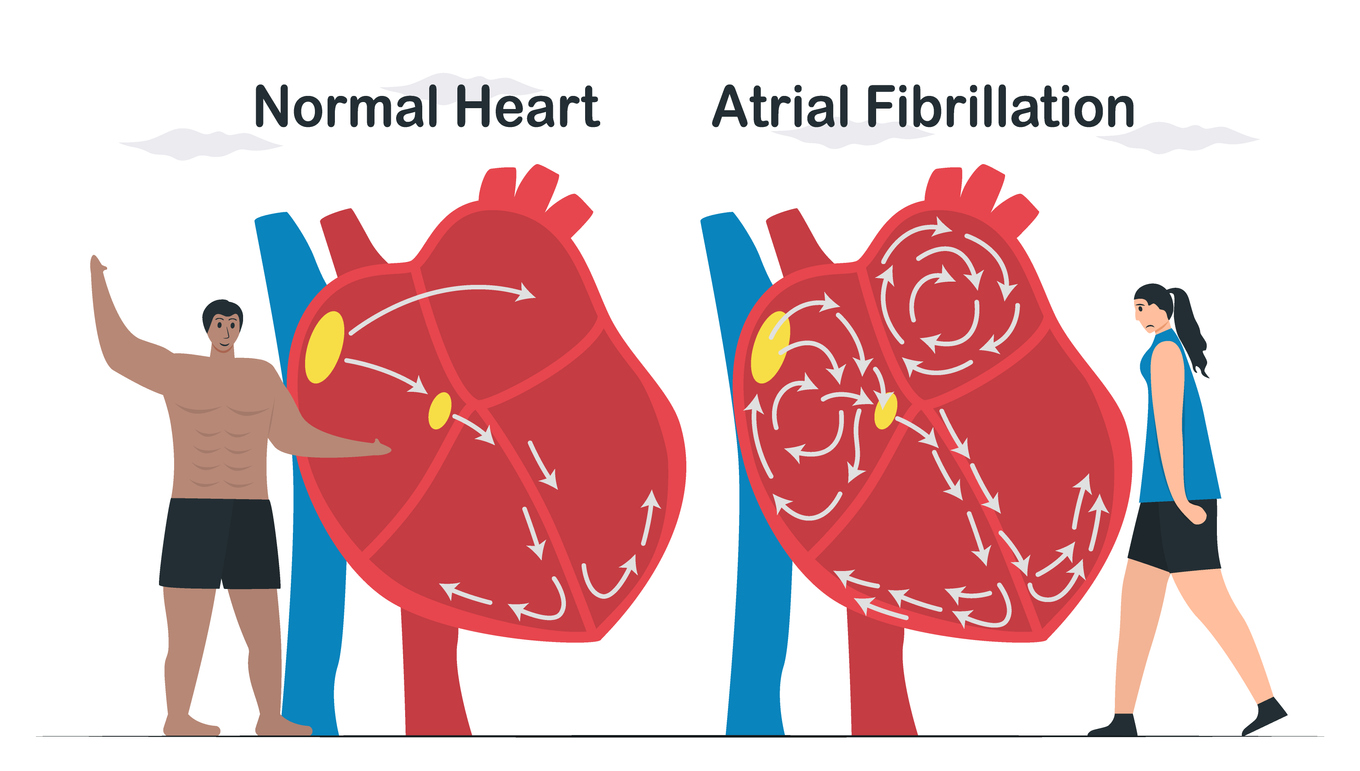
Atrial fibrillation (AFib) is a common arrhythmia where the heart's upper chambers (atria) beat chaotically, reducing blood flow and increasing stroke risk. Episodes may be intermittent, persistent, or permanent, with symptoms ranging from mild palpitations to severe shortness of breath.
Recognizing AFib Symptoms
During an episode, the atria can race at 300–600 beats per minute while the ventricles beat irregularly. Common symptoms include:
Palpitations: Fluttering or pounding sensation in the chest.
Shortness of breath: Especially during activity like climbing stairs.
Fatigue, dizziness, chest discomfort: Some experience lightheadedness or pain.
Common Triggers of Atrial Fibrillation
Avoiding triggers can reduce episodes. Two well-studied triggers are:
Alcohol Consumption
Excessive alcohol irritates the heart's electrical system. The American Heart Association notes that moderate consumption (more than 14 drinks/week for men, 7 for women) increases AFib risk. Alcohol raises blood pressure, disrupts electrolytes, and promotes inflammation.
Caffeine
Moderate caffeine is generally safe, but it can trigger AFib in sensitive individuals by blocking adenosine and releasing adrenaline. Tolerance varies.
Preventing AFib Episodes
Prevention focuses on managing triggers and underlying conditions:
Lifestyle changes: Limit alcohol and caffeine, practice stress reduction, maintain healthy weight, eat a balanced diet (fruits, vegetables, whole grains, lean proteins). Avoid processed foods and excess salt.
Treat underlying conditions: Manage sleep apnea, high blood pressure, and diabetes with medications, diet, and regular check-ups.
Treatment Options for AFib
Several treatments exist, from medications to procedures. The choice depends on the type, duration, and patient health.
| Treatment | How It Works | Pros | Cons |
|---|---|---|---|
| Medication (Antiarrhythmics) | Alters electrical signals to restore rhythm. | Convenient, non-invasive, effective short-term. | Side effects, drug interactions, recurrence possible. |
| Cardioversion (Electrical/Chemical) | Shock or drugs to convert rhythm. | Rapid restoration of normal rhythm. | Sedation risks, rare burns, side effects. |
| Catheter Ablation | Destroys abnormal tissue via catheter. | Long-term solution for many, minimally invasive. | Risks of bleeding, infection, recurrence, may need repeat. |
Frequently Asked Questions
Can AFib be cured completely?
Yes, in some cases (e.g., early ablation), AFib can be eliminated. But for many it is chronic. Recurrence is possible even after successful treatment.
Are natural remedies effective?
No natural remedy replaces medical treatment, but lifestyle changes (diet, exercise, stress management) help. Supplements like omega-3s may support heart health but use only under doctor supervision.