Registered Nurse Career Guide: Education, Specializations & Essential Traits
Discover RN education pathways, career specializations, and key personality traits. Start your nursing journey with this comprehensive guide.
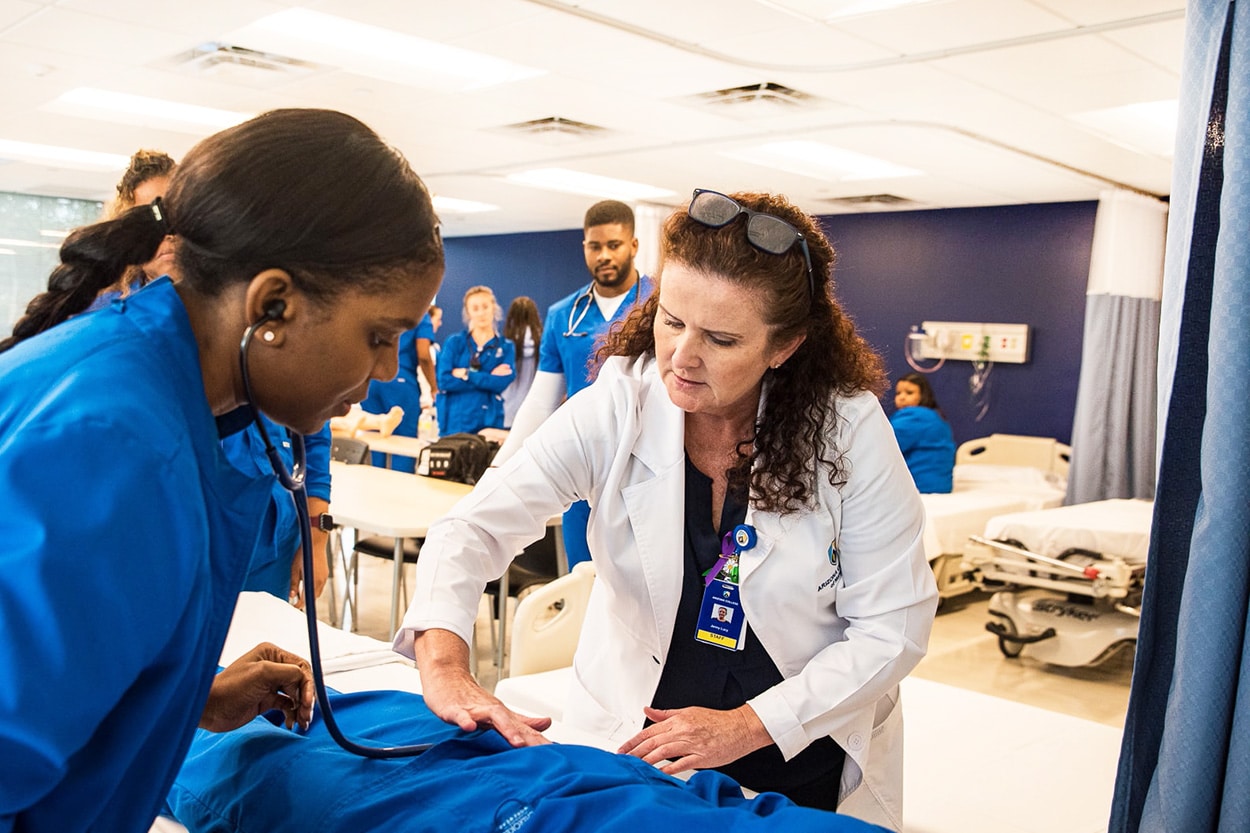
What Does a Registered Nurse Do?
Registered nurses (RNs) are licensed healthcare professionals who manage patient care, administer medications, conduct health assessments, and provide education and emotional support. They work across hospitals, clinics, and community settings, serving as the primary point of contact for patients. Understanding the RN role is the first step toward a rewarding nursing career.
Educational Pathways to RN Licensure
Aspiring RNs can choose from several education routes, each varying in duration, cost, and career opportunities. The table below compares the most common options.
| Aspect | BSN | Diploma/Associate | Accelerated |
|---|---|---|---|
| Duration | 3–4 years | 2–3 years | 1–2 years |
| Cost | Higher | Generally lower | Varies, often moderate |
| Career Opportunities | Broader, including advanced roles | Entry-level positions | Rapid entry to workforce |
| Flexibility | Traditional academic calendar | Some flexibility | Intensive, fast-paced |
Source: UK Nursing Education Survey 2023 (data adapted for US context).
Bachelor of Science in Nursing (BSN)
The traditional BSN program takes three to four years and covers essential nursing skills, clinical practice, and theory. It opens doors to advanced roles and leadership positions.
Diploma and Associate Degree Programs
These shorter (two to three years) and more affordable alternatives provide entry-level training. Graduates can begin working quickly and often later pursue a BSN through bridge programs.
Accelerated Programs
Designed for individuals with a prior bachelor’s degree, accelerated BSN programs can be completed in one to two years of intensive study.
Career Opportunities and Specializations
RNs can choose from diverse specializations, each offering unique challenges and rewards:
Hospital Nurse – works in emergency, surgery, pediatrics, and other departments.
Community Health Nurse – promotes public health and disease prevention.
Mental Health Nurse – specializes in caring for patients with mental health disorders.
School Nurse – provides healthcare in educational settings.
Research Nurse – participates in clinical trials and medical research.
These roles allow RNs to align their career with personal interests and growth goals.
Essential Personality Traits for Nursing Success
Beyond technical skills, successful RNs exhibit compassion, patience, resilience, and strong communication. These qualities help them manage stress, collaborate with teams, and provide empathetic care. Aspiring nurses should feel prepared for emotional demands, long hours, and continuous learning—but also for the deep satisfaction of making a difference.
Frequently Asked Questions
How can I become a Registered Nurse in the US?
Complete an accredited nursing program (BSN, diploma, or associate degree) and pass the NCLEX-RN licensing exam. Each state’s board of nursing also requires background checks and application.
What is an RN responsible for?
Managing patient care, administering medications, performing health assessments, educating patients and families, and collaborating with the healthcare team.
What personality traits are important for a nurse?
Compassion, patience, resilience, and strong communication skills are essential for providing effective, empathetic care.
Are there nursing programs that don’t require a BSN?
Yes. Diploma and associate degree programs offer pathways to RN licensure without a BSN. Graduates can start working and later upgrade to a BSN.
What career opportunities exist for RNs?
Options include hospital nursing, community health, mental health, school nursing, research, and many more. Specialization allows for professional growth and tailored career paths.
Registered Nursing is a fulfilling career choice with flexible education options and diverse opportunities. Whether you choose a BSN or an alternative route, you can make a significant impact on patients’ lives and the healthcare system.