Pharmaceutical Packaging Guide: Types, Materials, Safety & Innovations
Discover the types, materials, and importance of pharmaceutical packaging. Learn about primary, secondary, tertiary, and specialized solutions for drug safety.
The Role of Packaging in Drug Safety
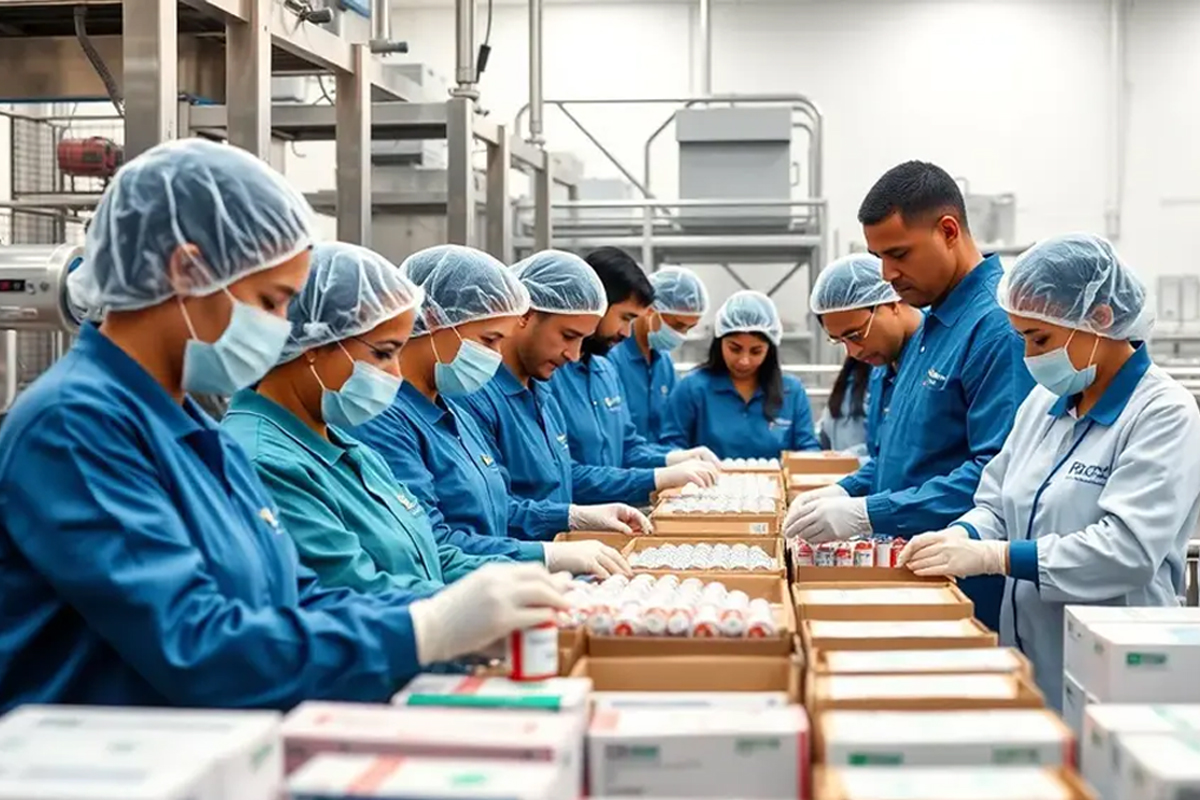
Pharmaceutical packaging is essential for protecting medicines from contamination, physical damage, and environmental factors. It directly impacts product integrity, patient safety, and regulatory compliance. Packaging is organized into three levels: primary (direct contact with the drug), secondary (outer cartons and labels), and tertiary (bulk transport containers).
Key Materials Used in Pharmaceutical Packaging
Glass
Glass is inert and provides an excellent barrier against moisture and oxygen. It allows visual inspection, making it ideal for injectables and liquid medications. However, glass is heavy and brittle.
Plastic
Plastics like HDPE are lightweight and cost-effective, commonly used for bottles and blister packs. Their barrier properties vary; some plastics are less effective against oxygen compared to glass or metal.
Metal
Aluminum tubes and foils offer superior protection against light, moisture, and oxygen. They are corrosion-resistant and durable, though more expensive than certain plastics.
| Material | Moisture Barrier | Oxygen Barrier | Transparency | Durability | Cost |
|---|---|---|---|---|---|
| Glass | Excellent | Excellent | High | High (brittle) | Moderate-High |
| HDPE Plastic | Good | Moderate | Low | High | Low |
| Aluminum | Excellent | Excellent | No | High | Moderate |
Why Proper Packaging Matters
Product Protection
Many drugs are sensitive to light, moisture, and oxygen. Proper packaging blocks these elements, preserving efficacy and extending shelf life. For example, glass vials protect injectables, while blister packs shield tablets from humidity.
Patient Safety
Child-resistant caps, clear labeling, and tamper-evident features reduce accidental ingestion and ensure correct usage. Accurate dosage instructions and warning labels are vital for safe administration.
Regulatory Compliance
Global regulatory bodies impose strict guidelines on packaging materials, label content, and safety features. Compliance is mandatory to avoid penalties and maintain market access.
Three Levels of Pharmaceutical Packaging
Primary Packaging
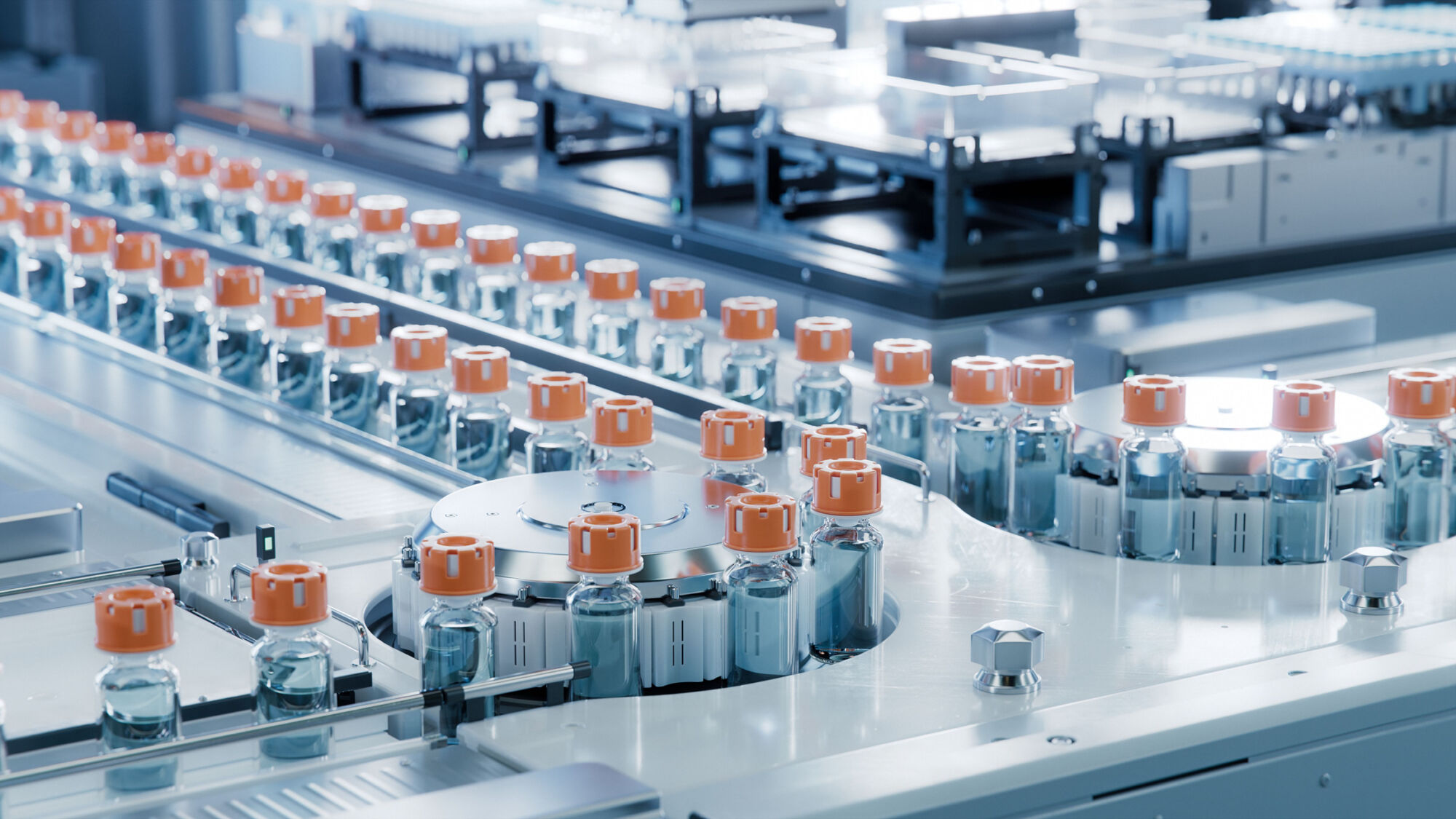
Direct contact materials such as glass vials, blister packs, and tubes. They must be inert and protect the drug from contamination.
Secondary Packaging
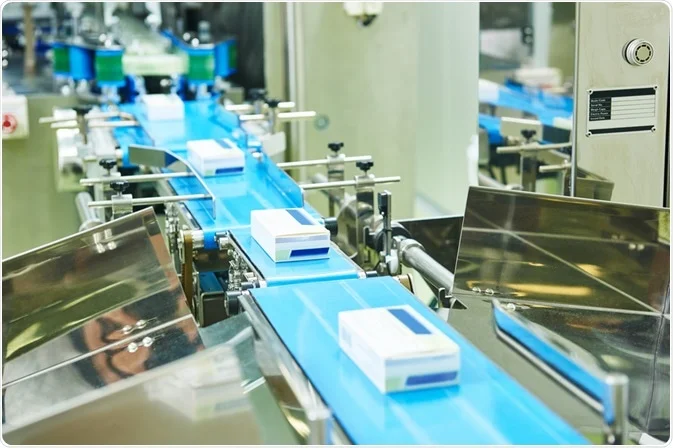
Cartons and boxes provide extra protection and carry labeling information including drug name, dosage, expiry date, and instructions.
Tertiary Packaging
Pallets, shrink-wrap, and corrugated boxes for bulk transport and storage, ensuring stability and protection during logistics.
Specialized Packaging Solutions
Cold Chain Packaging
For temperature-sensitive biologics and vaccines, insulated containers and refrigerated vehicles maintain stable temperatures. Proper cold chain management is crucial for product stability and patient safety.
RFID-Enabled Packaging
Radio-frequency identification tags enable real-time tracking of drugs through the supply chain, reducing counterfeiting and improving inventory management. Challenges include cost and system interoperability.
Pharmaceutical Packaging Printing
Specialized printing companies handle labeling, branding, and regulatory compliance. They ensure clear, accurate printing that meets font size and color-coding requirements.
Contract Packaging Services
Outsourcing to contract packaging companies offers cost savings and expertise. Selection should be based on reputation, regulatory knowledge, and quality control.
Frequently Asked Questions
Q1: Why is child-resistant packaging important? It prevents accidental ingestion by children, reducing the risk of poisoning or overdose.
Q2: Can packaging affect shelf life? Yes. Proper barriers extend shelf life by preventing degradation from light, moisture, and oxygen.
Q3: How do regulators ensure packaging safety? They set material standards, require stability testing, and conduct facility inspections to verify compliance.