Pharmaceutical Packaging in the UK: Importance, Types, Innovations & Future Trends
Pharmaceutical packaging in the UK: MHRA regulations, types, innovations (RFID, cold chain), sustainability trends.
Introduction
Pharmaceutical packaging is fundamental to drug safety, efficacy, and compliance. In the UK, the Medicines and Healthcare products Regulatory Agency (MHRA) enforces rigorous standards for labeling, tamper-evidence, and traceability. This article covers the types, innovations, challenges, and future trends shaping the industry, along with a look at key players and common questions.
Regulatory Framework in the UK
The MHRA mandates strict protocols to ensure packaging integrity. These include child-resistant features, clear dosage instructions, and serialization for supply chain transparency. Adherence to these regulations is critical for patient safety and market access.
Types of Pharmaceutical Packaging
Primary Packaging
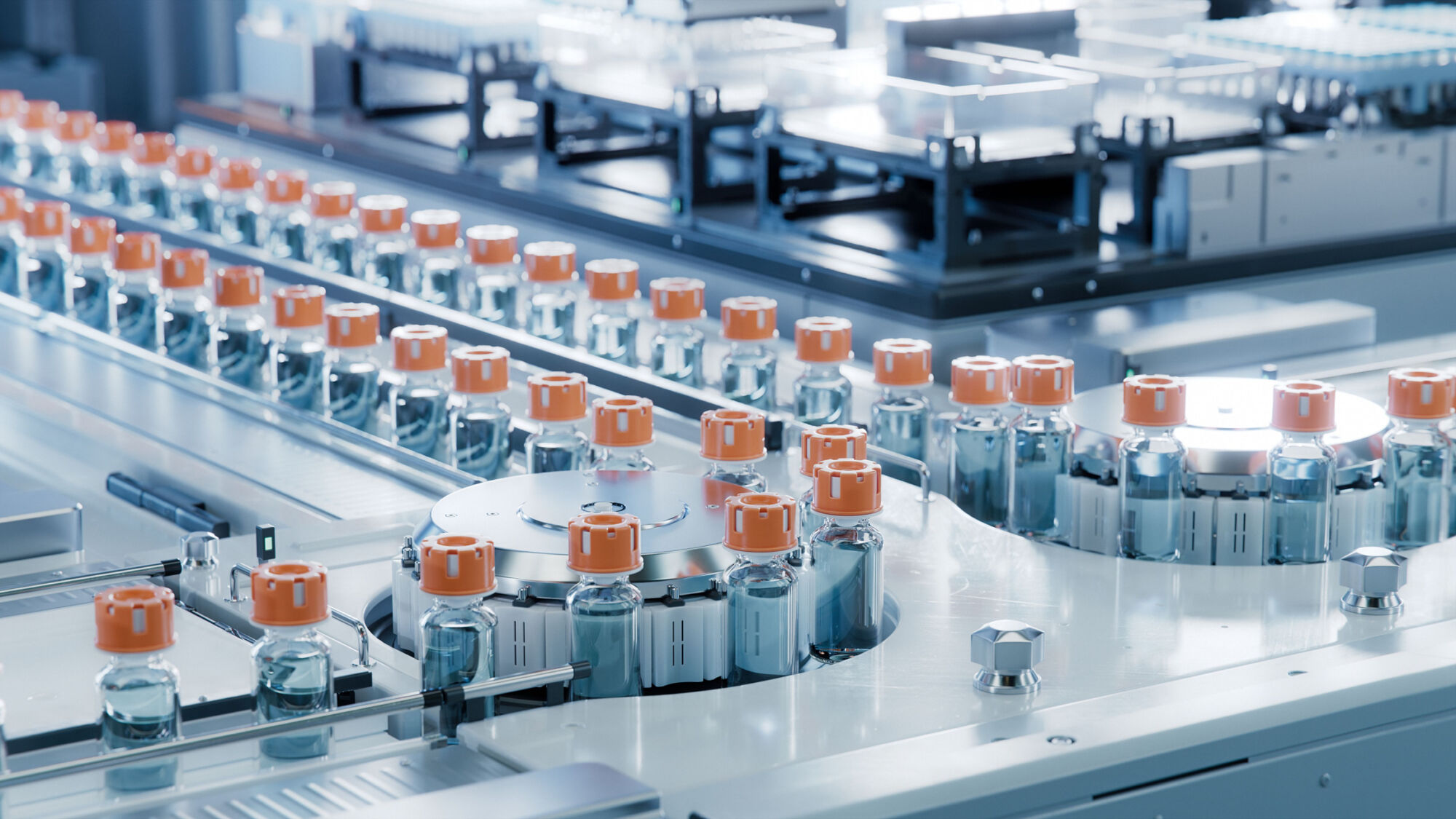
This layer is in direct contact with the drug product. Examples include blister packs, bottles, vials, and syringes. It maintains chemical stability and prevents contamination.
Secondary Packaging
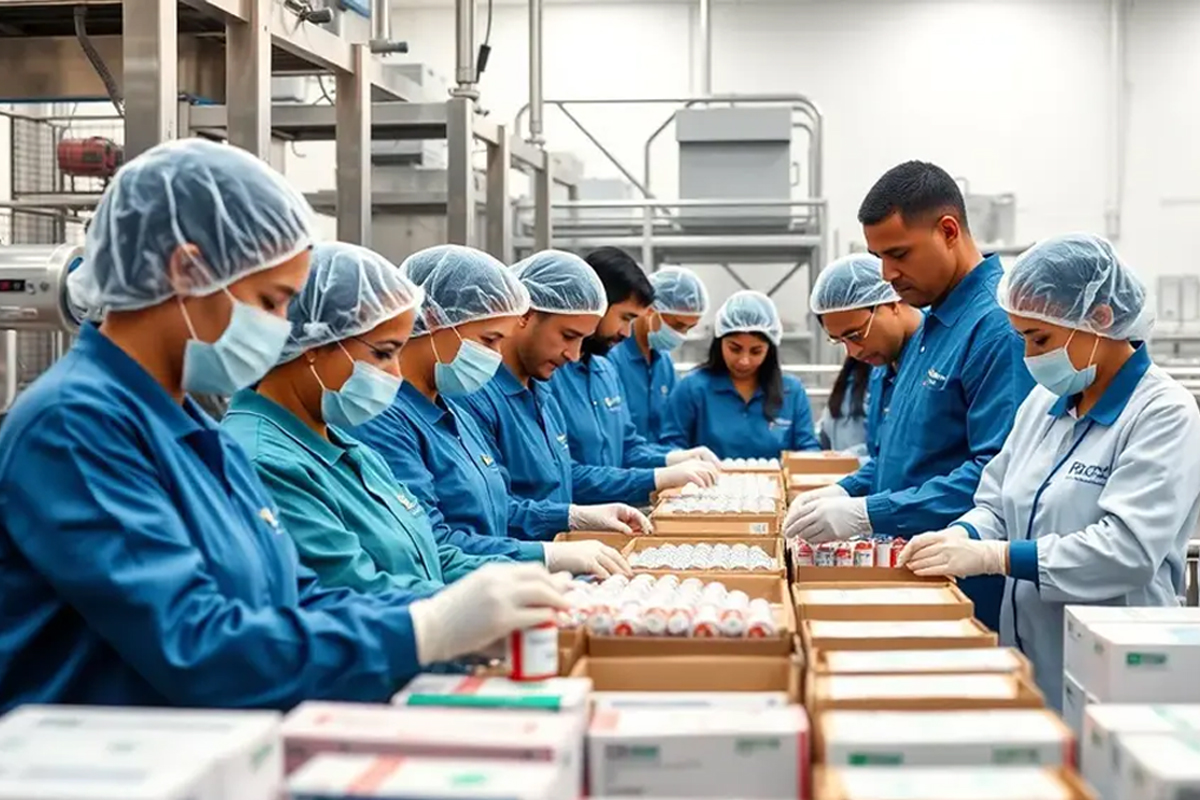
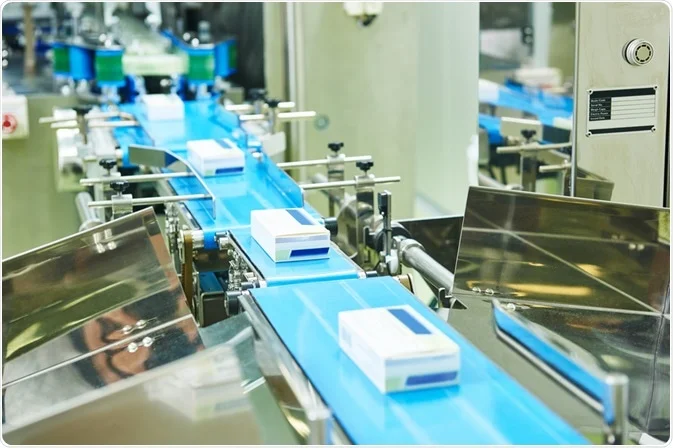
Secondary packaging groups primary units together. Cartons and boxes carry essential labeling, branding, and additional protection during transport and retail display.
Tertiary Packaging
Used for bulk handling and shipping, tertiary packaging includes pallets, crates, and containers that facilitate safe movement of large quantities between facilities.
Key Innovations in Pharmaceutical Packaging
RFID and Smart Tracking
Radio Frequency Identification (RFID) tags enable real-time tracking of products through the supply chain, reducing counterfeiting and improving inventory management.
Cold Chain Packaging
Temperature-sensitive biologics, vaccines, and insulin require advanced insulation and monitoring. Cold chain solutions maintain the required climate from manufacture to patient administration.
Sustainable Packaging
Recyclable materials, reduced waste, and biodegradable options are gaining traction as the industry aims to lower its environmental footprint.
Digital Printing
High-resolution digital printing ensures legible, compliant labeling and allows for flexible, cost-effective production.
Challenges Facing the Sector
Counterfeit Prevention
Holograms, QR codes, and RFID tags are employed to verify product authenticity and comply with MHRA anti-counterfeiting measures.
Balancing Cost and Quality
Companies must invest in high-quality materials and technologies while managing economic constraints to meet regulatory demands and ensure patient safety.
Regulatory Adaptation
Ongoing updates to MHRA guidelines require agile processes and constant vigilance to maintain compliance.
Future Trends
Personalised Smart Packaging
Customised packaging with digital adherence tracking and patient-specific information is an emerging trend.
Biodegradable Materials
As sustainability becomes a priority, biodegradable materials that do not compromise product protection are expected to increase in use.
Internet of Things (IoT) Integration
IoT sensors will enable real-time monitoring of environmental conditions, enhancing supply chain visibility and efficiency.
Competing Companies in the Pharmaceutical Packaging Market
| Company Type | Key Features |
|---|---|
| Printing Companies | High-resolution labeling, compliance with standards |
| Contract Packaging Companies | Outsourced services, efficiency, regulatory adherence |
| Medicine Packaging Companies | Innovative solutions, materials expertise |
| Local Packaging Services | Accessibility, tailored solutions, quick response |
Data Source: Industry Analysis and Reports
Frequently Asked Questions
Q: What is RFID technology used for in pharmaceutical packaging?
A: RFID tags track inventory in real time, reducing counterfeiting and improving supply chain efficiency.
Q: Why is cold chain packaging important?
A: It maintains the required temperature for sensitive drugs like vaccines, preserving their efficacy from production to use.
Q: Can pharmaceutical packaging be environmentally friendly?
A: Yes, through recyclable and biodegradable materials that minimise waste without sacrificing protection.
Q: What are the benefits of contract packaging services?
A: They provide expertise, efficiency, and regulatory compliance, allowing companies to focus on core operations.
Q: How do holograms and QR codes prevent counterfeiting?
A: They provide unique identifiers that verify authenticity and make replication difficult.