Essential Travel Insurance Guide: Compare Policies, Coverage & Tips
Learn how travel insurance covers cancellations, medical emergencies, and lost luggage. Compare policies and choose the best protection for your trip.

Why Travel Insurance Is a Smart Investment
Travel insurance protects your finances when the unexpected derails your plans—whether it's a last-minute flight cancellation, stolen luggage, or a medical emergency overseas. Without it, a single mishap can turn a dream vacation into a financial nightmare. The right policy covers non-refundable bookings, emergency medical treatment, and even evacuation costs, giving you peace of mind from departure to return.
Main Types of Travel Insurance
Policies vary widely. Understanding the major categories helps you choose what fits your trip.
Trip Cancellation Insurance
Reimburses prepaid, non-refundable expenses if you need to cancel for a covered reason such as illness, natural disaster, or a family emergency. This protects your investment in flights, hotels, and tours.
Medical Insurance
Covers emergency doctor visits, hospital stays, and medical care abroad. Essential for international travel, where your domestic health plan may not provide coverage.
Evacuation Insurance
Covers emergency transportation to a suitable medical facility or back home. Crucial for trips to remote regions or countries with limited healthcare infrastructure.
Baggage Insurance
Reimburses you for lost, damaged, or delayed luggage. Also covers the cost of essential items when bags are delayed for an extended period.
Accidental Death Insurance
Provides a payout to your beneficiaries if you die in an accident during the trip. While sobering, it ensures your loved ones are financially supported.
Key Policy Components to Evaluate
When comparing plans, pay attention to these elements:
Coverage Limits & Exclusions: Each policy lists what is covered and what is not. High-risk activities like scuba diving often require a separate rider.
Deductibles: The amount you pay out-of-pocket before the insurer pays. Higher deductibles lower your premium but increase your upfront expense.
Premium Costs: Prices vary based on your age, destination, trip length, and chosen coverage. The cheapest plan may lack crucial benefits.
Policy Duration: Single-trip policies cover one journey; annual multi-trip plans suit frequent travelers and often offer better value.
How to Select the Right Policy
Start by assessing your needs: destination, trip length, planned activities, and any pre-existing medical conditions. Use comparison websites, read customer reviews, and consult an insurance expert if needed. Prioritize providers with a reputation for fast claim processing and responsive customer support.
Special Considerations for Seniors
Older travelers may face age restrictions, higher premiums, or exclusions for pre-existing conditions. Look for policies specifically designed for seniors that include robust medical coverage and evacuation benefits. Some insurers offer a pre-existing condition waiver if you buy the policy shortly after booking.
When to Purchase Travel Insurance
Buy insurance as soon as you make your first trip payment—ideally within 10 to 14 days. This maximizes your cancellation coverage and may qualify you for pre-existing condition waivers. Delaying could mean losing coverage for events that occur before you purchase.
Common Exclusions You Should Know
Pre-existing Medical Conditions: Not covered unless you obtain a waiver.
High-risk Activities: Skiing, skydiving, and scuba diving are often excluded or require an extra rider.
Acts of Terrorism: Coverage varies; check your policy carefully.
Pandemic-related Events: COVID-19 coverage differs by insurer. Confirm the details before buying.
How to File a Claim Successfully
Document Everything: Keep receipts, police reports, medical records, and any correspondence with travel providers.
Report to Your Insurer Immediately: Most policies require prompt notification, often within a set number of days from the incident.
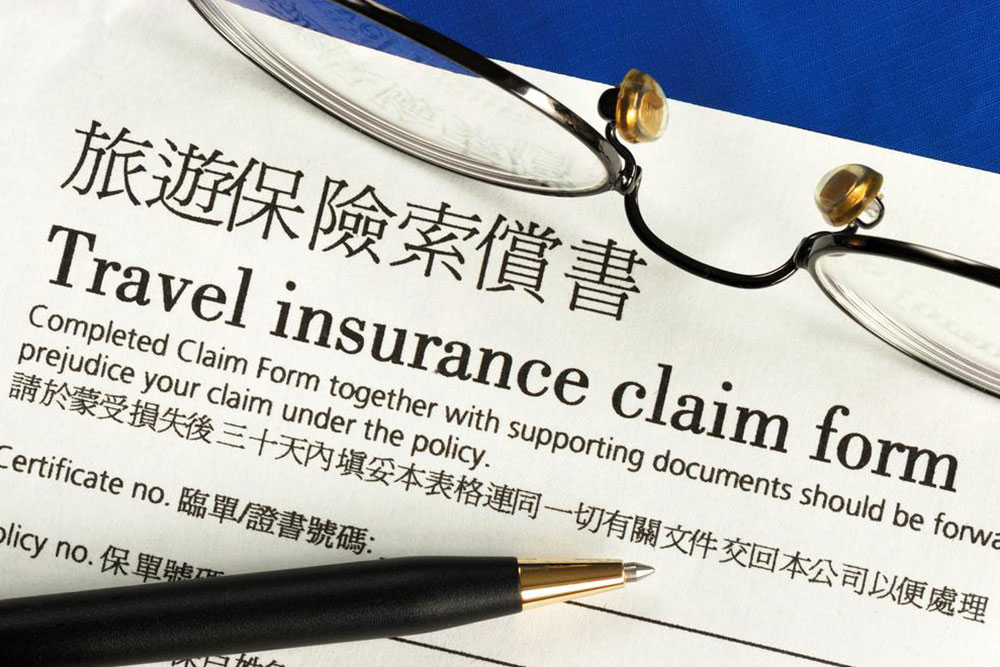
Submit the Required Forms: Complete the claim forms accurately and include all requested documentation. Incomplete submissions delay processing.
Follow Up if Denied: Review the denial letter, gather additional supporting evidence, and file an appeal. Persistence often leads to a successful outcome.
Frequently Asked Questions
Do I need travel insurance for a short trip?
Yes. Even a weekend getaway can involve cancellations, lost luggage, or a minor medical issue. The cost of insurance is usually far less than the potential out-of-pocket loss.
Will insurance cover me if I get sick before the trip?
Trip cancellation coverage typically includes illness that prevents travel, unless it is excluded (e.g., a pre-existing condition without a waiver). Check the policy details.
Can I extend my coverage mid-trip?
Some insurers allow extensions, but you must contact them before the original policy expires. Terms and conditions vary.
How is travel insurance different from regular health insurance?
Travel insurance is designed for trip-specific emergencies such as cancellations, delays, lost luggage, and limited medical care. Health insurance covers ongoing medical needs and may not be accepted abroad.
What if my claim is denied?
Read the denial letter carefully. You can appeal by providing additional documentation or clarifying misinterpretations. Many claim denials are overturned with persistence.