GRC Software: Centralized Data, Continuous Monitoring, and Extended Enterprise Governance
Modern GRC software centralizes risk data, provides continuous monitoring, and extends governance to supply chains and shadow IT for proactive compliance.
Introduction: Why Integrated Risk Management Matters Now
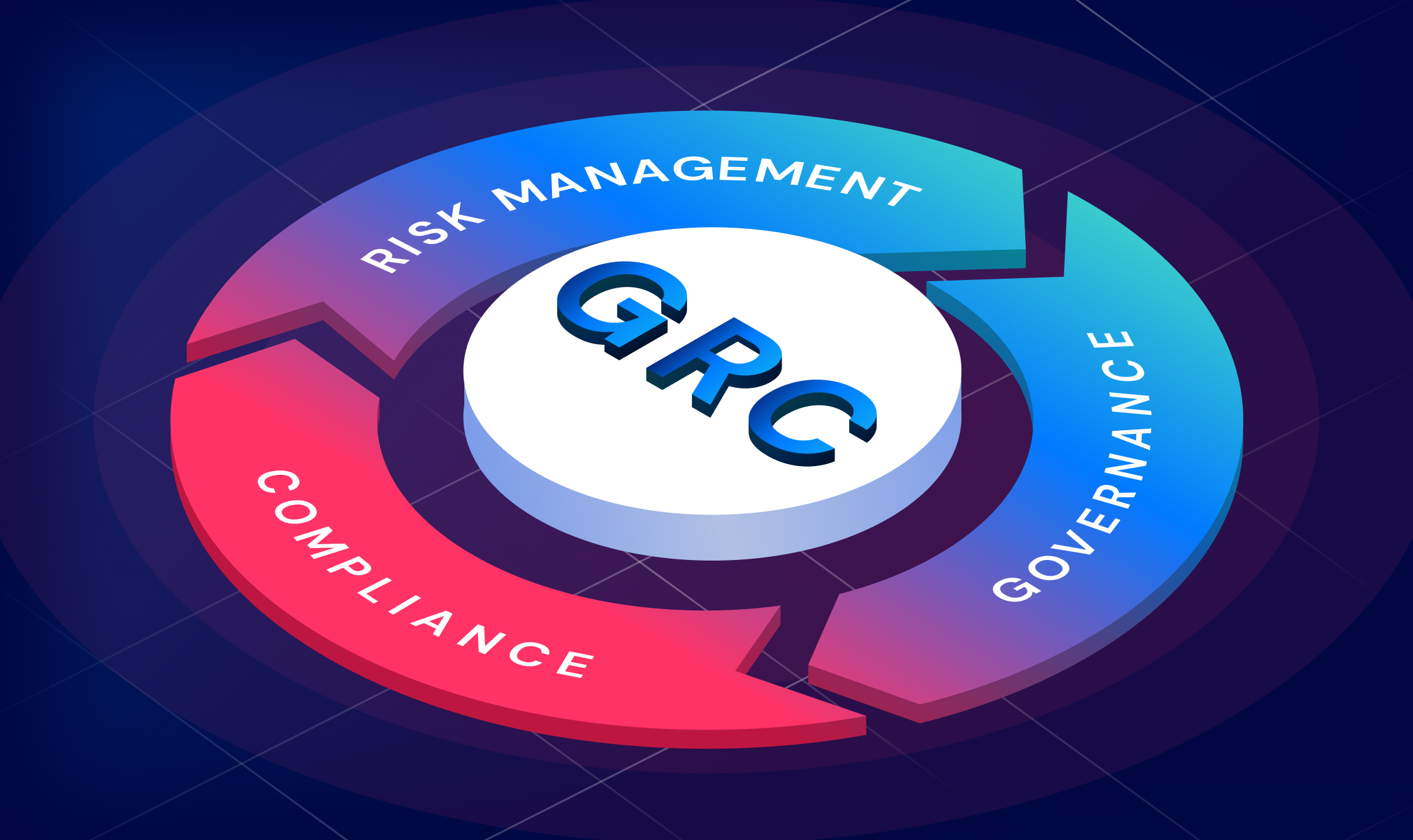
Modern enterprises face a rapidly expanding attack surface as data spreads across financial systems, supply chain tools, IT services, and HR portals. Relying on periodic audits or spreadsheets for risk management is no longer sufficient. Governance, Risk, and Compliance (GRC) platforms have evolved into centralized hubs that orchestrate security across the entire digital ecosystem, enabling a shift from reactive firefighting to strategic prevention.
The Central Hub: Breaking Down Data Silos
Modern GRC tools act as a single source of truth. They integrate with disparate systems through APIs, ingesting and normalizing data in real time. This eliminates manual spreadsheet updates and human error. For example, when a new vendor enters the supply chain, the platform automatically triggers due diligence workflows. By unifying fragmented data, organizations gain actionable intelligence.
Real-Time Visibility and Proactive Monitoring
Traditional risk management captured static snapshots during quarterly audits. Modern platforms run constant background monitoring, detecting misconfigurations, vulnerabilities, and licensing violations in open-source components. These data streams feed intuitive dashboards for both executives and operational teams, highlighting compliance pressure points and remediation priorities. Predictive analytics help teams focus on the highest-impact issues, moving security from reactive to proactive.
Governing the Extended Enterprise
Supply Chain and Software Asset Visibility
Enterprise infrastructures now rely on open-source software, third-party APIs, and cloud services—introducing risks outside direct control. A Software Bill of Materials (SBOM) is essential for security integrity. GRC platforms instantly map a discovered vulnerability to every affected application and initiate remediation workflows. By treating supply chain risks as living information, organizations reduce friction in vendor assessments and build resilience.
Taming Shadow IT
Employee adoption of unauthorized tools creates governance gaps, especially in regulated sectors. Rather than blanket bans, modern GRC strategies use monitoring to detect unapproved applications and bring them under policy control. By modeling risk and classifying tools, organizations balance innovation with security, ensuring productivity boosts do not compromise compliance.
Strategic Alignment: ESG and Culture
Integrating ESG Data
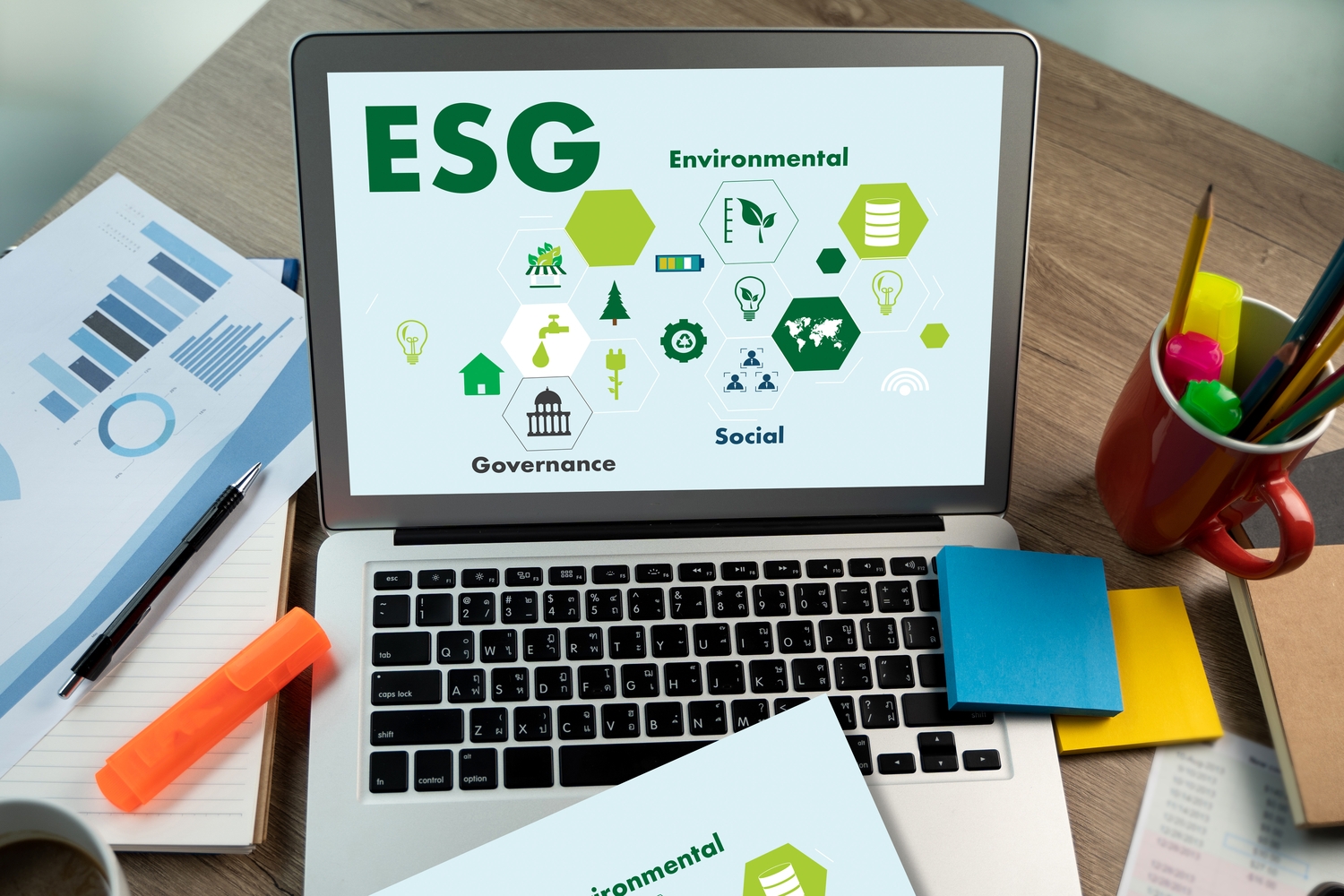
Environmental, Social, and Governance (ESG) criteria are now as critical as financial metrics. Leading GRC platforms integrate ESG data—carbon footprints, supply chain labor practices, diversity metrics—directly into the risk profile. Cloud-based solutions aggregate this information in real time, supporting compliance with emerging regulations. Presenting ESG alongside operational risks on executive dashboards ensures sustainability is a core strategic component.
Dispelling Myths About Governance Software
A common misconception is that governance software slows business with red tape. In reality, a lack of unified platform causes greater delays—digging through emails, chasing approvals, hunting for policy documents. When risk and compliance data are organized, clear guardrails emerge that allow teams to accelerate safely. Automated workflows clarify which risks are acceptable and which need escalation, freeing teams from administrative churn.
Frequently Asked Questions
What is Compliance Management Software and why is it important?
Compliance Management Software helps organizations adhere to legal standards and internal policies. It mitigates fines, legal actions, and reputation damage by automating tracking, management, and reporting of compliance activities.
How do Regulatory Compliance Platforms differ from traditional methods?
Regulatory Compliance Platforms provide centralized, automated solutions with real-time regulatory updates, streamlined workflows, and cross-department collaboration, improving accuracy and reducing time compared to manual processes.
What are key features of GRC Software?
GRC Software typically includes risk assessment tools, policy management, incident reporting, compliance tracking, and audit management, integrating governance, risk, and compliance into a single framework for better oversight.
Why is Enterprise Compliance Tracking essential for large organizations?
Enterprise Compliance Tracking enables efficient monitoring across departments and locations, minimizing violation risks and providing a comprehensive view of compliance posture for proactive management.
What are benefits of integrating Compliance Management Software with other enterprise systems?
Integration with ERP or CRM systems gives a holistic view of operations and compliance, enhances data accuracy, improves communication, and embeds compliance into daily workflows, leading to more efficient management.