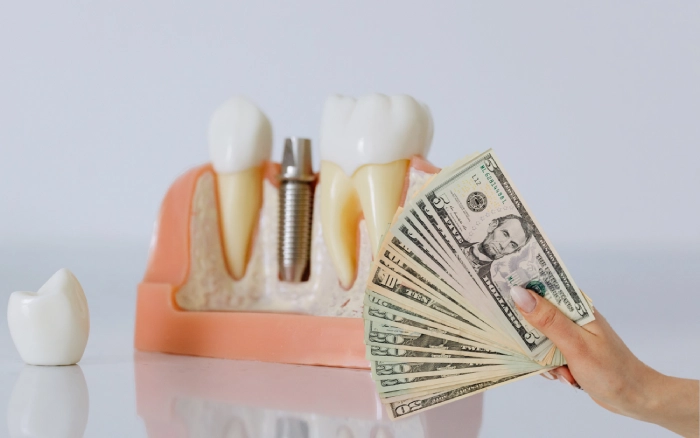
Full Mouth Dental Implants: Costs, Benefits, Same-Day Options & How to Choose the Right Provider
Explore full mouth dental implants: costs, benefits, same-day options, provider selection tips, and affordable solutions. Expert guide.

What Are Full Mouth Dental Implants?
Full mouth dental implants replace all teeth in one or both arches using surgically placed titanium posts that fuse with the jawbone. Unlike removable dentures, they provide a fixed, permanent solution that looks, feels, and functions like natural teeth. Ideal for patients with extensive decay, advanced gum disease, or trauma, these implants restore chewing power and facial structure.
Key Benefits and Longevity
Dental implants offer unmatched advantages over other tooth-replacement methods:
Durability: With proper care, implants can last a lifetime.
Bone preservation: The implant stimulates bone growth, preventing the deterioration that often follows tooth loss.
Natural appearance: Custom crowns match your existing teeth, boosting confidence.
Full function: Enjoy your favorite foods—restored biting force reaches up to 90% of natural teeth.
Low maintenance: No adhesives or special cleaning; brush and floss as usual.
Cost Breakdown: What Affects the Price?
Full mouth implant costs vary widely depending on number of implants, materials, location, and necessary preparatory procedures. Here are the primary factors:
Number of implants: Full arch typically requires 4–8 implants.
Material choice: Zirconia crowns cost more than porcelain or acrylic.
Geographic location: Prices differ regionally and across countries.
Preparatory work: Bone grafting, extractions, or sinus lifts add to the total.
Average Costs by Country
| Country | Average Cost (USD) |
|---|---|
| United States | $25,000 – $50,000 per arch |
| United Kingdom | £15,000 – £30,000 |
| Australia | AUD 20,000 – AUD 40,000 |
| Canada | CAD 20,000 – CAD 50,000 |
Source: American Academy of Implant Dentistry (www.aaid-implant.org)
How to Choose the Right Provider
Selecting a skilled dentist or oral surgeon is critical for success. Consider these points:
Experience & credentials: Board certification and advanced implant training are essential.
Technology: Look for 3D CBCT imaging, computer-guided surgery, and digital impressions.
Patient reviews: Examine testimonials and before-after galleries.
Thorough consultation: A reputable provider will evaluate bone density, oral health, and medical history before recommending a plan.
Same-Day Implants: Is “Teeth in a Day” Right for You?
Techniques like All-on-4® and All-on-6® allow placement of a full fixed arch on four to six implants in a single appointment. Benefits include immediate function (leave with temporary teeth same day), fewer surgeries, and reduced recovery time. However, not everyone qualifies—adequate bone density, good health, and no uncontrolled conditions (e.g., diabetes or smoking) are required. A comprehensive evaluation determines candidacy.
Affordable Full Mouth Implants: Money-Saving Strategies
High costs shouldn’t prevent you from getting implants. Explore these options:
Dental schools: Supervised students offer discounts.
Insurance: Some plans cover part of the surgery or crown.
Payment plans: Many clinics offer 0% financing or installments.
Membership plans: In-house discount programs reward regular patients.
Dental tourism: Countries like Mexico, India, Thailand, and Hungary provide quality implants at 50–70% less than US prices.
Comparison of Implant Services: US vs. UK vs. Australia vs. Canada
Cost: The US and Canada are generally highest; the UK and Australia are moderately lower.
Insurance: US dental insurance often provides less coverage than public or private plans in the other three countries.
Technology: All four countries use advanced digital workflows, though rural areas may have limited access.
Waiting times: Public healthcare systems in the UK and Australia may lead to longer waits for non-urgent implant procedures.
Regulation: Each country has its own licensing standards; always verify credentials.
Frequently Asked Questions
Are dental implants painful?
The procedure is done under local anesthesia—you won't feel pain during surgery. Post-op discomfort is manageable with OTC pain relievers and usually resolves within a few days.
How long does the entire implant process take?
Traditional placement requires 3–6 months from surgery to final crown, allowing time for osseointegration. Same-day implants provide temporary teeth in one visit.
Can smokers get dental implants?
Smoking increases the risk of failure by impairing healing and blood flow. Most dentists advise quitting before and after surgery to maximize success.
Are dental implants safe for older adults?
Age alone is not a barrier. As long as general health and bone density are adequate, older adults can successfully receive implants.
How should I care for my dental implants?
Brush twice daily, floss around the implant, use antibacterial mouthwash, and visit your dentist every six months for checkups.