How Emotions and Cognitive Biases Shape Your Financial Decisions
Explore how fear, overconfidence, and crowd psychology drive markets. Recognize cognitive biases to improve investment discipline.

The Psychology Behind Financial Choices
Financial markets are not purely rational systems—they are deeply influenced by human emotions and mental shortcuts. Behavioral finance studies how psychological factors like fear, overconfidence, and herd mentality cause investors to act irrationally, leading to market anomalies that traditional models cannot explain. Recognizing these invisible forces is the first step toward making more disciplined decisions.
Cognitive Biases and Heuristics That Mislead Investors
Heuristics are mental shortcuts that simplify complex decisions, but they often introduce systematic errors. The availability heuristic causes investors to overweigh recent dramatic events, such as a market crash, when assessing risk. Confirmation bias leads them to seek information that supports existing beliefs, while loss aversion makes them hold losing positions too long to avoid realizing a loss. Overconfidence bias, common among new investors, results in excessive risk-taking and inadequate diversification. Awareness of these biases helps investors correct their thinking and rely more on data than impulse.
How Stress Hijacks Rational Thought
The brain's amygdala, responsible for fight-or-flight responses, treats financial losses similarly to physical threats. Under stress, the prefrontal cortex—which handles reasoning and long-term planning—becomes impaired. This biological response explains why market volatility often triggers impulsive decisions, such as selling at a loss during a dip. Studies show that significant stock market declines increase stress hormones, undermining logical analysis. By understanding this mechanism, investors can pause and counteract knee-jerk reactions.
Investor Sentiment as a Market Driver
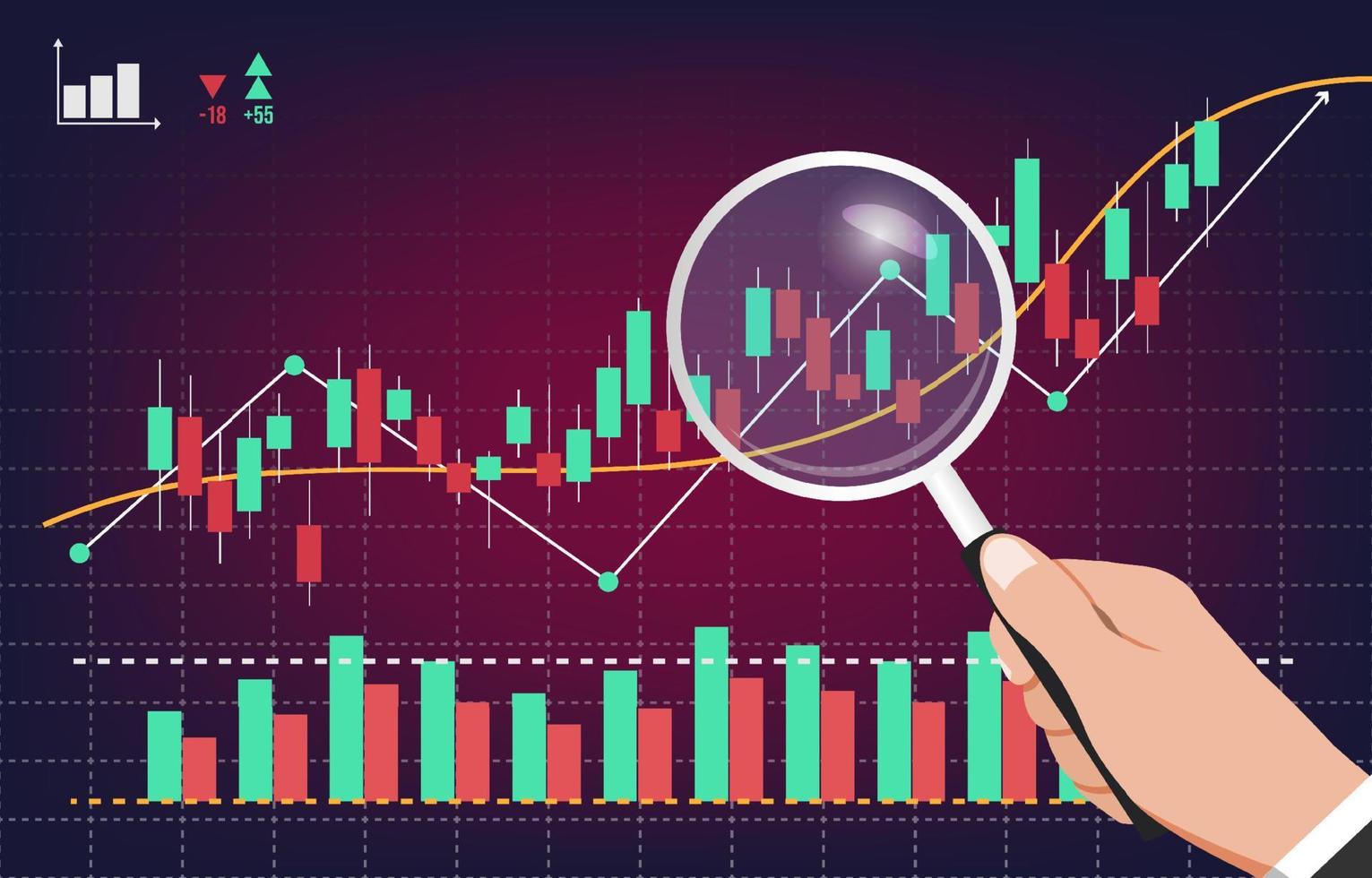
Investor sentiment reflects the collective mood of market participants. During bull runs, optimism inflates asset prices beyond intrinsic values; during downturns, pessimism triggers panic selling. Tools like sentiment analysis scan news articles, social media, and market commentary to quantify this mood. For example, a surge of positive buzz around a tech stock may push its price above fundamental worth, creating both opportunity and risk. Recognizing sentiment helps investors align strategies with the prevailing emotional climate rather than fight it blindly.
From Emotional Narratives to Calculated Risks
New investors often base decisions on compelling stories—a hot startup or a cryptocurrency boom—driven by fear of missing out (FOMO). Over time, experienced investors shift from narrative-driven bets to probabilistic thinking. They evaluate risk and return using statistical models, treat volatility as a normal input, and use diversification to manage uncertainty. This transition from impulsive to disciplined investing is a hallmark of emotional maturity and a key to long-term success.
Emotions in Personal Finance
Daily financial habits are also shaped by emotional states. People who feel financially secure are more likely to save and invest proactively. The concept of financial well-being goes beyond income and net worth to include confidence and emotional health. A positive mindset can act as emotional leverage, helping individuals bounce back from setbacks and find creative solutions during tough times. Integrating emotional awareness into financial planning builds resilience and sustainable wealth.
Key Behavioral Finance Insights
Behavioral finance differs from traditional finance by acknowledging that investors are not always rational. Cognitive biases like confirmation bias and overconfidence cause poor choices. Loss aversion amplifies market swings as fear of loss outweighs rational assessment. Heuristics, while helpful for speed, introduce biases that distort risk perceptions. Understanding these psychological factors allows investors to make more informed decisions and avoid common pitfalls. By combining emotional awareness with statistical reasoning, anyone can improve their financial outcomes.