How Crypto Regulation Drives Transparency and Market Growth
Global crypto regulations boost transparency, protect investors, and fuel growth. Key frameworks, AML rules, and SEC policies explained.
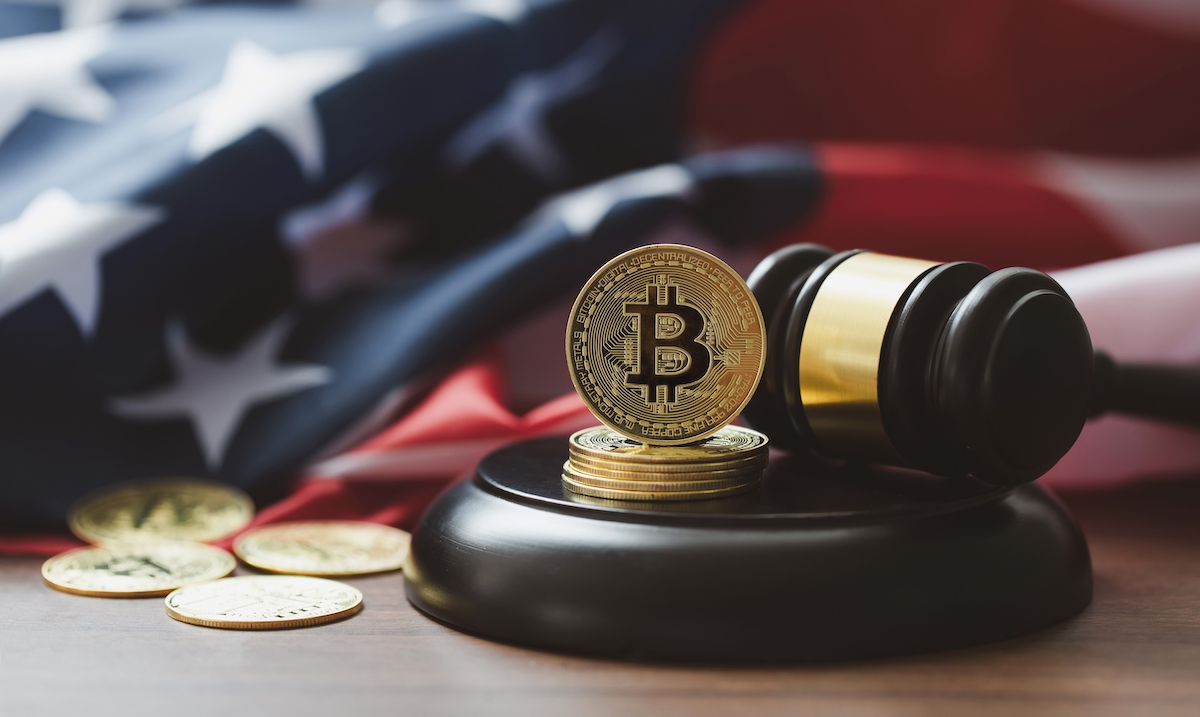
Global Regulatory Frameworks for Digital Assets
Authorities in the United States, United Kingdom, Canada, and Australia have introduced comprehensive regulations to standardize crypto oversight. These frameworks require rigorous reporting, identity verification, and anti-money laundering (AML) compliance, creating a safer environment for investors and institutions.
| Regulation Area | Compliance Rule | Anti-Money Laundering | Blockchain Oversight | SEC Policy | Stablecoin Control | Market Transparency |
|---|---|---|---|---|---|---|
| United States | FinCEN Travel Rule (2023) | BSA/AML Program Requirements | SEC Enforcement Actions (2024) | SEC Crypto Asset Framework (2024) | Draft Stablecoin Legislation (2024) | SEC Disclosure Mandates (2024) |
| United Kingdom | FCA Cryptoasset Registration (2023) | MLR 2017 Amendments (2023) | FCA Blockchain Guidance (2024) | FCA Cryptoasset Handbook (2024) | Draft Stablecoin Regulations (2024) | FCA Transparency Rules (2024) |
| Canada | FINTRAC Crypto Reporting (2023) | PCMLTFA Amendments (2023) | IIROC Blockchain Oversight (2024) | CSA Crypto Regulatory Framework (2024) | Draft Stablecoin Guidance (2024) | CSA Market Transparency Rules (2024) |
| Australia | AUSTRAC Crypto Registration (2023) | AML/CTF Act Amendments (2023) | ASIC Blockchain Guidance (2024) | ASIC Crypto Enforcement (2024) | Draft Stablecoin Policy (2024) | ASIC Market Transparency (2024) |
Operational Resilience in Digital Asset Markets
Regulators are demanding robust risk management from crypto firms. Organizations must implement strong cybersecurity measures, incident response plans, and regular system testing to withstand cyber threats and operational outages. These requirements ensure that user holdings remain secure even during market stress.
Balancing Innovation and Consumer Protection
Striking the right balance between encouraging blockchain innovation and safeguarding consumers is a core regulatory challenge. Authorities are approving new investment vehicles, such as ETFs, while enforcing strict compliance standards. This dual approach attracts institutional capital and reduces market uncertainties, fostering long-term stability.
How Regulation Fuels Growth and Trust
Clear regulatory guidelines act as guardrails, guiding innovation and building trust. By standardizing protocols and reporting requirements, digital finance becomes comparable to traditional systems. The introduction of approved products like crypto ETFs demystifies digital asset investments and broadens market participation.
Bridging Digital and Traditional Finance
Mainstream financial products that integrate digital assets, including ETFs, provide regulated exposure to cryptocurrencies. These instruments help bridge the gap between conventional and digital finance, making it easier for individual and institutional investors to engage with the asset class.
Strengthening Market Stability
Enhanced compliance protocols and cross-sector collaborations are strengthening market stability. Institutional acceptance of regulated digital assets increases legitimacy and consumer trust. Developers and investors can operate with confidence, knowing that the ecosystem is built on a foundation of clear rules and accountability.
Frequently Asked Questions
What are the main objectives of crypto regulation in Anglo-American countries? They aim to protect investors, ensure market stability, and prevent illicit activities like money laundering and fraud. Regulations establish a trustworthy environment for innovation and accountability, integrating digital assets into traditional finance.
How do AML regulations apply to crypto exchanges? Exchanges must implement KYC and transaction monitoring, verify user identities, and report suspicious activities. This aligns digital asset practices with traditional finance, creating a safer market.
What role does the SEC play in crypto regulation? The SEC determines which digital assets are securities, enforcing registration and disclosure requirements. This ensures issuers provide investors with necessary information, protecting markets.
Why is market transparency important in blockchain oversight? It builds trust and ensures fair trading through clear reporting and disclosure, helping regulators detect fraud and encouraging institutional investment.
How do stablecoin controls contribute to financial stability? Controls ensure stablecoins maintain their peg via reserve audits and transparency, preventing fluctuations and systemic risks.