Self-Driving Cars: Promises, Challenges, and the Road Ahead
Explore the promises and pitfalls of autonomous cars: safety, efficiency, productivity gains, and technical, economic, and trust challenges ahead.
Overview
Autonomous vehicles are set to revolutionize daily commuting, offering safer roads, reduced congestion, and newfound productivity during travel. However, significant technical, economic, and societal hurdles must be overcome before self-driving cars become mainstream. This article examines the core benefits, obstacles, and realities of autonomous driving.
Promised Benefits
Safety Improvements
Human error—distraction, fatigue, misjudgment—causes most traffic accidents. Autonomous systems use sensors, cameras, radar, and LIDAR to maintain constant vigilance, reacting faster than humans. This capability could drastically reduce collisions, protecting drivers, passengers, pedestrians, and cyclists alike.
Traffic Efficiency
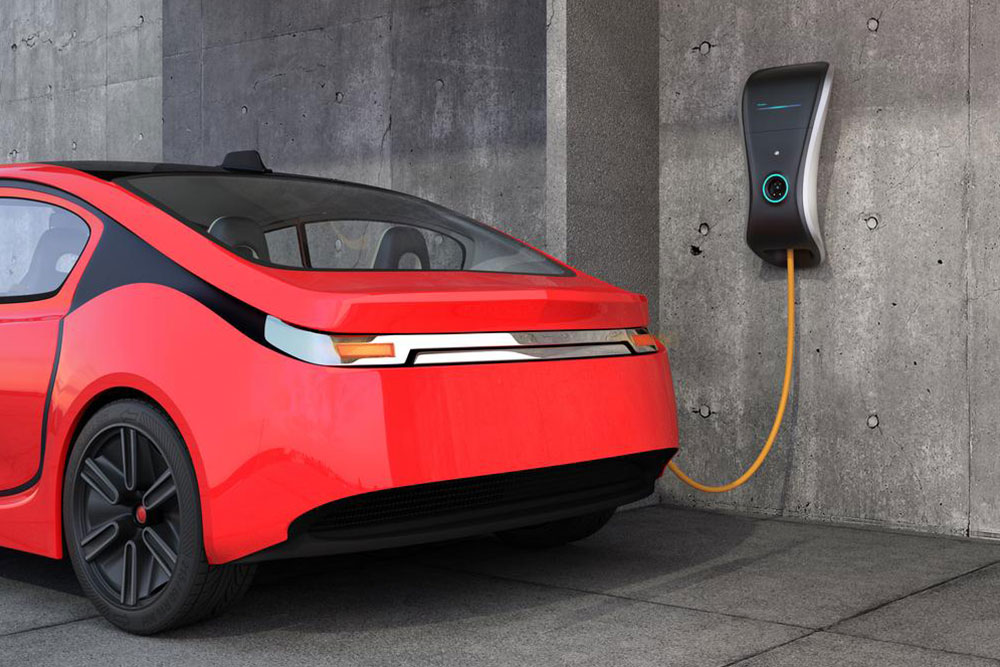
Self-driving cars can communicate with each other to maintain optimal speeds and spacing, minimizing stop-and-go traffic. Smoother flow reduces travel times and fuel consumption. For electric autonomous vehicles, this efficiency means zero tailpipe emissions, improving urban air quality.
Productivity Gains
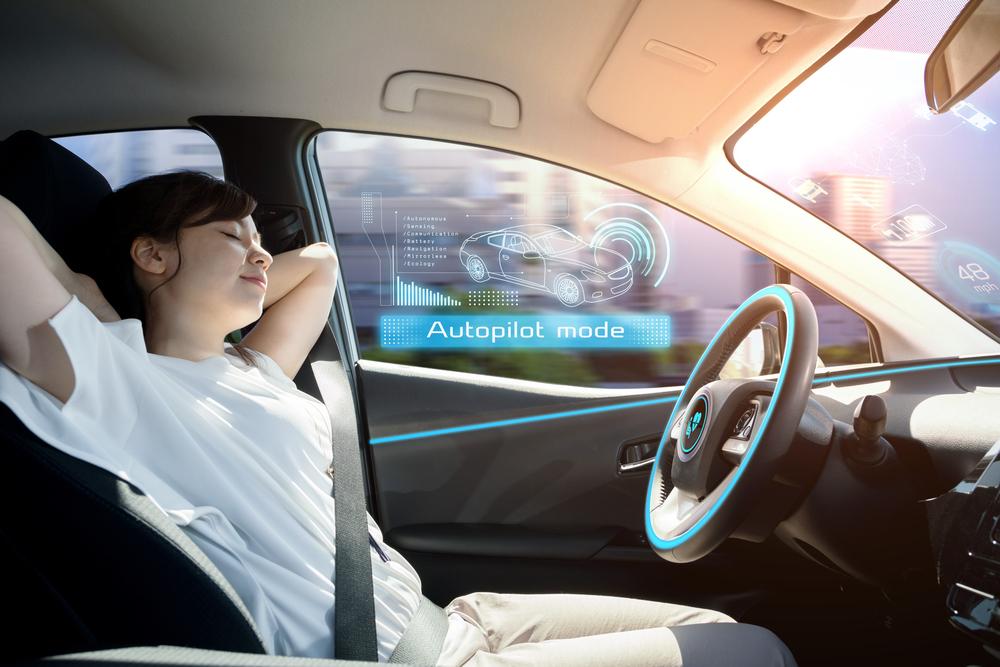
When the car handles driving, passengers can use travel time for work, relaxation, or entertainment. The vehicle becomes a mobile office, reading room, or family cinema, potentially enhancing work-life balance and well-being.
Major Hurdles
Technological Limitations
Current autonomous systems perform well in controlled environments but struggle with real-world unpredictability: severe weather, faded lane markings, erratic human behavior. Achieving near-perfect reliability requires extensive testing and advanced AI capable of handling infinite edge cases.
Economic Barriers
Sophisticated hardware and software remain expensive. Reducing costs for mainstream consumers will take time and production scale. Commercial models like robo-taxis also face high maintenance costs for sensitive equipment, raising affordability questions.
Public Trust and Acceptance
Many people hesitate to surrender control, especially at high speeds. High-profile incidents can quickly erode confidence. Building trust requires transparent safety records, clear communication about limitations, and consistent regulation. Legal liability in accidents adds further complexity.
Infrastructure and Regulation
Today's roads are designed for human drivers. Smart infrastructure that communicates with cars would help but is costly. Regulatory frameworks lag behind technology, leaving unanswered questions about national standards, data privacy, and insurance.
Safety Myths and Realities
Autonomous vehicles are not infallible. They face cybersecurity threats, sensor limitations, and ethical dilemmas in unavoidable crashes. Robust safeguards, rigorous testing (simulated and real-world), and post-sale fleet learning help refine systems. Transparency about limitations is crucial to maintain public trust.
Frequently Asked Questions
What is the future of autonomous cars? The future envisions reduced need for human drivers, increased safety, and enhanced mobility for the elderly and disabled. Urban areas are expected to see widespread adoption within a decade.
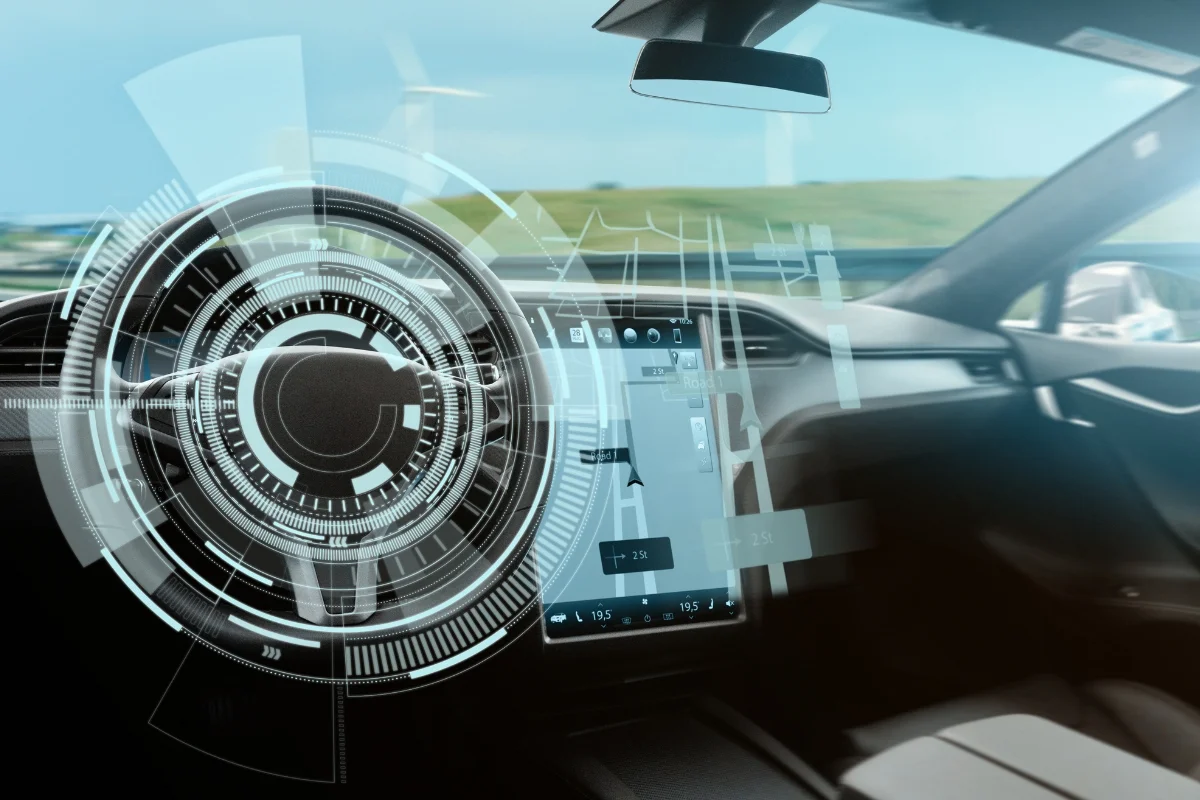
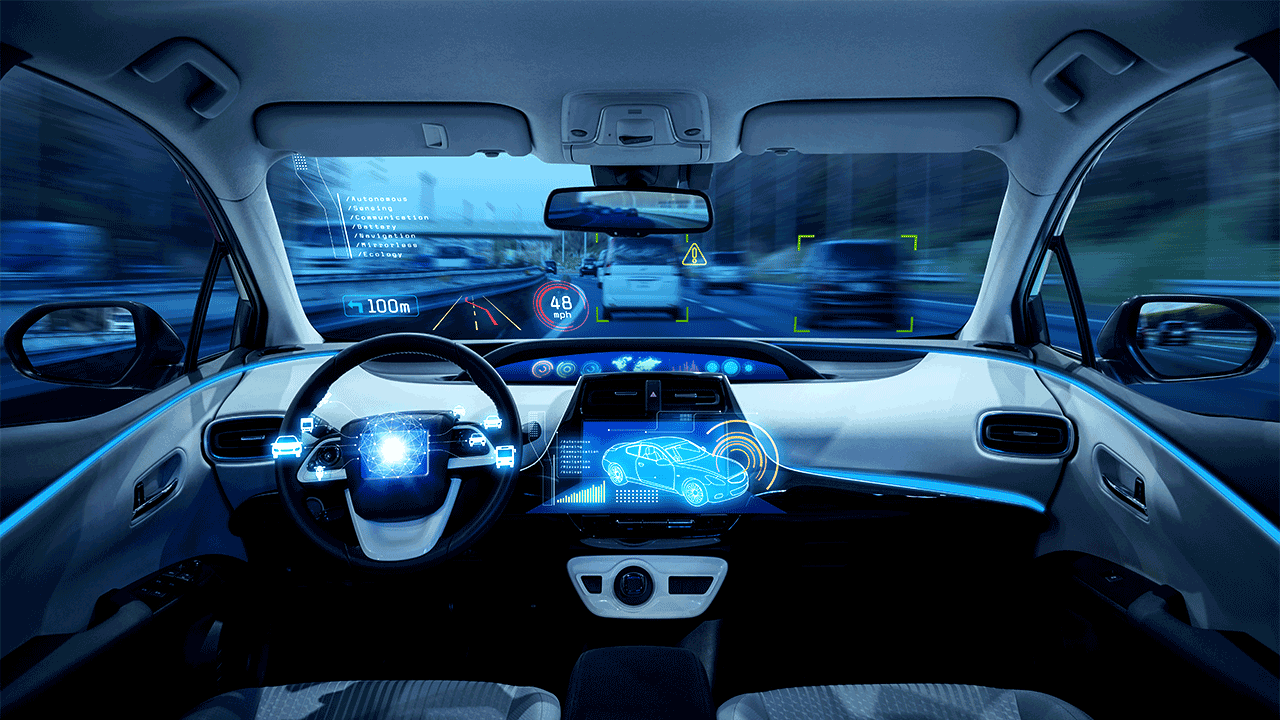
How does self-driving car technology work? It uses sensors, cameras, radar, and LIDAR to perceive surroundings. Onboard AI processes data for real-time driving decisions, including navigation and obstacle detection.
What are the benefits of autonomous cars? Benefits include fewer accidents, less congestion, more free time for passengers, and potential emission reductions through optimized driving and electric vehicle integration.
How safe are autonomous vehicles? They are designed with multiple fail-safes and redundancy. While they reduce human-error accidents, ongoing testing is needed to address edge cases and improve reliability before mass adoption.
What challenges do autonomous vehicles face? Key challenges include technological perfection, regulatory gaps, public acceptance, ethical decision-making, and cybersecurity. Overcoming these requires collaboration across industries and governments.