Renewable Energy Myths vs Facts: Smart Grids, Energy Storage, and Policy Insights
Discover the truth behind renewable energy myths and learn about smart grids, energy storage, and policy frameworks driving the clean energy transition.
Current Renewable Energy Landscape
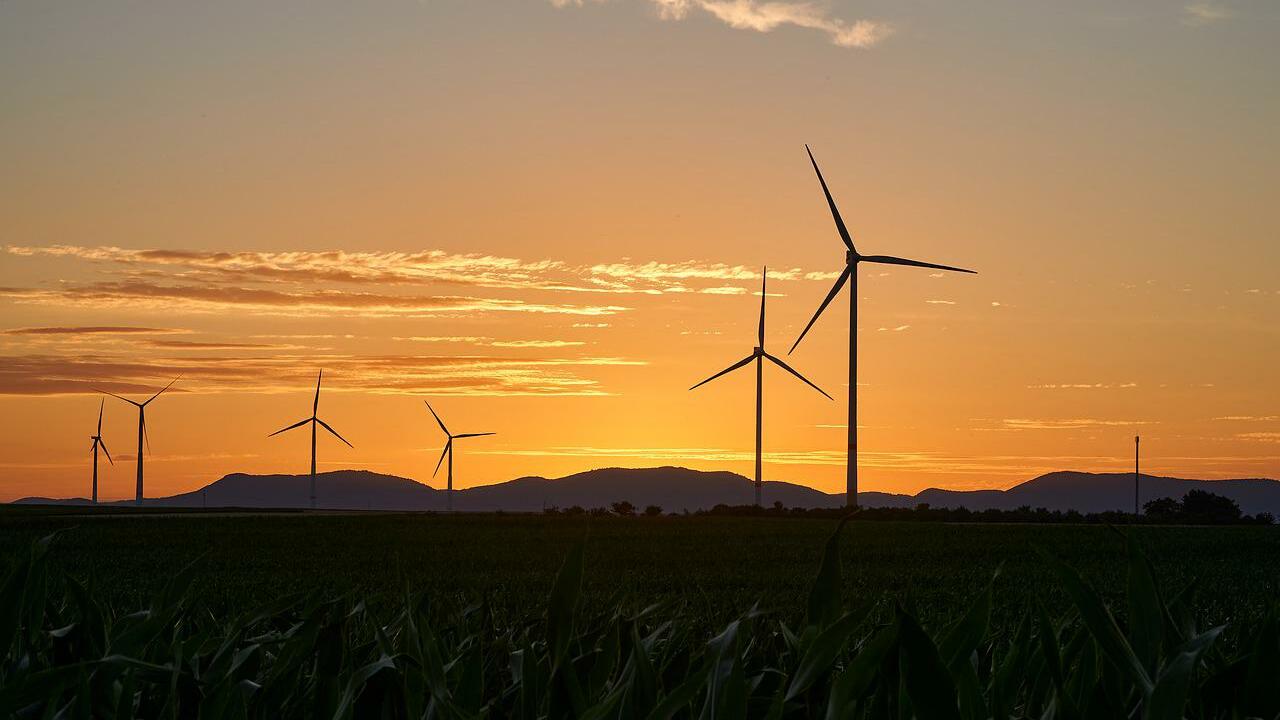
The global shift toward clean energy is accelerating. Solar and wind now lead capacity additions, while hydropower, geothermal, and battery storage play complementary roles. The table below highlights key data for the U.S. as of 2024.
| Energy Source | Installed Capacity (GW) | Generation (TWh) | % of Total Electricity | Growth Rate (2023–2024) | Key States Leading Growth |
| Solar Power | 125 | 303 | 7% | +27% | Texas, California, Florida, Arizona |
| Wind Turbines | 140 | 420 | 10% | +12% | Texas, Kansas, Iowa, South Dakota |
| Hydropower | 80 | 236 | 5.5% | -1% | Washington, California, Oregon |
| Geothermal Energy | 3.9 | 18 | 0.4% | +3% | California, Nevada |
| Energy Storage (Battery) | 25 | 12 (discharged) | N/A | +45% | California, Texas, Illinois |
| Sustainable Electricity (Total Renewables) | 373.9 | 979 | 22.9% | +15% | Nationwide |
Debunking Common Myths About Renewable Energy
Myth: Renewables Are Unreliable
Critics often point to weather dependence, but modern energy storage and diversified grids solve this. Battery systems store excess solar power for nighttime use, while a mix of solar, wind, and geothermal ensures steady supply. Smart grids use weather forecasts to balance flows in real time, making renewables highly dependable.
Myth: Clean Energy Is Too Expensive
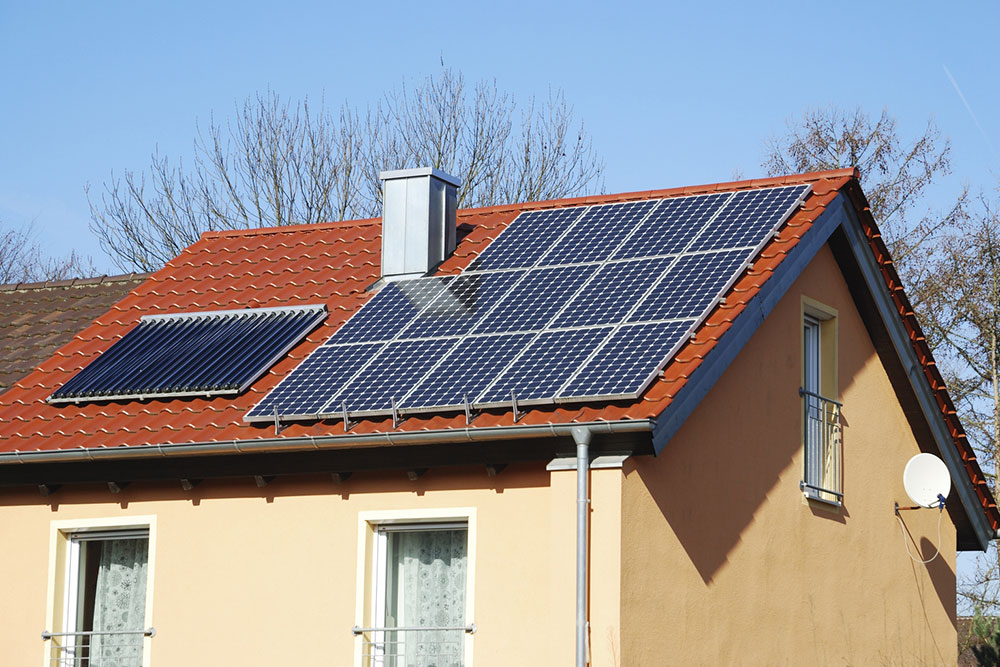
Costs have plummeted. Solar and wind are now cheaper than coal and gas in many regions. Tax incentives, solar leases, and decreasing installation costs make renewables affordable. After setup, fuel is free, yielding long-term savings.
Myth: Renewables Cause Hidden Environmental Harm
Proper siting minimizes ecological impact. Wind farms undergo wildlife assessments; solar farms often use non-arable land. The industry also pioneers recycling for turbine blades and batteries, reducing long-term waste.
Myth: Management Systems Waste Energy
Smart grid algorithms optimize energy flows, cutting waste and boosting efficiency—much like a well-tuned engine. They enhance renewable deployment rather than consume extra power.
Technological Innovations Driving the Transition
Smart Grids
Two-way communication enables real-time control. Smart meters and sensors adjust supply and demand precisely. On sunny days, surplus solar is stored or redistributed. Advanced analytics detect faults and reroute power before disruptions, creating a resilient platform for renewables.
Energy Storage Beyond Batteries
Storage balances production and consumption. Fuel cells and hydrogen storage convert surplus electricity into hydrogen via electrolysis. That hydrogen can power vehicles or be converted back to electricity. Synthetic fuels from algae or waste also decarbonize hard-to-electrify sectors.
Biofuels for Transportation
Advanced biofuels (cellulosic ethanol, algal fuels) reduce greenhouse emissions. Sustainable farming practices avoid competition with food crops. Government incentives accelerate adoption, extending clean energy beyond electricity.
Policy Frameworks Supporting Renewables
Strong policies foster growth and innovation. Tax credits, grants, and subsidies lower investment barriers. Stable regulatory standards enable long-term planning. Policies that promote long-duration storage, grid upgrades, and strategic retirement of fossil plants ensure a smooth, reliable transition.
Frequently Asked Questions
How does geothermal energy integrate into the grid? Geothermal provides baseload power independent of weather, complementing solar and wind. Enhanced systems expand its potential in new regions.
What advantages does hydropower offer? Hydropower ramps output quickly to meet demand, and pumped storage acts like a giant battery, storing excess energy for later use.
How does bioenergy support a circular economy? It converts organic waste into electricity, heat, or biofuels, reducing landfill use and emissions while creating rural income.
What role does energy storage play? Storage addresses intermittency by storing excess generation. Batteries, pumped storage, and hydrogen fuel cells balance supply and demand, reducing fossil fuel reliance.
What challenges do wind turbines face? Variable wind speeds and wildlife impacts are main concerns. Ongoing research aims to maximize efficiency and sustainability.
The combination of technology innovation, supportive policy, and public understanding is key to a resilient renewable energy future that meets modern needs while protecting the planet.