How Digital Health Technologies Are Transforming Chronic Disease Management: Remote Monitoring, Medication Management & Patient Empowerment
Explore how remote monitoring, digital assistants, and integrated data systems empower patients and improve chronic disease management outcomes.
How Digital Tools Are Reshaping Chronic Care
Chronic disease management has moved beyond the clinic. With the rise of remote monitoring, digital assistants, and integrated data systems, patients and providers now maintain continuous connections. This article explores the key innovations—remote patient monitoring, medication management platforms, and AI-driven care coordination—that are improving outcomes for individuals with long-term conditions.
Real-Time Health Tracking from Home
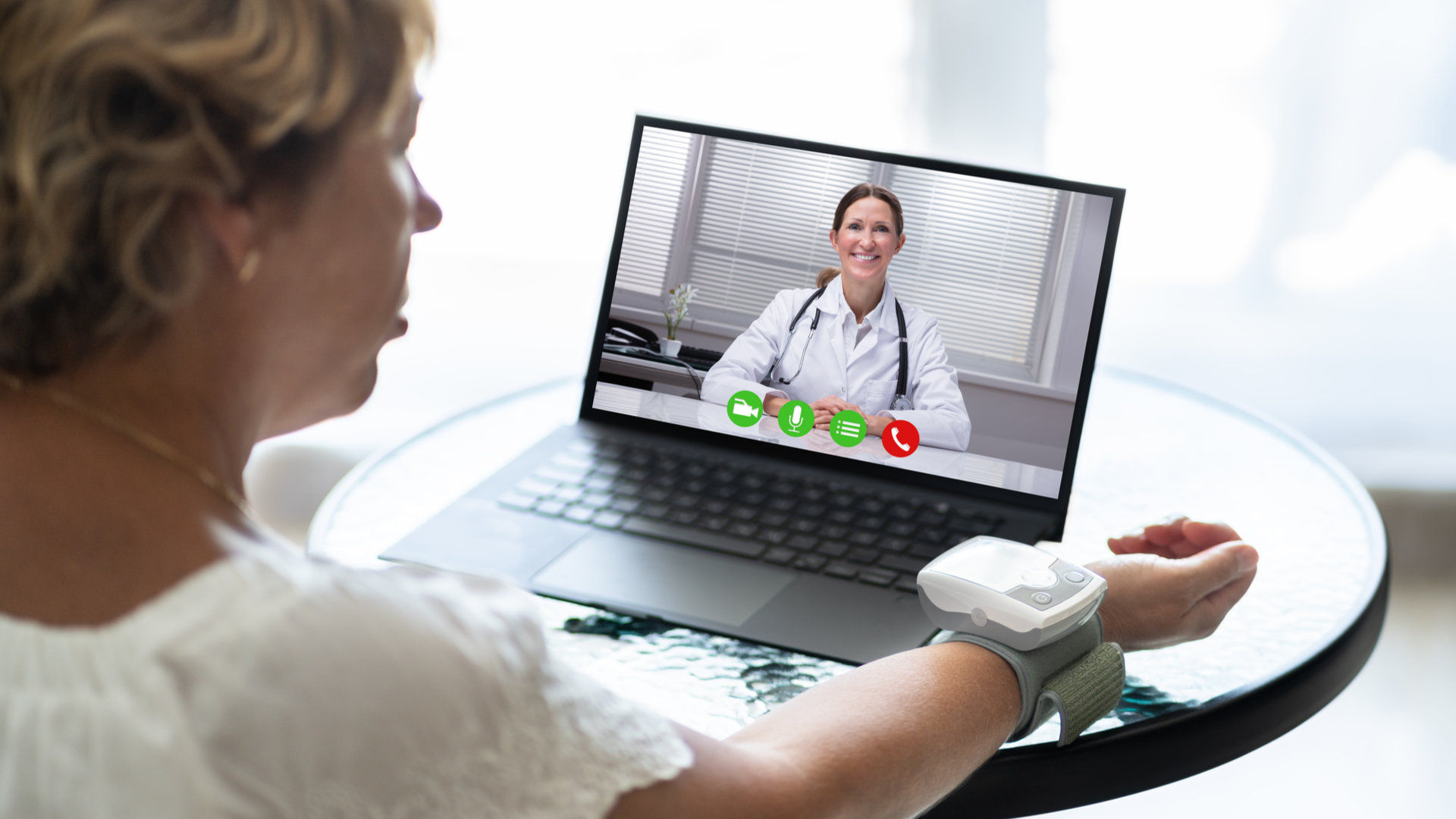
Wearable devices and portable sensors enable patients to monitor vital signs like heart rate, blood pressure, and glucose levels from home. This data flows directly to healthcare teams, providing a daily picture of health. For those with diabetes or heart disease, early alerts for arrhythmias or glucose spikes allow timely interventions, reducing emergency visits. This shift from reactive to preventive care emphasizes continuous oversight.
24/7 Support Through Digital Health Assistants
Automated tools fill gaps when clinicians are unavailable. Patients can log symptoms, receive medication reminders, track progress, and access health information anytime. Many of these assistants integrate with telehealth platforms, pre-collecting data to make consultations more efficient. By handling routine inquiries, they free up provider time and empower patients to manage their own health.
The Infrastructure Behind Seamless Remote Care
A secure digital backbone is essential. Integrated platforms that unify electronic health records (EHRs) break down silos, giving a complete view of a patient's journey. In the UK, NHS Digital's integrated care systems use AI to coordinate care for multimorbidity, improving risk prediction. Such centralization ensures care teams have the latest information, reducing delays and fostering collaboration.
Medication Management in a Digital World
Consistent medication adherence is critical. Digital tools now support patients with personalized reminders, logging, and analysis. Patients can record doses and symptoms, creating diaries that inform providers about effectiveness and side effects. This feedback loop enables tailored adjustments to treatment plans. Beyond reminders, wearable sensors track health metrics, providing early warnings (e.g., low glucose) and trend analysis for data-driven therapy modifications.
Frequently Asked Questions
What are the benefits of self-monitoring for multimorbidity?
Self-monitoring provides real-time insights, improves communication with providers, enables timely interventions, and empowers patients to take an active role, leading to better adherence and outcomes.
How do personalized treatment pathways improve long-term medication adherence?
Tailored approaches reduce schedule burden and increase satisfaction by aligning with a patient's unique profile and lifestyle, improving adherence and reducing complications.
What role do lifestyle tracking tools play in chronic condition management?
They help monitor diet, exercise, and daily activities, providing feedback to identify patterns and encourage healthy behaviors that significantly impact condition management.
How does remote care integration help patients with multiple chronic conditions?
It delivers continuous support outside clinical settings, enables timely interventions, reduces in-person visits, and provides comprehensive care addressing multiple needs, leading to better outcomes and lower costs.
How can providers coordinate care for multimorbidity more effectively?
Through collaborative networks using shared EHRs and self-monitoring technologies, regular communication, and team-based approaches ensuring holistic care covering all conditions.
These digital partnerships represent a major shift. They enable more personalized, connected, and responsive care, helping individuals and healthcare systems work together for better health. As technology evolves, chronic care continues to improve, offering new paths to healthier lives.