Robotics Evolution: Humanoid Machines, Autonomous Drones, and the Power of Collaboration
Explore how humanoid robots, aerial drones, collaborative systems, and advanced components are reshaping industries and human-robot interaction.
The Collaborative Shift in Robotics
Robotics has moved far beyond the confines of safety cages. Today, humanoid machines walk among us, drones navigate our skies, and collaborative robots work side by side with human operators. This transformation is driven by advances in sensors, power systems, and design philosophies that prioritize partnership over isolation. By exploring the latest in humanoid robots, aerial drones, and essential components, we see a future where humans and machines cooperate seamlessly.
Humanoid Robots: Design for Human Environments
Mimicking the Human Form
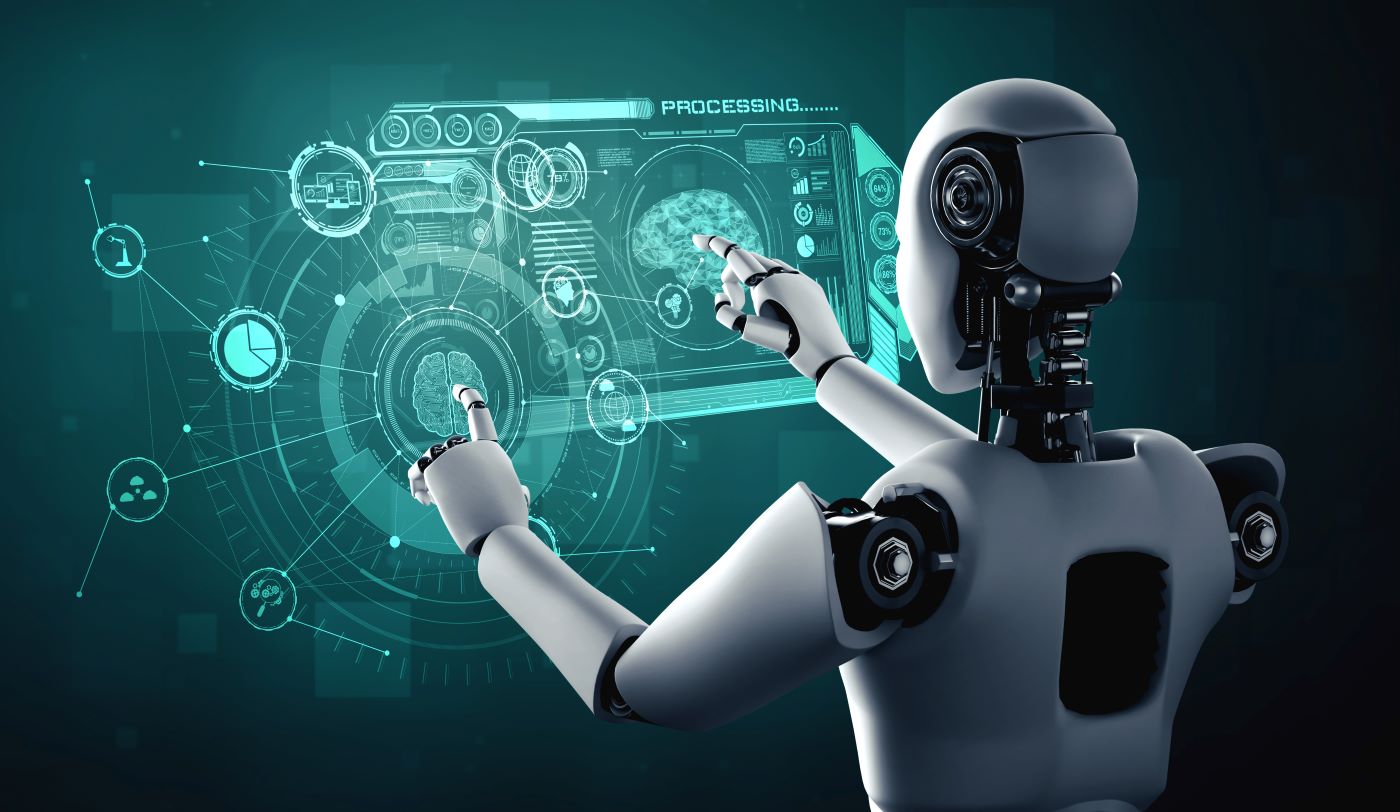
Humanoid robots are engineered to fit into spaces built for people. They climb stairs, open doors, and handle tools with growing dexterity. As manufacturing costs drop, these machines are transitioning from labs to factories and soon to homes. In eldercare and rehabilitation, they offer consistent physical support, reducing caregiver strain while providing dependable assistance.
Sensory Integration for Natural Interaction
To understand their surroundings, humanoid robots combine cameras, microphones, and tactile sensors. This multi-sensory fusion lets them recognize objects, interpret speech, and adapt to context. For instance, a humanoid can detect a fallen person, evaluate their state, and summon help autonomously—demonstrating a level of responsiveness that once required direct human control.
Drones: Autonomy and Safety in the Sky
Autonomous Operations in Agriculture and Logistics
Modern drones carry powerful onboard computers and sensor arrays like lidar and high-res cameras. They can analyze crop health, optimize irrigation, and reduce waste on farms. In logistics, they deliver medical supplies and emergency goods to remote areas, enabled by recent leaps in battery life and payload capacity. Same-day delivery is becoming a reality for critical items.
Enhancing Worker Safety in Hazardous Zones
Drones excel where human presence is risky. In construction, they inspect high-rise structures and unstable zones without endangering workers. While autonomous flight is impressive, the most effective systems blend machine precision with human oversight. Operators receive real-time data and can intervene, ensuring safety and reliability.
Core Components Powering Modern Robotics
Robotic Arms: Precision and Versatility
Robotic arms copy the human arm's range of motion with multiple joints and force sensors. They perform delicate surgery or heavy welding with equal accuracy. In industry, they handle toxic materials and repetitive assembly, boosting productivity while preventing injuries. Feedback loops let them adjust grip and force in real time.
Sensors and Power Systems
Advanced sensors give robots the ability to feel, see, and navigate. Tactile sensors detect pressure, optical sensors interpret visuals, and ultrasonic modules map spaces. Meanwhile, longer-lasting batteries extend operational time. Wearable exoskeletons and robotic suits further amplify human strength, reducing fatigue and injury in demanding jobs while aiding rehabilitation in healthcare.
Conclusion: The Future of Cooperation
The shift from isolated automation to collaboration is powered by safer designs and smarter sensing. Cobots now assist in manufacturing, logistics, and retail, handling heavy or repetitive tasks while humans focus on creativity and decision-making. As humanoid robots and drones become more accessible, their integration into daily life will deepen. This new era of human-robot collaboration promises a harmonious balance where each side contributes its unique strengths.