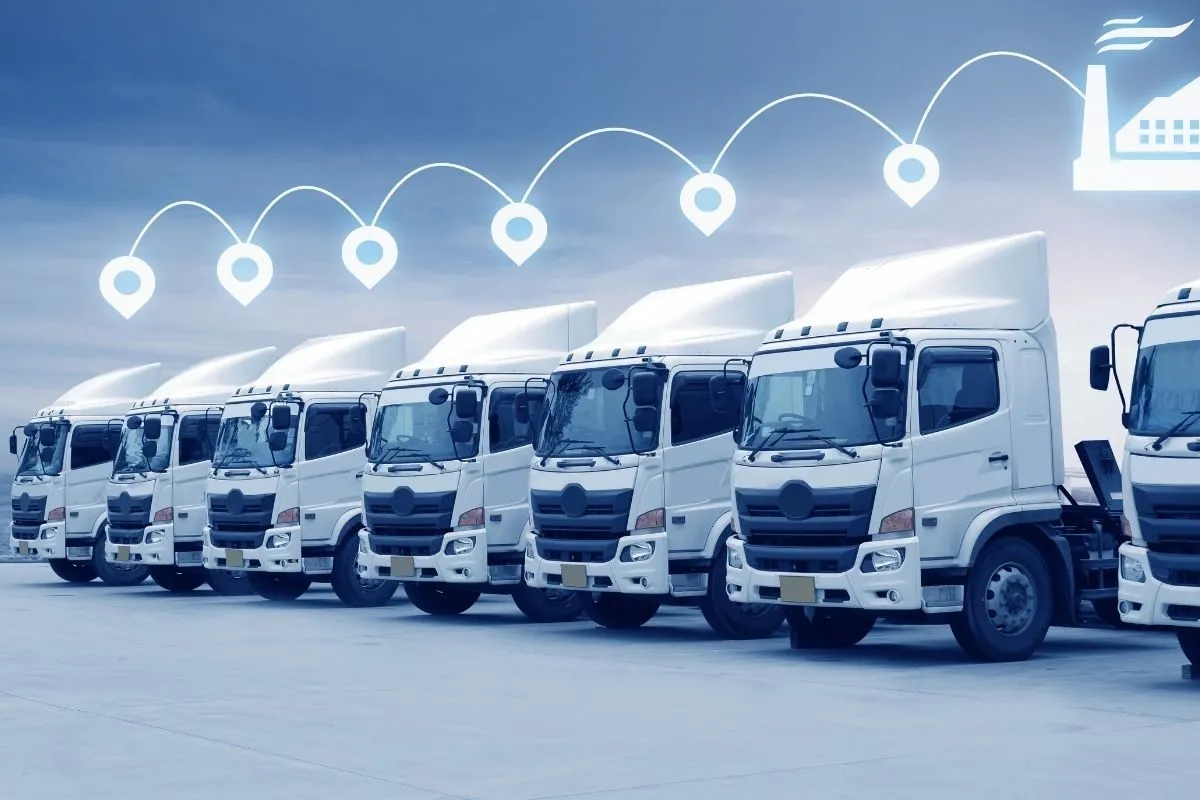
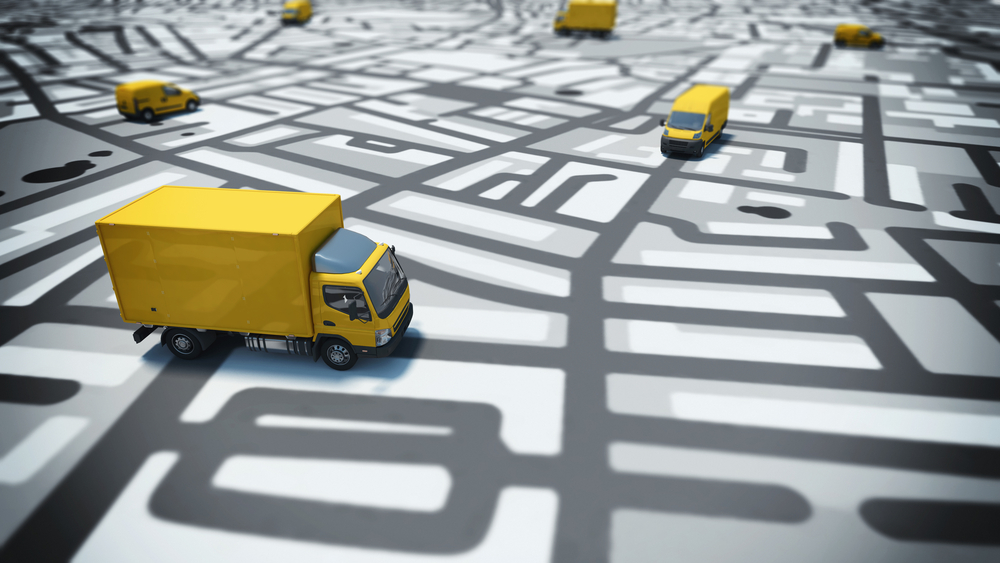
Connected Fleet Management: Telematics, IoT, and Data-Driven Efficiency for Modern Fleets
Explore how telematics, IoT, and predictive analytics transform fleet operations—improving safety, cutting costs, and supporting sustainability.
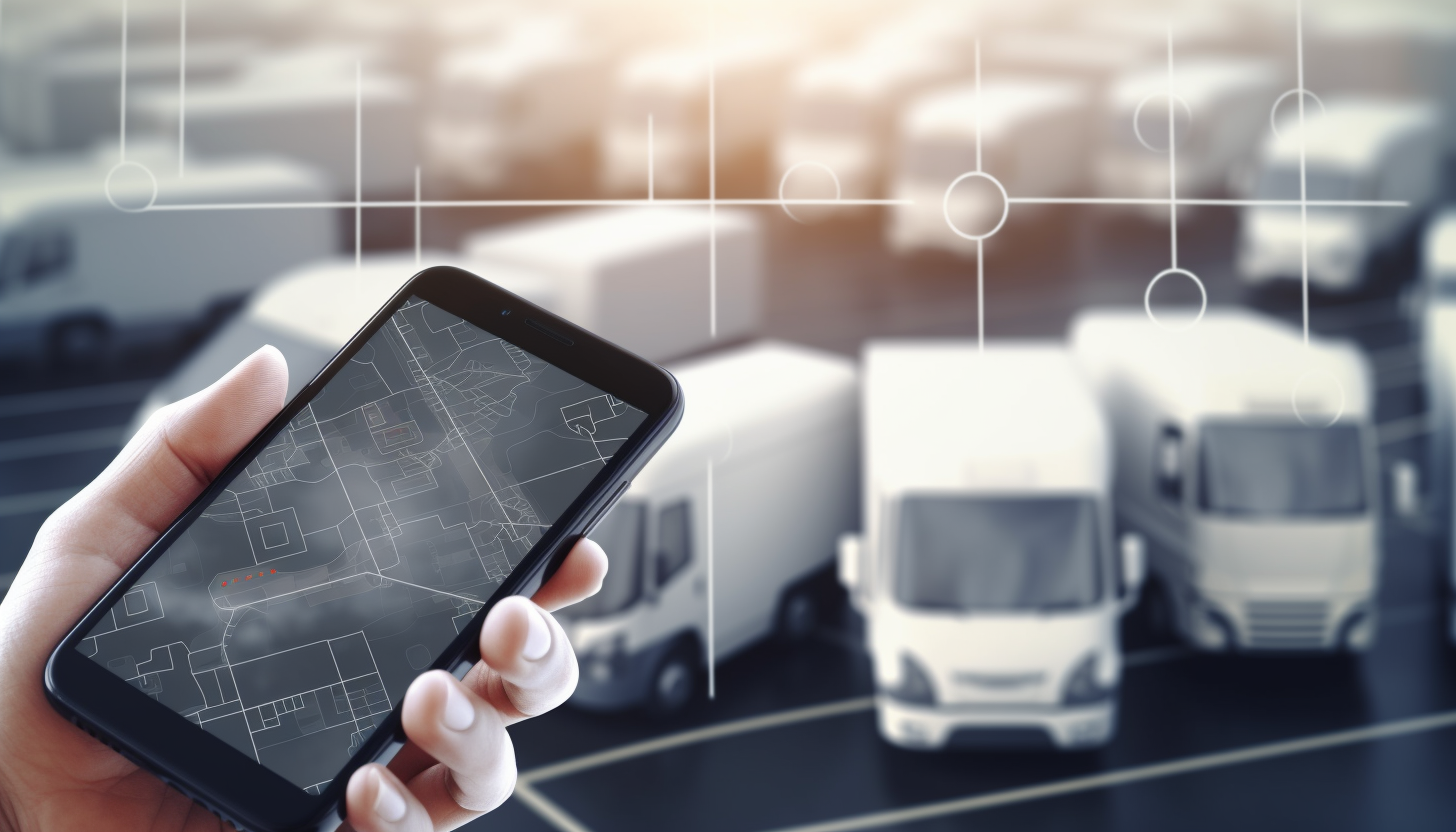
The Connected Fleet Revolution
Modern fleet management has moved far beyond simple vehicle tracking. With telematics, IoT sensors, and real-time data analytics, fleets now operate as intelligent networks. This article delves into the key technologies transforming the industry—covering everything from route optimization and predictive maintenance to driver safety and sustainability—and shows how data-driven decisions drive operational excellence.
Real-Time Tracking & Dynamic Routing
GPS and telematics systems give fleet managers live visibility into every vehicle’s location. This real-time data enables dynamic route adjustments based on traffic, weather, and delivery deadlines. Benefits include lower fuel consumption, improved on-time performance, and enhanced theft prevention. The same data also reveals congestion patterns and driver behavior trends, supporting long-term strategic planning.
Technology Benefits at a Glance
| Area | Technology | Primary Advantage |
|---|---|---|
| Vehicle Tracking | GPS, Telematics, IoT | Live location, route efficiency, theft recovery |
| Fuel Management | Sensors, Analytics | Cost reduction, lower emissions, theft detection |
| Maintenance | Predictive Analytics, Software | Reduced downtime, extended vehicle life |
| Driver Behavior | Dashcams, AI | Accident prevention, lower insurance |
| Depreciation | Financial Modeling | Informed replacement decisions |
| Compliance | Automated Reporting | Fine avoidance, transparency |
Fuel Efficiency & Cost Control
Fuel remains one of the largest fleet expenses. Modern fuel management systems use vehicle-level sensors and analytics to track consumption precisely. Managers can identify inefficiencies—like excessive idling or unauthorized use—and take corrective action. Optimized routes combined with driver training further reduce fuel costs while supporting environmental goals.
Predictive Maintenance: From Reactive to Proactive
Instead of waiting for breakdowns, predictive maintenance continuously monitors vehicle health to forecast failures before they happen. Maintenance management software schedules repairs based on actual usage data, not fixed calendar intervals. This approach cuts unplanned downtime, extends asset life, and improves safety by addressing mechanical issues early.
Driver Behavior & Safety
Telematics and AI-powered cameras assess driving patterns such as harsh braking, rapid acceleration, and speeding. Fleet managers can use this data to coach drivers, reduce accident risk, and lower insurance premiums. A strong safety culture leads to better compliance and a lower total cost of ownership.
Sustainability & the Green Fleet
Electrification is a growing priority. Hybrid and electric vehicles reduce emissions and long-term operating costs. Transitioning requires infrastructure investment, but strategic planning—including depreciation analysis—helps manage the financial impact. Fleets that embrace sustainability gain a competitive edge in eco-conscious markets.
Financial Planning & Asset Management
Depreciation analysis, using financial models and asset management systems, helps fleets determine the optimal replacement cycle. Understanding total cost of ownership guides decisions on vehicle upgrades and ensures maximum return on investment.
Frequently Asked Questions
How does vehicle tracking improve fleet operations? Real-time location data helps optimize routes, reduce fuel use, and improve customer service with accurate ETAs. It also aids in theft recovery.
What role does fuel management play in cost savings? By monitoring consumption and detecting inefficiencies, fleets can cut fuel bills by up to 15%, reduce emissions, and prevent theft.
Why is maintenance scheduling critical? Regular service prevents unexpected breakdowns, extends vehicle lifespan, and ensures safety compliance, reducing long-term costs.
How does driver monitoring enhance safety? Tracking behaviors like speeding and harsh braking allows targeted training, lowering accident rates and insurance costs.
How does depreciation analysis inform fleet strategy? It helps determine the best time to replace vehicles, balancing maintenance costs with resale value and operational efficiency.
Integrating these smart technologies creates a more efficient, safe, and sustainable fleet. By leveraging data at every level, organizations can navigate modern challenges and prepare for future innovations.