AI, Robotics & Personalized Medicine: The New Era of Healthcare Innovation
Discover how AI, robotics, wearables, and biotech are revolutionizing diagnostics, treatment, and patient care—while navigating key ethical challenges.
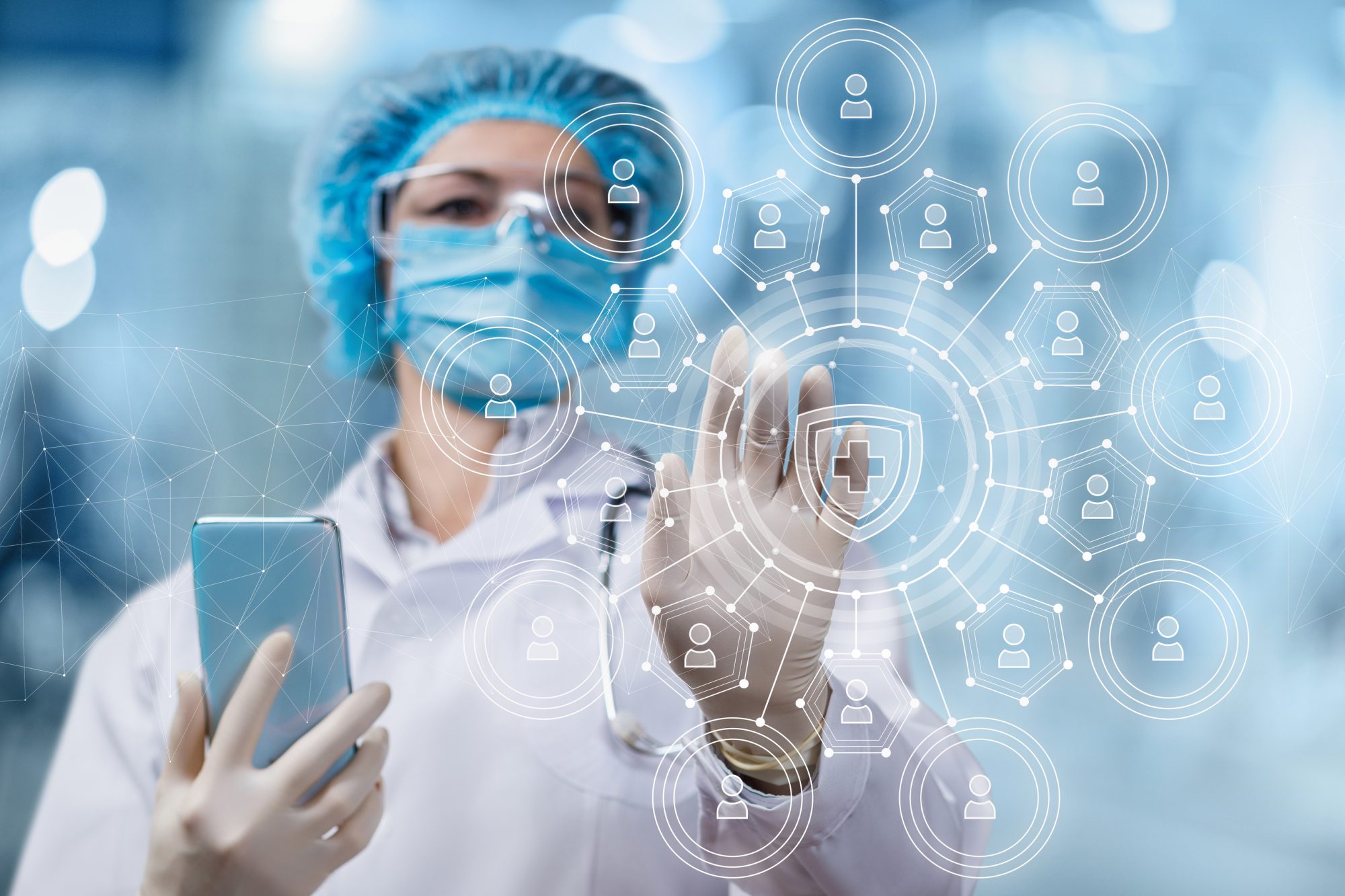
Healthcare's Digital Revolution
The healthcare industry is undergoing a profound transformation, fueled by rapid advances in artificial intelligence, robotics, wearable devices, and biotechnology. These technologies promise to make medical care more precise, less invasive, and tailored to each patient's unique needs. Yet, integrating them into everyday practice requires careful consideration of ethical and practical issues to ensure they benefit all patients equitably.
Transforming Diagnostics and Surgery
AI in Medical Imaging
Artificial intelligence is revolutionizing medical diagnostics by analyzing complex datasets—such as radiographic images, pathology slides, and lab results—with remarkable speed and accuracy. AI systems can identify subtle patterns that human eyes might miss, leading to earlier detection of diseases like cancer. In radiology, AI tools routinely assist in interpreting mammograms and CT scans, often matching or exceeding specialist performance. This automation reduces waiting times for results, alleviates the workload on healthcare professionals, and improves patient outcomes, especially in time-sensitive emergencies.
Robotic-Assisted Procedures
Robotic surgical systems extend a surgeon's capabilities by providing enhanced dexterity, tremor filtration, and three-dimensional visualization. These systems enable minimally invasive procedures through small incisions, which reduces pain, shortens hospital stays, and lowers infection risks. Modern robots incorporate haptic feedback, allowing surgeons to feel the forces they apply, preventing accidental tissue damage. As the technology matures, robots are taking on increasingly complex surgeries, making operations safer and more effective than ever before.
Empowering Patients Through Technology
Wearable Health Monitors
Smartwatches, fitness trackers, and other wearable devices now continuously track heart rate, activity levels, sleep patterns, and more. This real-time data empowers individuals to take charge of their health and make informed lifestyle decisions. For clinicians, the wealth of data from wearables offers deep insights for tailoring treatment plans. Early detection of irregularities—such as cardiac arrhythmias or glucose spikes—enables prompt intervention, supporting both chronic disease management and preventive care.
Personalized and Genomic Medicine
By analyzing a patient's genetic makeup, personalized medicine platforms can predict drug responses and optimize therapy selection. This approach is already transforming oncology, where genetic profiling guides the choice of targeted therapies. It also helps identify individuals at high risk for certain diseases, allowing early lifestyle modifications or preventive measures. As genomic knowledge expands, these platforms will cover an ever-wider range of conditions, bringing truly individualized care to more patients.
Biotechnology and Advanced Therapies
Biotechnology is delivering novel treatments at the molecular and cellular level. Gene therapy aims to correct defective genes, potentially curing hereditary disorders. Cell therapies like CAR-T engineer a patient's immune cells to attack cancer more effectively, offering hope for previously resistant malignancies. Continued research uncovers new therapeutic molecules, expanding the arsenal of tools doctors can use against diseases once considered untreatable.
Overcoming Ethical and Practical Hurdles
Bridging the Access Gap
Advanced medical technologies risk widening healthcare disparities if they remain confined to wealthy regions. Policies must promote equitable distribution, invest in underserved communities, and integrate these innovations into public health systems to ensure all patients—regardless of income or geography—can benefit.
Safeguarding Patient Privacy
Digital health depends on vast amounts of personal data, raising significant privacy concerns. Strict data protection regulations, transparent data usage policies, and updated informed consent processes are essential to maintain patient trust. People must understand how AI and other tools handle their information and have control over it.
Ensuring Responsible AI Use
As AI increasingly supports clinical decisions, clear accountability frameworks are needed. Developers, healthcare providers, and regulators must collaborate to validate AI systems, prevent bias, and ensure fair treatment across diverse populations. Ongoing monitoring and ethical guidelines will be key to integrating AI responsibly into healthcare.
Frequently Asked Questions
Why is telemedicine important in modern healthcare?
Telemedicine expands access to remote consultations, especially benefiting patients in underserved areas. It reduces travel time and costs while enabling continuous monitoring and follow-up care. By leveraging digital platforms, providers can manage patients more efficiently, improving outcomes and resource utilization.
How do wearables contribute to personalized care?
Wearables generate continuous streams of physiological data that can be analyzed to tailor health recommendations. They detect early signs of conditions like heart arrhythmias or sleep disorders, allowing for personalized interventions. This data helps clinicians adjust treatment plans in real time, making care more responsive and individualized.
What impact is AI having on diagnostics?
AI diagnostics augment human expertise by rapidly processing large datasets and identifying patterns invisible to the naked eye. This leads to faster, more accurate diagnoses, particularly in complex fields like radiology and pathology. AI also reduces diagnostic errors and speeds up clinical decision-making, directly benefiting patient outcomes.
What are the latest advances in robotic surgery?
Recent innovations include enhanced haptic feedback for tactile sensation, better 3D imaging, and compact systems for easier integration. These improvements allow finer movements and reduced invasiveness, resulting in shorter hospital stays, less pain, and faster recoveries for patients.
How is biotechnology shaping the future of medicine?
Biotechnology drives targeted therapies like gene editing (CRISPR) and cell therapies (CAR-T). It enables the development of vaccines and biologics that address previously untreatable conditions. By focusing on molecular mechanisms, biotech offers curative potential for genetic diseases and cancers, transforming the future of medicine.