How IoT Devices Achieve True Intelligence: Connectivity, Edge Computing, and Security
Discover how IoT devices use communication protocols, edge computing, and security measures to become truly intelligent and transform industries.
The Foundation of IoT Intelligence: Communication Protocols
Connected devices rely on a sophisticated communication network to exchange data seamlessly. Early IoT growth was hindered by incompatibility among manufacturers. Universal protocols now serve as a common language, enabling devices from different brands to interoperate. Standards such as Bluetooth, Zigbee, and Wi-Fi define data transmission rules, allowing a smart thermostat to adjust based on a sensor from another vendor or an industrial sensor to share data with a central system. This cooperative dialogue turns IoT into an intelligent ecosystem.
Real-Time Connectivity Demands
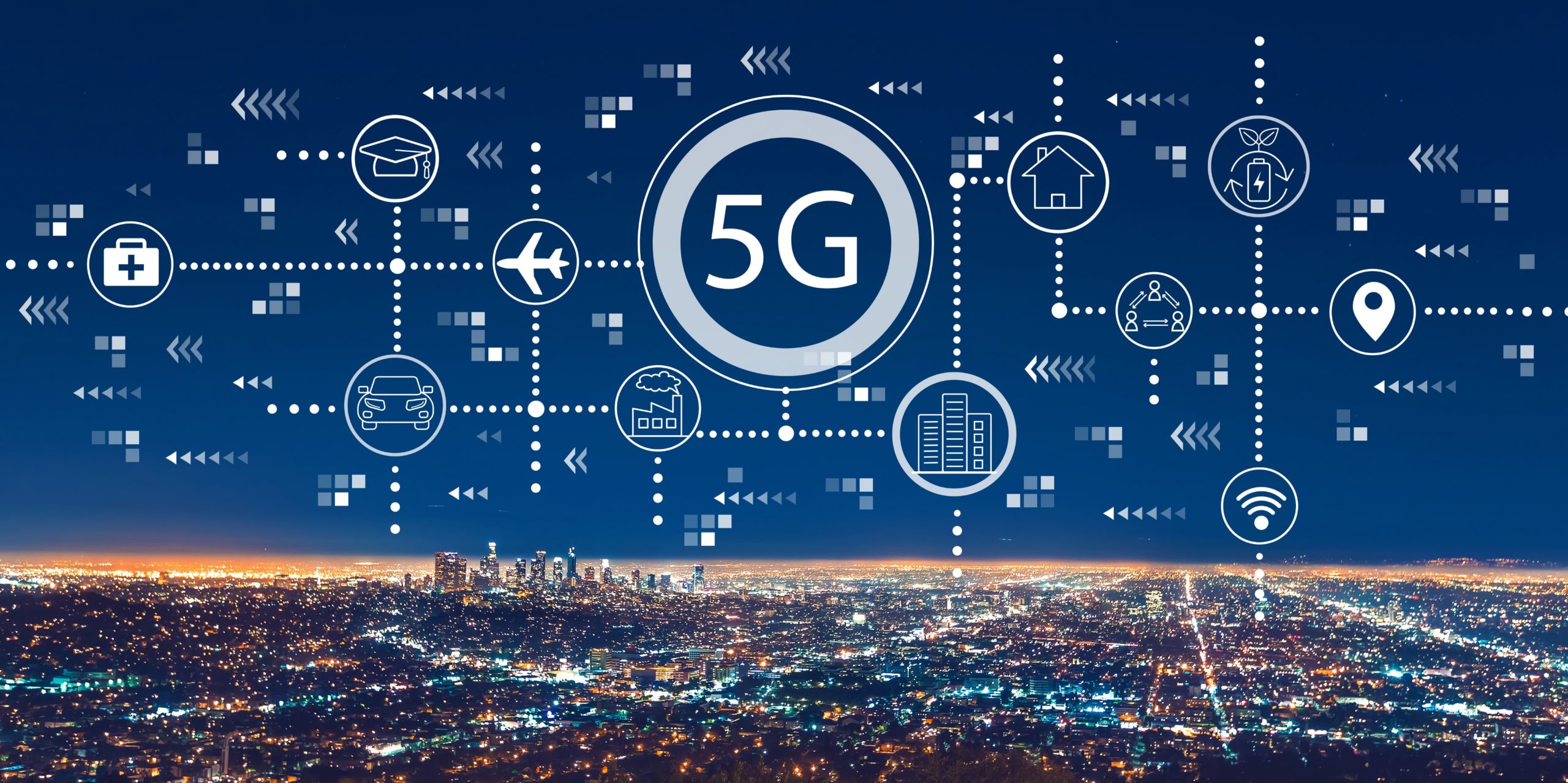
Low-latency connectivity is critical for applications like smart cities, autonomous vehicles, and medical monitoring. Adaptive traffic signals must respond instantaneously to manage congestion, while healthcare devices require immediate alerts. High-speed networks and responsive connectivity make devices smarter and more integrated into everyday tasks.
Local Intelligence Through Edge Computing
Connectivity alone is insufficient. True intelligence comes from processing data near its source—edge computing. This approach reduces latency by handling computations on the device or local server rather than sending data to distant cloud servers.
Instant Decisions and Enhanced Security
For time-critical applications like autonomous braking or vital sign alerts, edge computing enables millisecond responses. Keeping data local also limits exposure during transmission, enhancing security while conserving bandwidth and central resources. Raw inputs become actionable decisions almost instantaneously.
Collective Learning Across Networks
Smart devices now learn from collected data and share insights without transmitting raw observations. Industrial sensor networks identify efficiencies across factories, predict equipment failures, and streamline operations. By collaborating, they optimize algorithms through shared experiences while minimizing data exposure and network load.
Transforming Healthcare and Everyday Life
IoT applications extend beyond convenience into critical areas like health and home environments.
Remote Patient Monitoring and Telehealth
Connected medical devices continuously capture heart rate, blood pressure, glucose levels, and transmit insights to providers in real time. Telehealth becomes viable as doctors monitor patients remotely and adjust treatments without on-site visits. This proactive care improves outcomes and optimizes resource use.
The Smart Home Ecosystem
Smart thermostats learn temperature preferences, automated lighting adjusts to occupancy, and security systems provide real-time alerts. Previously isolated innovations now form integrated ecosystems that respond to inhabitants' activities, transforming homes into intelligent, efficient spaces.
Building Trust: Security and Privacy in IoT
With the proliferation of connected devices, safeguarding information is paramount. The integrity of the IoT relies on robust, evolving security measures.
Zero-Trust Architecture and Encryption
Each device contributes to a vast network transmitting personal and operational data. Implementing a zero-trust framework verifies all communications, minimizing unauthorized access. Encryption transforms plaintext data into secure cipher, protecting it throughout its journey. These measures address data misuse and ensure user privacy.
Privacy by Design
Security must be a foundation, not an afterthought. A trusted IoT framework integrates encryption, access controls, and secure communication from the start. Transparency about data usage and explicit user consent further build confidence. By designing systems with privacy in mind, users can trust that their data is protected at every stage, allowing technology to advance without compromising personal rights.