Advanced Water Solutions: Desalination, Recycling, and Smart Systems for Scarcity
Discover innovative water solutions: advanced desalination, wastewater recycling, smart infrastructure, and policy drivers tackling global water scarcity.
Advanced Membrane Technologies
Innovations in desalination membranes are transforming seawater into freshwater more efficiently. Nanotech-enhanced composites replace traditional polymers, creating ultra-fine pathways that boost water flow and resist fouling. Lower operating pressures dramatically cut energy use, making desalination a daily resource rather than an emergency fix.
Energy Recovery and Renewable Integration
Energy recovery devices (ERDs) capture pressure from brine outflow to reduce facility power demand. Pairing with solar or wind farms further lowers costs and emissions. As renewables become cheaper, sustainable desalination becomes a key pillar of resilient water strategies.
Wastewater Recycling for a Circular Economy
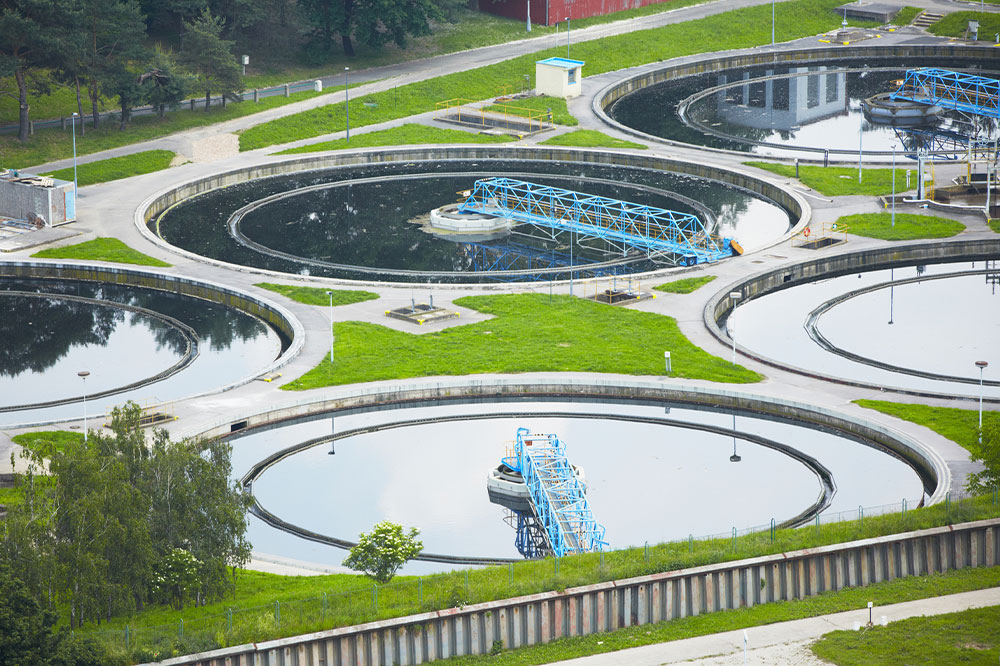
Advanced treatment reclaims used water for industry, agriculture, and even potable reuse. Closed-loop systems on-site conserve freshwater supplies. Multi-stage processes—granular activated carbon, ion exchange, reverse osmosis, nanofiltration—target specific contaminants, while chemical coagulation and flocculation clump fine particles for removal. Recycled water meets stringent safety standards, supporting sustainability.
Smart Infrastructure and Leak Detection
Smart pumps with sensors adjust performance in real time, reducing energy waste and alerting operators to maintenance needs. Data analytics and sensor networks locate leaks early, shifting from reactive to proactive maintenance. This saves water, cuts repair costs, and boosts supply reliability.
Economic Drivers and Policy Support
Falling technology costs make desalination competitive with traditional sources. Climate change intensifies droughts and saltwater intrusion, spurring investment. Governments offer subsidies, tax incentives, and pilot funding. Public-private partnerships expand capacity and deploy modern facilities. Regulatory frameworks encourage recycling and sustainable practices, maximizing every drop.
Frequently Asked Questions
What is desalination and how does it help water scarcity?
Desalination removes salt from seawater to produce fresh water. It provides a reliable supply for arid regions and reduces pressure on limited freshwater sources.
How does wastewater recycling work?
Wastewater is treated through filtration, biological processes, and disinfection to become safe for reuse in industry, agriculture, or even drinking. It lessens dependence on natural sources and supports sustainability.
What role do filtration systems play in clean drinking water?
Filtration systems—from household activated carbon filters to industrial reverse osmosis—remove pollutants and pathogens, ensuring water is safe to drink.
Why is clean drinking water vital for public health?
Contaminated water causes diseases like cholera and dysentery. Safe drinking water prevents these illnesses, supports well-being, and enables economic development.
What innovative solutions address water scarcity?
Key innovations include advanced desalination, wastewater recycling, rainwater harvesting, smart grid management, and efficient irrigation. These optimize use and reduce waste.