Economic Forecasting Explained: GDP Trends, Scenario Planning, and Ethical Data Models
Master economic forecasting: GDP trends, scenario analysis, ethical data modeling, and FAQs. Learn how experts predict economic futures.
The Art and Science of Economic Forecasting
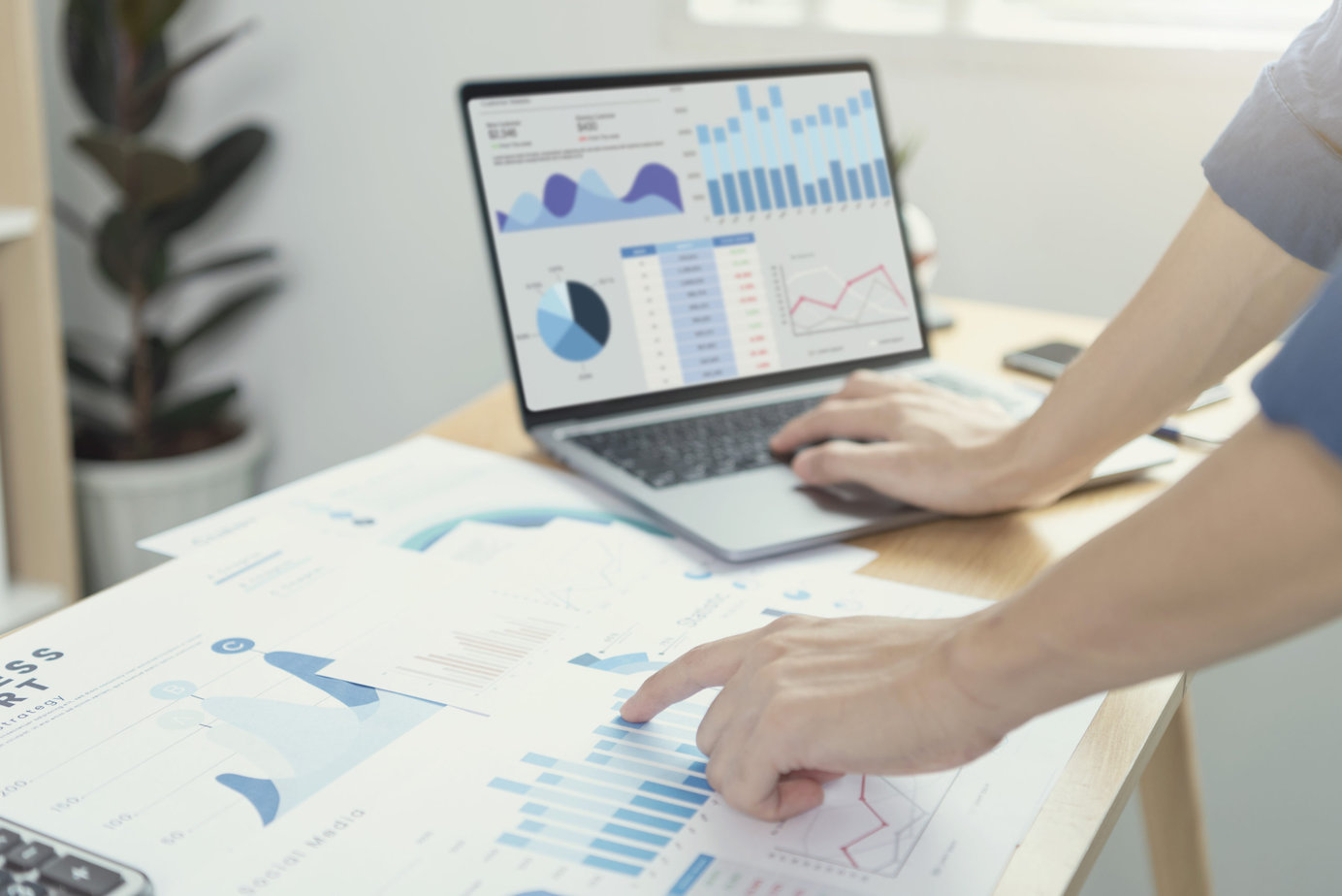
Economic forecasting goes beyond number crunching—it demands understanding how GDP, workforce shifts, policy changes, and global events interconnect. Analysts combine diverse data points to build a coherent picture of future economic conditions. This process is essential for businesses and governments to plan strategically, allocate resources, and mitigate risks.
Key Indicators: GDP and Productivity
The Masking Effect of GDP
Gross Domestic Product (GDP) is a cornerstone of economic health, but its stability often conceals sectoral volatility. For instance, a booming service sector can offset a declining manufacturing industry, creating a misleadingly smooth headline figure. Forecasters must disaggregate GDP to capture these hidden dynamics and adjust predictions as new data emerges.
Workforce and Productivity Trends
Productivity gains—driven by technology and innovation—can compensate for a shrinking labor force. Conversely, an aging population or falling labor participation may drag growth unless offset by efficiency improvements. Analysts evaluate demographic shifts, educational trends, and technological impacts to anticipate how these forces interact over time.
Navigating Uncertainty with Scenario Analysis
Market Fluctuations and Government Actions
Markets are constantly influenced by external shocks and policy decisions. Fiscal changes, such as tax adjustments or spending cuts, directly affect consumer confidence and corporate investment. Forecasters build models that simulate these impacts, revising GDP growth projections when events like government shutdowns or sudden trade policy shifts occur.
Policy Impacts on Business Cycles
Changes in regulation, interest rates, or government spending can alter the trajectory of business cycles—expansion, peak, recession, and recovery. Scenario analysis allows economists to test multiple assumptions about policy outcomes, helping predict short- and medium-term effects on economic stability and growth. Understanding the current phase of the cycle is crucial for accurate forecasting.
Advanced Data Modeling and Ethical Considerations
Combining Data with Human Judgment
Modern models analyze vast datasets to uncover patterns and simulate future paths. Yet, they cannot fully capture qualitative factors like geopolitical tensions or cultural shifts. Expert interpretation adds context and nuance, creating forecasts that are both statistically rigorous and practically relevant.
Addressing Bias, Transparency, and Privacy
Predictive models risk inheriting biases from historical data. Excluding certain groups or reflecting discriminatory practices can perpetuate inequities. Ensuring data diversity, model transparency, and stakeholder engagement helps mitigate these risks. As personal data becomes more integrated, clear governance around storage, access, and use is essential to protect privacy while leveraging data for collective benefit.
Frequently Asked Questions
What is economic forecasting and why does it matter? Economic forecasting predicts future conditions using current data and trends. It guides business strategy, government budgets, and investment decisions, helping entities seize opportunities and avoid pitfalls.
How does scenario analysis improve accuracy? By generating multiple possible futures based on varying assumptions, scenario analysis allows forecasters to test possibilities and assess probabilities. This approach helps stress-test predictions against unexpected events.
What role do data models play in forecasting? Data models use statistical and computational methods to analyze large datasets, identify patterns, and simulate scenarios. They enhance accuracy by offering a dynamic view of economic relationships.
How do business cycles affect forecasts? Understanding where the economy is in the cycle—expansion, peak, recession, or recovery—helps predict spending, investment, and market signals. Recession indicators like falling GDP and rising unemployment guide different strategies than expansion signals.
What impact do policy changes have on forecasts? Policy shifts—such as interest rate adjustments, tax reforms, or spending changes—alter consumer behavior and business investment. Forecasters adjust predictions to reflect these changes, helping policymakers and businesses adapt.