Modern Robotics: Precision Engineering, Smart Actuators, and Human-Robot Collaboration
Explore how precision, perception, and smart actuators are transforming robotics—from agriculture to healthcare—and enabling seamless human-robot collaboration.
Precision Engineering: The Bedrock of Robotic Systems
Precision is the essential foundation of advanced robotics, enabling machines to perform tasks with exceptional accuracy. In agriculture, autonomous systems equipped with sensors map fields and deliver water and nutrients exactly where needed, cutting waste and boosting yields. Construction sites benefit from precision-driven automation: equipment maps terrain, lays foundations, and handles repetitive tasks, improving safety and streamlining project timelines. By offloading monotonous duties, workers can focus on complex decision-making. In healthcare, surgical robots achieve sub-millimeter precision during minimally invasive procedures, shortening recovery times. Real-time monitoring and predictive maintenance keep these systems consistently ready, elevating patient care outcomes.
Agriculture and Construction
Farmers rely on autonomous robots to assess crop health and apply resources efficiently. Construction robots take on heavy lifting and precise placement, reducing human error and physical strain. These applications demonstrate how precision transforms foundational industries, from food production to infrastructure development.
Healthcare Breakthroughs
Advanced surgical systems translate surgeon movements into steady, precise actions. Automation of routine steps allows medical teams to focus on critical aspects, improving outcomes and reducing recovery times. The same precision principles extend to rehabilitation robots and diagnostic tools.
Smart Actuators: Driving Intelligent Movement
Actuators convert energy into motion, determining a robot's strength, speed, and adaptability. Traditional actuators follow simple commands, which limits flexibility. Smart actuators integrate sensors and processing to sense position, force, and temperature, adjusting performance in real time. This feedback loop enhances precision and allows robots to handle delicate objects without damage.
From Basic Motion to Adaptive Control
Smart actuators modify force when encountering resistance, preventing damage. They enable fluid, reliable motions essential for complex tasks in dynamic environments, such as manufacturing assembly lines and warehouse logistics. Adaptive control improves energy efficiency and extends equipment life.
Nature-Inspired Dexterity and Smart Materials
Robotic hands that emulate human dexterity rely on smart actuators to adjust grip and prevent slipping. Beyond motors, smart materials respond to stimuli like light or heat without electronics, enabling soft robots that adapt to their surroundings. These innovations expand robotic applications into delicate systems and human-centric spaces, moving beyond rigid industrial setups.
Machine Perception: Beyond Vision to Multi-Modal Awareness
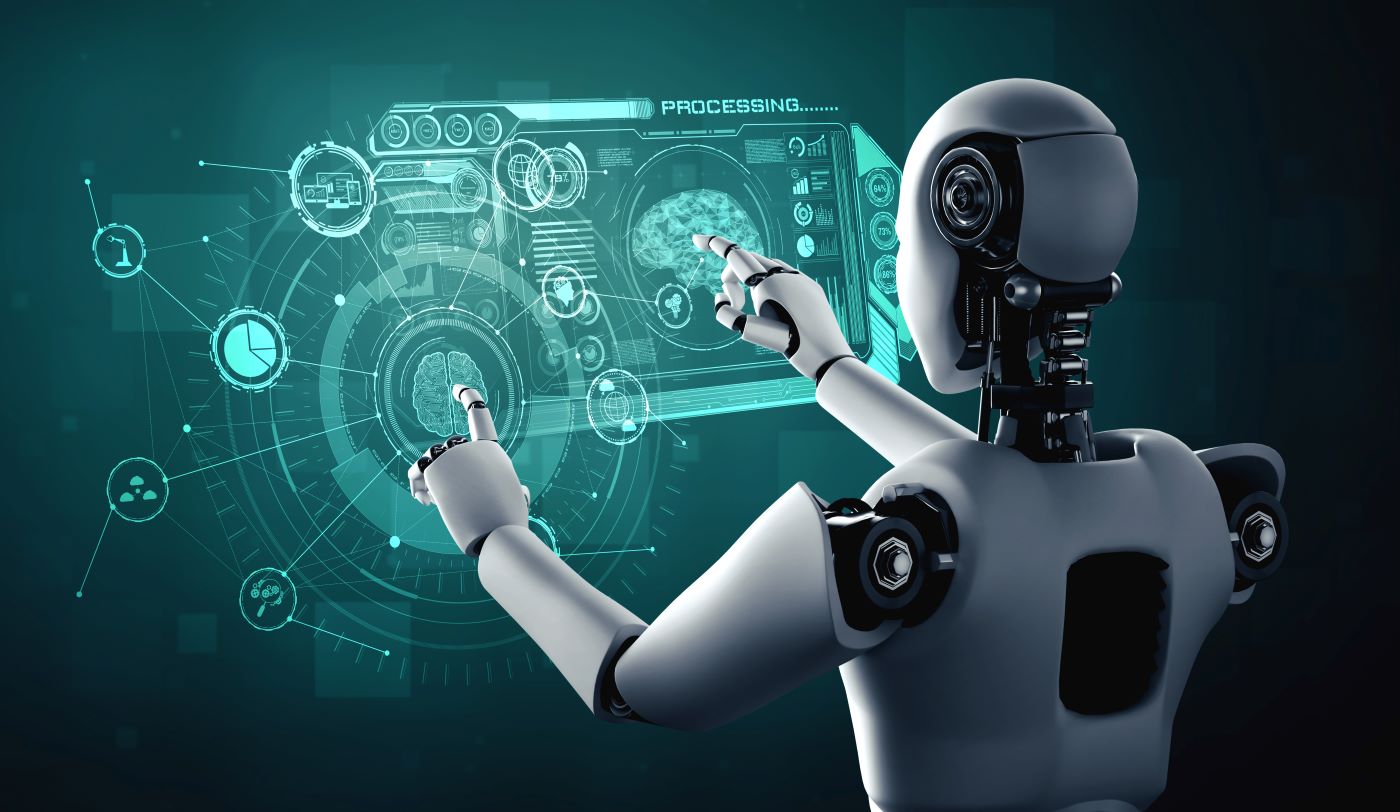
Robotic perception involves interpreting sensor data to understand the environment. Visual intelligence goes beyond image capture: robots recognize objects, navigate spaces, and execute commands like fetching a specific item. Tactile sensors provide feedback on texture and force, allowing delicate handling. Auditory perception detects unseen events—equipment diagnostics in factories, alarms in homes, or verifying task completion.
Visual Intelligence and Tactile Feedback
Modern robots link visual cues with contextual knowledge, transforming them from passive cameras to active participants. Tactile sensors enable real-time grip adjustment, crucial for fragile items in healthcare and logistics. Combined, these senses make robots safer around humans.
Auditory Perception and Multi-Modal Integration
Sound enhances situational awareness. Combining vision, touch, and hearing—multi-modal perception—allows robots to act intelligently in cluttered environments. For example, a robot clearing a table uses all senses to recognize, grasp, and move objects cautiously, adjusting to ambient movements. This integrated approach is key for service robots and autonomous assistants.
Autonomous Navigation: Charting New Paths in Human Spaces
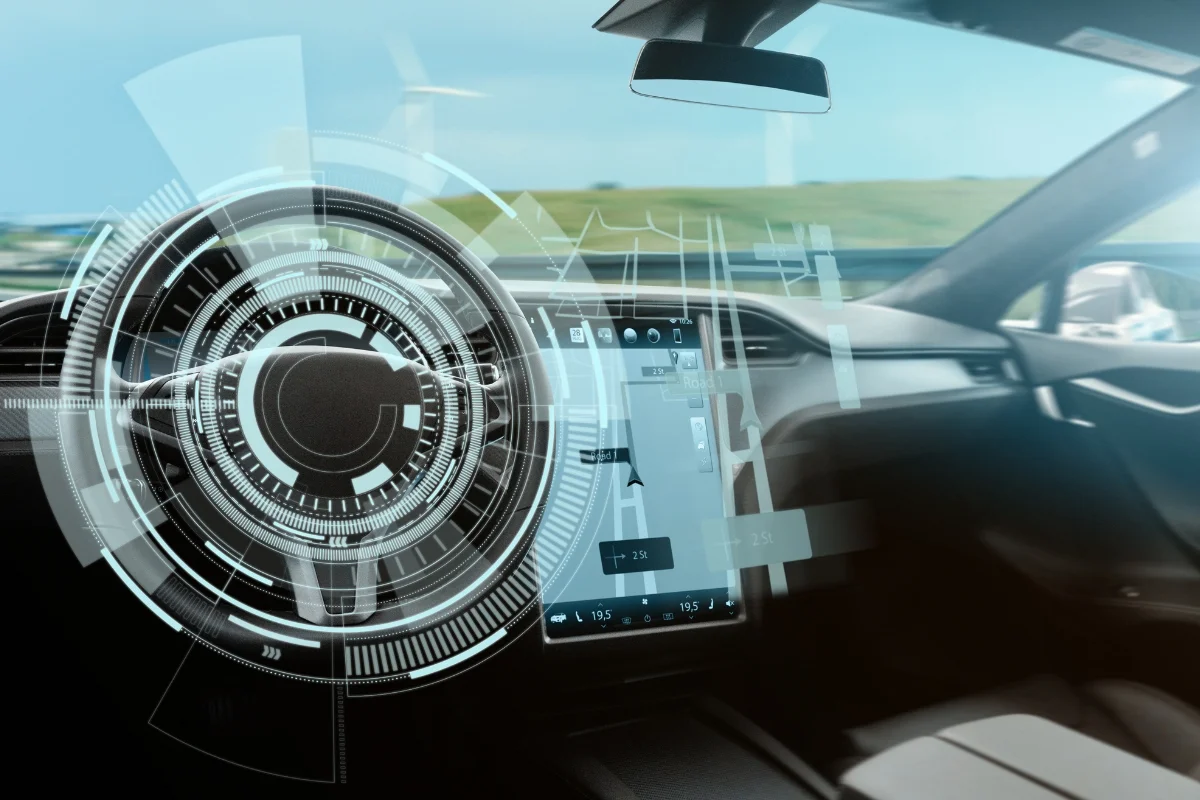
Autonomous navigation marks a shift from fixed paths to independent exploration. Robots map environments in real time using sensor data, recognize obstacles, and adapt routes. In human-populated areas, they distinguish static from dynamic objects, predict movement, and navigate socially—ensuring non-disruptive integration. This capability is vital for delivery robots, hospital transporters, and warehouse drones.
Independent Exploration and Human-Centric Environments
Advanced robots consider pedestrian flow and spatial etiquette, enabling safe coexistence in crowded spaces. Language-driven commands allow robots to interpret complex instructions, such as locating and retrieving items, making collaboration intuitive and reducing the need for specialized programming.
Language-Driven Instructions
Translating human language into action combines linguistic understanding, spatial awareness, and motion planning. Robots that execute multi-step commands demonstrate significant strides toward seamless human-robot interaction, bridging the gap between natural communication and machine execution.
Human-Robot Collaboration: Synergy in Action
Collaboration across industries leverages human creativity and robotic precision. In healthcare, surgical robots combine human expertise with machine steadiness. In manufacturing, cobots work alongside humans safely, increasing productivity and job satisfaction. Research robots automate data collection, accelerating discoveries in material science and bioscience. Trust and usability are fundamental—robots with predictable behavior and user-friendly interfaces reduce cognitive load.
Industry Applications and Trust Building
Training programs and ethical guidelines prepare the workforce for advanced tools, while clear safety standards ensure seamless integration. Collaborative robots are designed to stop or slow down upon contact, making them suitable for small and medium enterprises without extensive safety cages.
Future Directions and Global Cooperation
International partnerships drive innovation in soft robotics and mobility reengineering. Shared resources and expertise accelerate progress while ensuring safety and interoperability. A collaborative future where humans and robots synergize for societal benefit depends on continuous governance, public trust, and inclusive design.
Frequently Asked Questions
What is the role of industrial automation in modern manufacturing? Industrial automation streamlines operations, increases productivity, and reduces human error by using control systems like computers and robots to manage processes. It leads to efficient production lines and higher product quality, enabling companies to compete globally.
How does autonomous navigation contribute to robotic systems? Autonomous navigation allows robots to move and perform tasks without human intervention using sensors, cameras, and algorithms. It is vital for autonomous vehicles, drones, and logistics robots, enabling safe and efficient navigation in complex environments while avoiding obstacles.
What are the benefits of human-robot collaboration in the workplace? Collaboration combines human problem-solving with robotic precision and endurance, leading to safer work environments (robots handle dangerous tasks) and flexible production that adapts quickly to demand changes. Workers can focus on higher-value tasks, increasing job satisfaction.
Why is precision engineering important for actuator technology? Precision engineering ensures actuators operate with high accuracy and reliability. Since actuators convert energy into motion, their precision directly affects the performance and efficiency of mechanical systems in robotics, aerospace, and automotive industries. Even small deviations can cause failures in delicate operations.
How does machine perception enhance robot capabilities? Machine perception enables robots to interpret surroundings using sensors and AI, allowing them to identify objects, recognize patterns, and make real-time decisions. This expands applications in healthcare, manufacturing, and service industries, making robots more responsive and safer around humans.