Construction Site Security: Guards, Cameras, AI, and IoT Solutions for 2025
Protect construction sites with guards, 4K cameras, AI analytics, and IoT sensors. Reduce $44B annual theft and accidents with a proven integrated plan.
Why Construction Sites Need Robust Security
Construction sites are prime targets for theft, vandalism, and accidents, costing the industry an estimated $44 billion in 2024 alone. Equipment theft averages $30,000 per incident (TrueLook), while safety lapses can cause severe injuries or fatalities. A layered security approach—combining human guards, advanced cameras, artificial intelligence, and IoT sensors—is no longer optional but a critical business investment that protects assets, prevents delays, and saves lives.
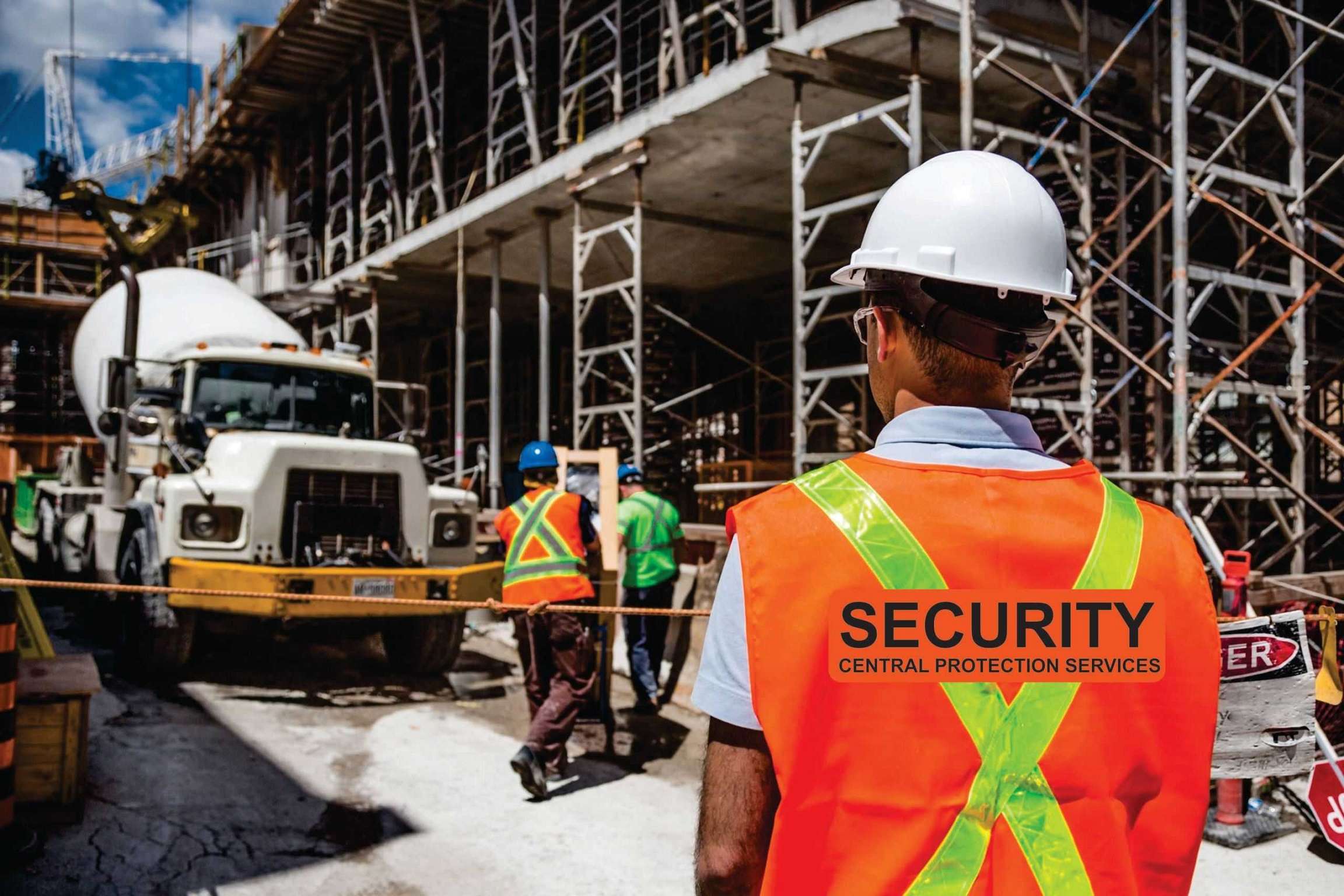
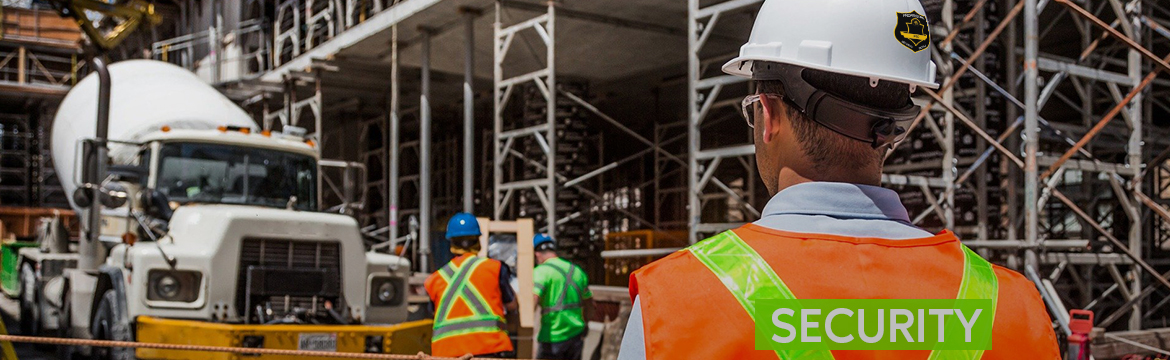
The Essential Role of Security Guards
Trained security personnel remain the backbone of site protection. According to Belfry Software's 2025 salary guide, unarmed guards earn approximately $35,600 annually. Guards perform multiple functions beyond simple observation:
Access control at entry and exit points to block unauthorized individuals.
Rapid incident response to theft, vandalism, or emergencies.
Integration with technology: monitoring camera feeds and coordinating with control rooms.
Visible patrols that deter criminal activity and reduce breach rates.
Collaboration with site managers to identify vulnerabilities and report hazards.
Emergency handling: first aid, evacuation coordination, minimizing impact.
Modern Surveillance Camera Systems
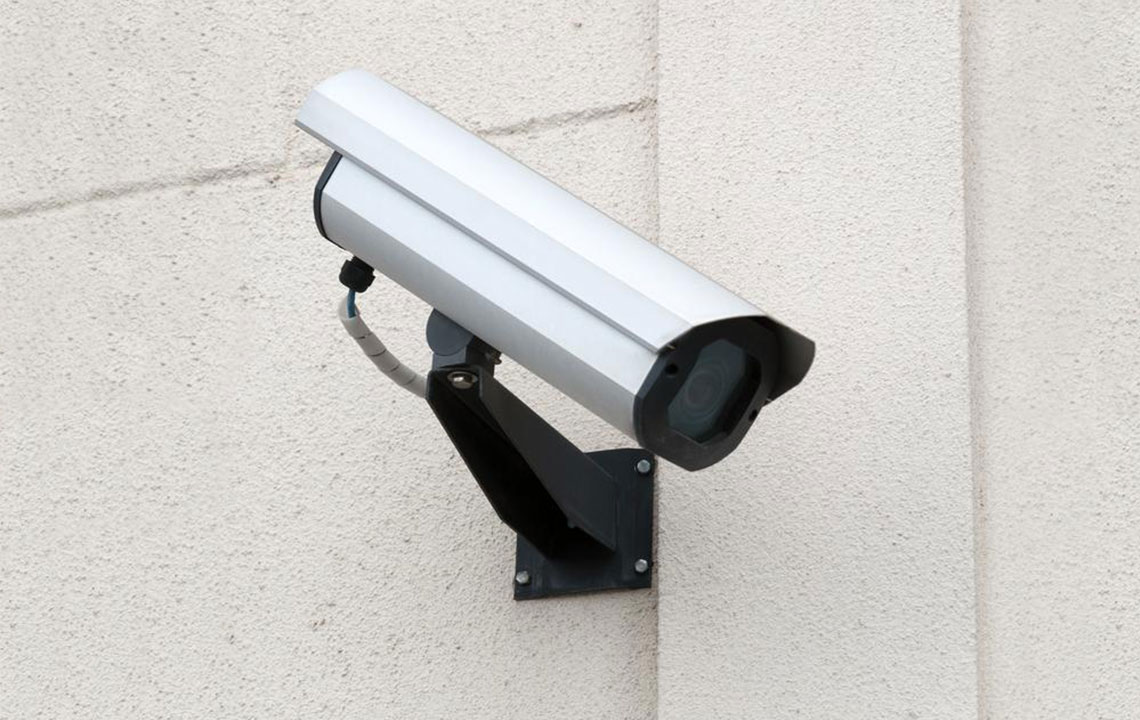
Today's cameras go far beyond basic recording. Cutting-edge features include 4K UHD resolution, 5G low-latency streaming, embedded AI analytics for real-time threat detection, strobes and sirens for active deterrence, two-way talk-down systems, and night vision. When paired with human guards, cameras enable 24/7 remote monitoring and instant alerts. Strategic placement at perimeter fences, entry points, tool storage areas, and high-value material zones ensures comprehensive coverage.
AI and IoT: Proactive Security Technologies
Artificial intelligence and Internet of Things (IoT) sensors bring predictive, proactive security. Research from BuiltWorlds (2025) and Memoori (2025) highlights key innovations:
AI Safety Systems: Real-time hazard detection, PPE compliance monitoring, fall risk identification.
Automated Design & BIM: Extends schematics to 80-90% completeness, optimizes site layout.
Smart Planning AI: Dynamic scheduling and sequence error flagging for better project sequencing.
Risk Management AI: Predicts risks from design, team history, and project data.
Integrated IoT + AI: Predictive analytics, energy efficiency, compliance with NIST and ISO standards.
IoT motion and vibration detectors provide early warnings of perimeter breaches. Drone systems offer aerial patrols for large or remote sites, giving guards a bird's-eye view.
Building an Integrated Security Plan
The most effective strategy is a layered defense that combines guards, cameras, AI, and IoT. Tailor the plan to each site's unique risks—urban vs. rural, equipment value, construction phase. Coordination between human responders and automated systems ensures rapid, appropriate reactions. With theft losses in the billions, investing in comprehensive security is a business necessity that protects profits and people.
Frequently Asked Questions
How much does an unarmed security guard earn? Around $35,600 per year as of early 2025 (Belfry Software).
What is the annual cost of construction theft? $44 billion in 2024, with average equipment theft at $30,000 per incident (TrueLook).
What features should modern construction cameras have? 4K UHD resolution, 5G low latency, AI analytics, strobes, sirens, talk-down capability, night vision, and remote monitoring integration.