Eco-Innovation in Waste, Water, and Resource Management for a Sustainable Future
Explore eco-innovations in waste-to-energy, water treatment, and nature-inspired engineering. Learn how integrated systems drive sustainability worldwide.
Reimagining Waste as a Resource
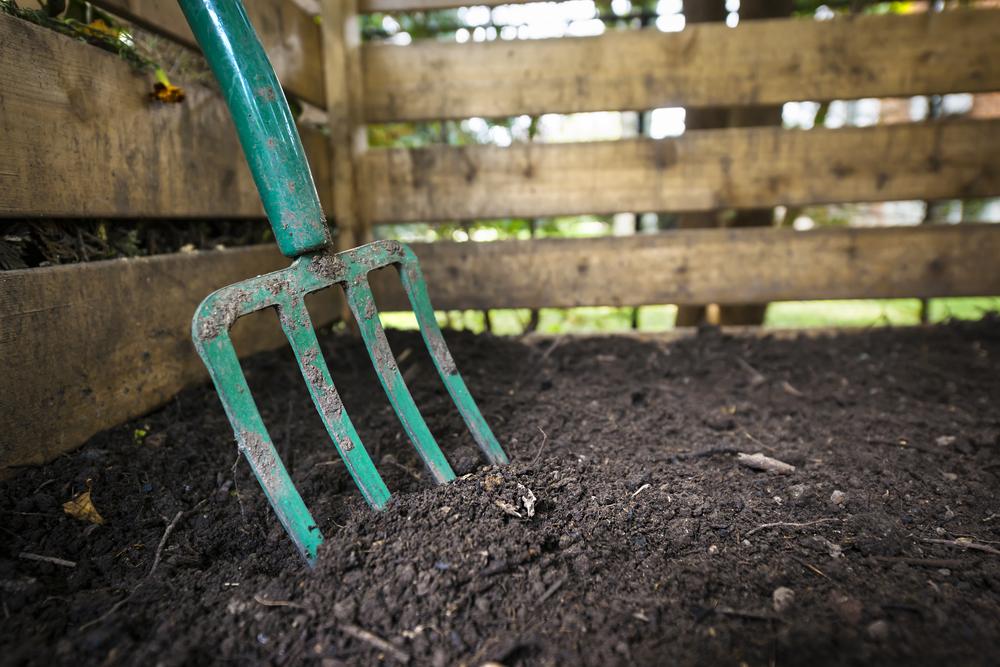
In the circular economy, waste is no longer an endpoint but a valuable input. Canada leads with anaerobic digestion systems that break down organic waste in oxygen-free environments, producing biogas for renewable energy and nutrient-rich digestate for fertilizer. This cuts landfill reliance and greenhouse gases while generating power. Meanwhile, the UK employs AI-powered smart sorting robots that identify and separate recyclables with high precision, boosting recycling rates and lowering contamination. Both technologies turn waste into valuable resources.
Water Treatment Innovations
Advanced Membrane Bioreactors in the UK
Urban water treatment in the UK has been revolutionized by advanced membrane bioreactors that combine biological treatment with fine filtration. These systems efficiently remove pollutants from industrial and residential wastewater while minimizing sludge production, delivering higher water purity and reducing byproduct waste in areas with high contamination.
Solar Desalination in Australia
Australia uses solar-powered desalination as a renewable alternative to energy-intensive methods. By tapping abundant solar energy, these units convert seawater into freshwater for arid regions, lowering the carbon footprint of water production and cutting operational costs while enhancing ecological sustainability.
Nature-Inspired Engineering
Constructed Wetlands in the United States
The United States is at the forefront of constructed wetlands for water treatment. These bioengineered ecosystems mimic natural filtration through vegetation, soils, and microorganisms, removing pollutants while creating wildlife habitats. This low-maintenance, cost-effective approach boosts biodiversity and restores ecological balance in urban settings.
Enhancing Biodiversity with Eco-Friendly Design
Beyond wastewater treatment, constructed wetlands manage stormwater naturally, reducing flood risk. Using native plants supports diverse species and creates green urban spaces that promote environmental health and community well-being.
Integrated Systems and Policy Support
The waste-water-energy nexus exemplifies holistic resource management. Wastewater treatment plants can use on-site biogas from anaerobic digestion to power operations, cutting external energy reliance. Policy frameworks—such as waste reduction incentives and producer responsibility schemes—drive adoption, while community engagement in recycling and water conservation ensures widespread impact.
Frequently Asked Questions
What are key components of effective urban waste management? Waste reduction, efficient collection, recycling programs, advanced sorting technologies, and public awareness campaigns.
How does water treatment support sustainable development? It ensures clean water for health and industry, reduces pollution, and enables recycling to preserve freshwater resources.
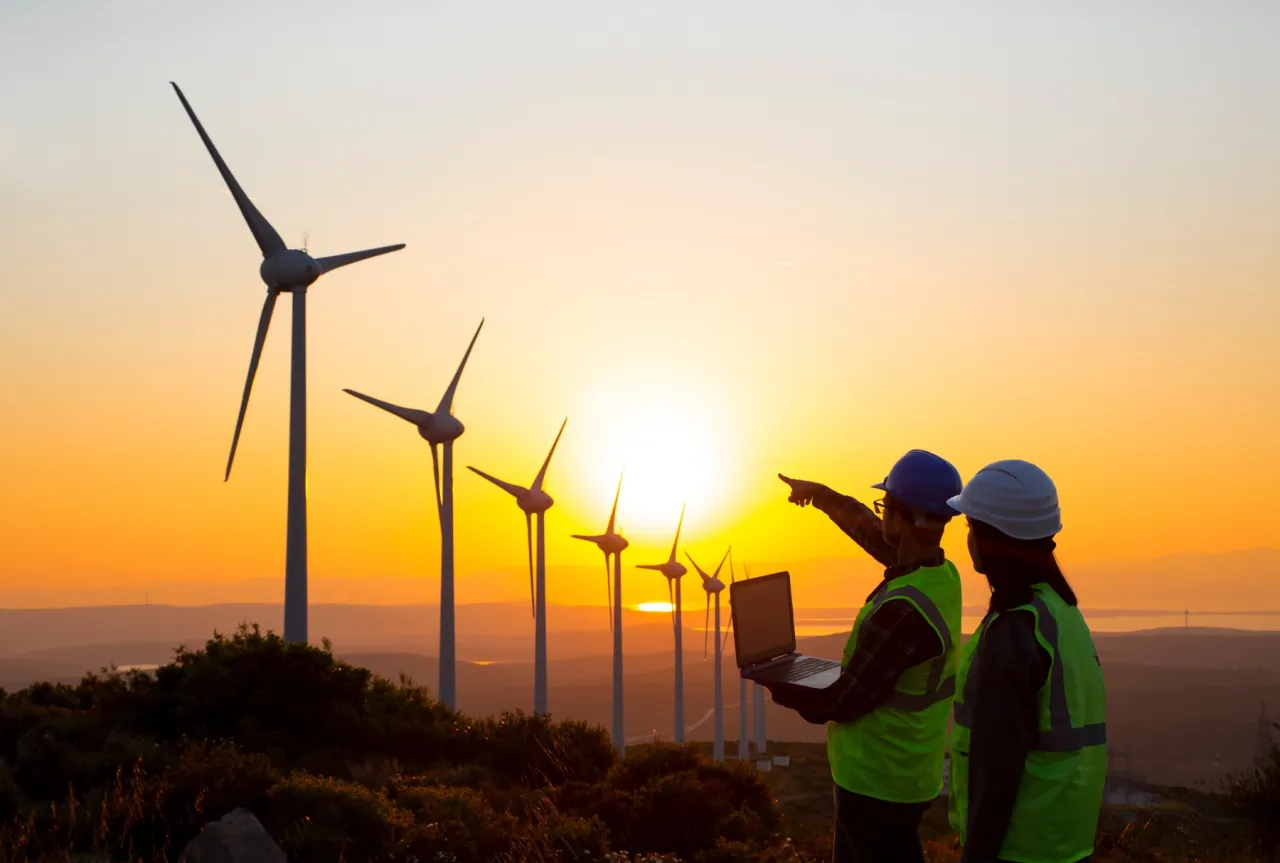
What renewable systems can be integrated into urban planning? Solar power, wind turbines, geothermal systems, and biomass energy solutions reduce fossil fuel reliance and carbon emissions.
How can sustainable design reduce pollution? Through eco-friendly materials, energy efficiency, green roofs, natural ventilation, and sustainable transport.
How do eco-technologies aid pollution reduction? Advanced filtration, bioremediation, carbon capture, and sustainable agriculture minimize air, water, and soil pollutants.
In summary, the synergy between technology and ecology is essential for sustainable environmental management. Embracing eco-technologies and integrated systems can achieve a future where ecological health and human prosperity coexist.