How EdTech Is Reshaping Education: Adaptive Learning, Gamification, and Virtual Tools
Discover how adaptive learning, LMS, gamification, VR, MOOCs, and digital assessments are transforming education. Ethics and equity also explored.
Introduction
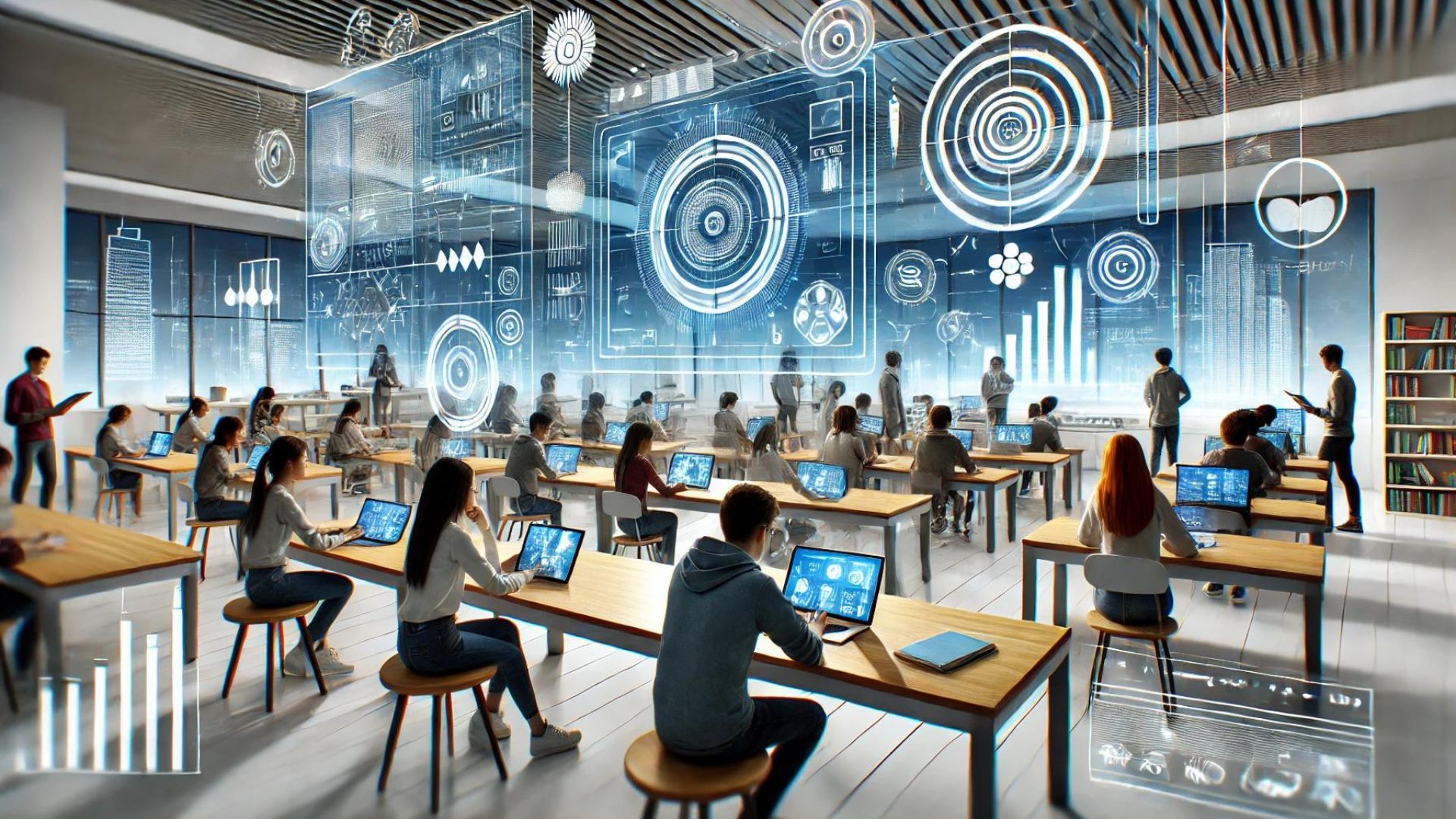
The classroom of the 21st century looks vastly different from its predecessors. Digital technologies—from learning management systems (LMS) and adaptive algorithms to gamification and virtual reality—are placing learners at the center of their educational journey. This article explores the most impactful innovations, including personalized adaptive platforms, collaborative LMS environments, gamified career readiness tools, MOOCs, virtual classrooms, and modern assessment methods, while stressing the need for ethical deployment and universal access.
Personalized and Adaptive Learning
Artificial intelligence powers adaptive learning technologies that tailor content to each student. Platforms like DreamBox (math), Knewton, and Smart Sparrow continuously evaluate performance and adjust difficulty in real time, keeping learners challenged without overwhelming them. Immediate feedback helps students correct errors on the spot, reinforcing understanding and building confidence. These tools also support diverse learning styles by delivering videos, quizzes, and simulations—engaging auditory, visual, and kinesthetic learners alike. The result is a more inclusive, self-paced educational experience that boosts retention and independence.
Learning Management Systems and Collaborative Tools
LMS platforms such as Canvas, Blackboard, and Moodle act as centralized hubs for course materials, communication, and progress tracking. They streamline administrative work and enable remote access to education. Beyond logistics, these systems foster collaboration through real-time document editing, discussion boards, and virtual whiteboards, allowing students to team up regardless of location. Integration with multimedia tools (podcasts, animations, websites) lets learners express understanding creatively, deepening engagement with subject matter.
Gamification and Career Readiness
Gamification adds points, badges, and leaderboards to learning activities, boosting motivation and perseverance. This approach makes education enjoyable and simulates real-world challenges, preparing students for future careers. Virtual and augmented reality (VR/AR) provide hands-on practice in fields like medicine, engineering, and architecture—students can perform virtual surgery or design structures in safe environments. These immersive experiences bridge academic theory and professional application, giving graduates practical skills and a competitive edge. In corporate training, gamified platforms help employees retain knowledge through engaging, game-based strategies, aligning with evolving industry demands.
Expanding Access: MOOCs and Virtual Classrooms
Massive Open Online Courses (MOOCs) offer low-cost or free education to a global audience. They cover diverse subjects, allow self-paced study, and connect learners with a broad community for shared insights. Virtual classrooms take this further by enabling real-time interaction via video conferencing and collaborative tools, transcending geographic barriers. They accommodate different learning styles and make education more inclusive, particularly for distant or underserved populations.
Assessment Tools in Digital Education
Modern digital education relies on diverse assessment tools: interactive quizzes, surveys, peer reviews, and automated grading systems. These tools measure understanding, provide instant feedback, and help educators adjust instruction. By identifying gaps in knowledge quickly, they improve the learning process and support data-driven teaching strategies.
Ethical Implementation and Equitable Access
As technology becomes central to learning, equitable access is critical. Disparities in device availability and internet connectivity can widen the achievement gap. Education policies must supply resources and training so every student benefits from digital tools, regardless of background. Schools need thoughtful frameworks that align technology with pedagogical goals, focusing on student growth and well-being. Teacher training is essential—educators must learn to incorporate tools in ways that enhance, not overshadow, teaching objectives. Balancing technological and pedagogical goals ensures innovation enriches learning while safeguarding student privacy and promoting inclusive, ethical practices.