How CRISPR, Synthetic Biology, and Precision Medicine Are Transforming Biotech
CRISPR, synthetic biology, and personalized medicine are revolutionizing health and agriculture. Learn about gene editing, cell therapy
The Biotechnology Revolution
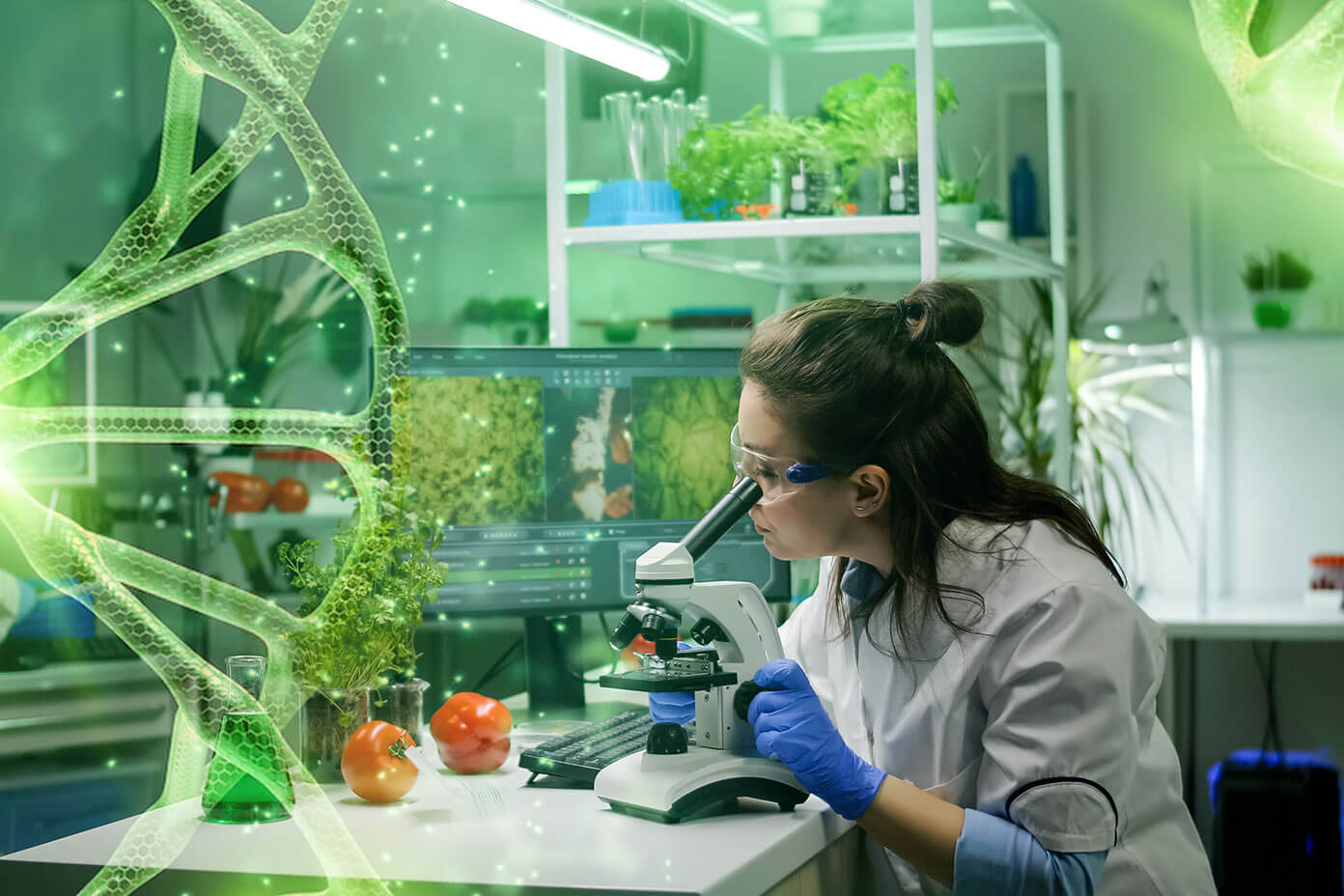
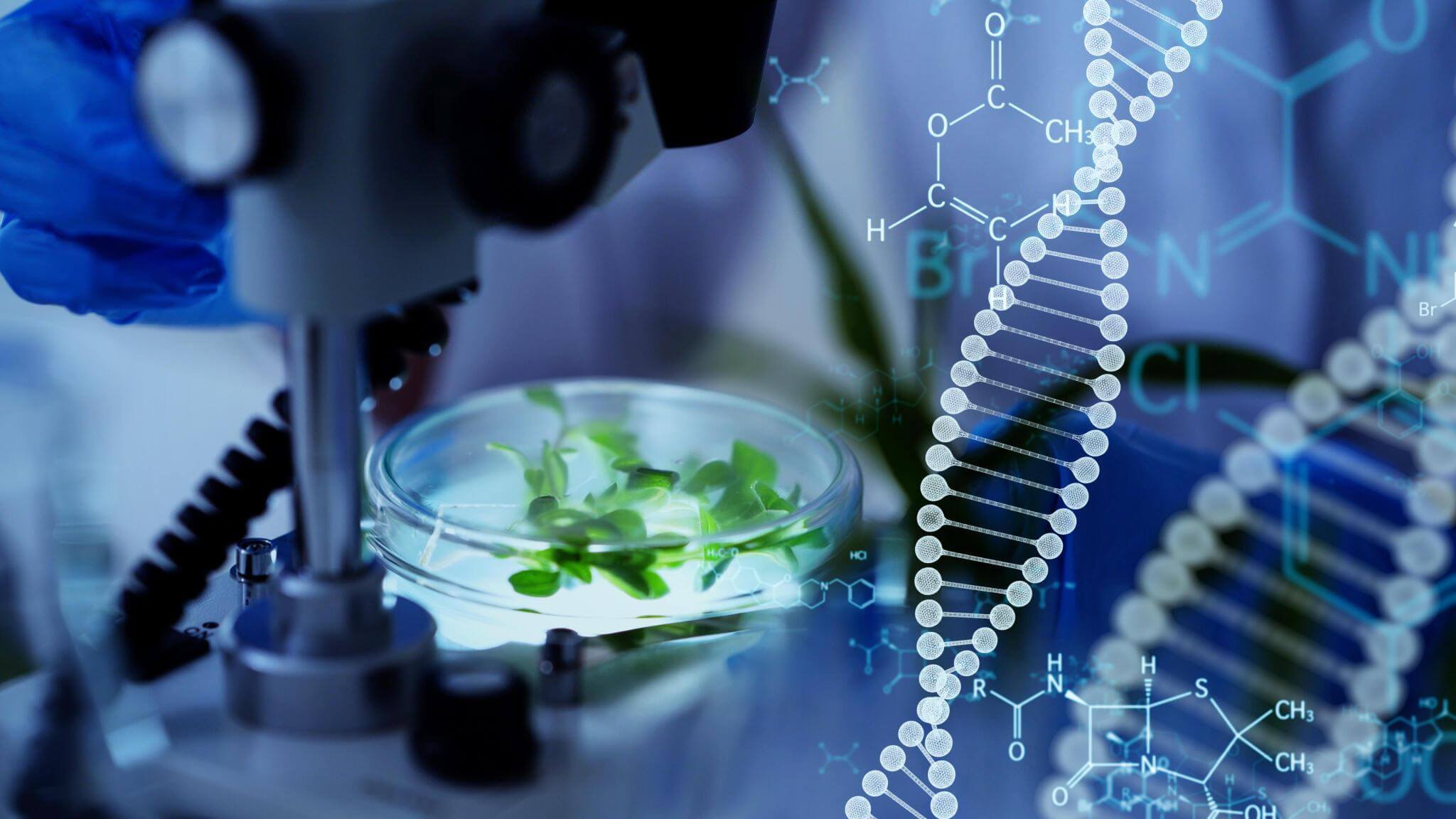
Recent breakthroughs in molecular science are reshaping medicine and agriculture. By manipulating DNA and proteins with unprecedented precision, researchers are developing targeted therapies, resilient crops, and innovative materials. This article explores the key technologies driving this transformation.
Gene Editing with CRISPR-Cas9
CRISPR-Cas9 has revolutionized genetic engineering by enabling precise edits to specific DNA sequences. Using a guide RNA to direct the Cas9 enzyme, scientists can correct genetic defects, enhance crop traits, and develop new treatments. This tool has transformed gene editing from a random process into a predictable science, allowing researchers to anticipate cellular responses and improve safety.
Synthetic Biology: Engineering Living Systems
Synthetic biology goes further by creating entirely new biological parts and systems. Researchers design synthetic gene circuits to program organisms for specific functions, such as producing biofuels, pharmaceuticals, or degrading pollutants. These innovations offer sustainable solutions across industries, from energy to healthcare.
Precision Medicine in Healthcare
Advances in genomics and bioinformatics enable personalized medicine, where treatments are customized to an individual's genetic profile. Cell therapy, for example, engineers a patient's own cells to fight cancer, while genetic sequencing identifies precise mutations to guide drug selection. This shift from one-size-fits-all approaches improves efficacy and reduces side effects.
Agricultural Biotech for a Sustainable Future
Gene editing enhances crop resilience to drought, pests, and disease without introducing foreign DNA. Precision fermentation allows microorganisms to produce animal-derived ingredients, reducing reliance on livestock. Combined with AI-driven data analysis, these technologies optimize resource use and boost yields, contributing to global food security.
Ethical Challenges and Responsible Innovation
As biotechnological capabilities expand, ethical questions arise. Responsible development requires balancing innovation with equity, access, and environmental stewardship. International collaboration is essential to ensure these powerful tools benefit humanity while minimizing risks.