Beyond Step Counting: How Wearables Are Revolutionizing Health and Daily Life
Wearables now monitor heart health, stress, and more. Discover how smart devices are shifting healthcare from reactive to proactive and enhancing daily life.

The Shift from Reactive to Proactive Healthcare
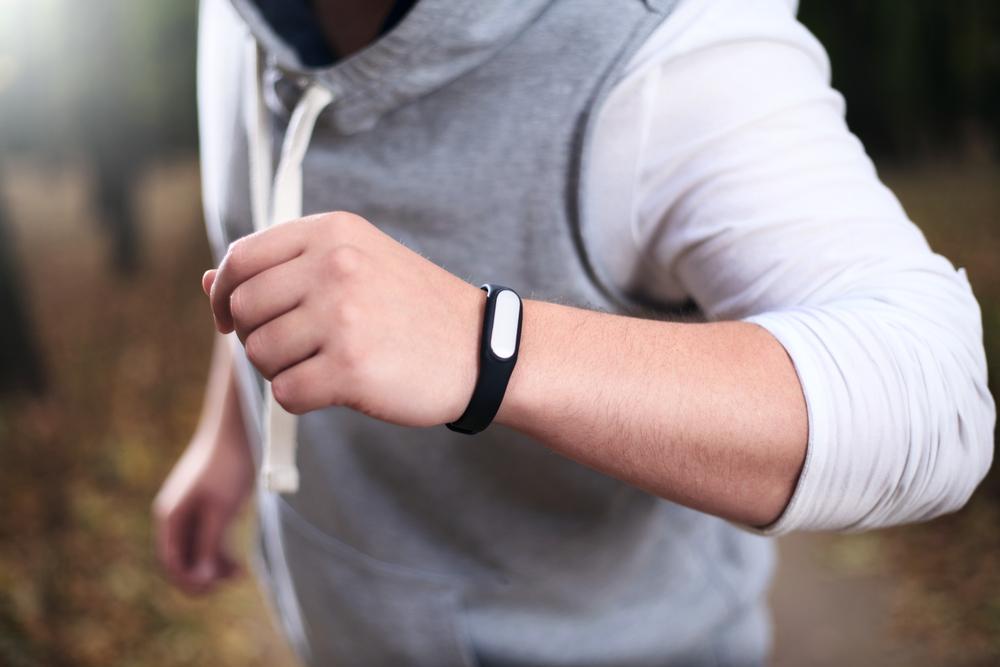
Modern wearables have moved far beyond simple step tracking. Today's smart devices continuously monitor heart rate, blood oxygen levels, sleep patterns, and even perform electrocardiograms with near-clinical precision. By collecting data from sensors like accelerometers, gyroscopes, and pulse oximeters, they create a detailed picture of your physiological state. Instead of waiting for symptoms to appear, users can detect early warning signs and consult a doctor before problems escalate. For example, an irregular heart rhythm alert or sweat biomarker analysis can prompt timely medical advice, turning reactive healthcare into a proactive lifestyle.
Holistic Wellness: More Than Fitness Tracking
The focus has expanded from counting calories to comprehensive well-being. Devices now target specific goals: smart posture correctors, connected massage tools for muscle recovery, and stress monitors that guide breathing exercises. These tools actively enhance comfort and quality of life, not just log data. The rise of remote work has accelerated demand for technology that combats sedentary habits and supports mental health. Wearables fill this gap by delivering personalized feedback and encouraging movement throughout the day, making health management effortless.
Augmented Reality: Blending Digital Insights with the Physical World
Augmented reality (AR) glasses represent a major leap in wearable tech. By overlaying digital information onto real-world environments, AR transforms how we interact with our surroundings. Surgeons can view patient vitals during operations, students can explore interactive educational content, and runners can monitor performance stats without looking at a phone. In fitness, AR glasses display form-correction overlays to prevent injuries, while in daily life they offer hands-free navigation and contextual data. As AR technology matures, these glasses are poised to become a common accessory, seamlessly integrating into our routines.
Personalized Health Plans and Ethical Considerations
Wearables enable tailor-made wellness recommendations by analyzing individual data patterns. They might suggest adjusting sleep schedules or practicing stress reduction techniques. During medical visits, this data gives doctors richer context for diagnosis. However, collecting sensitive health information raises important ethical questions around privacy, data security, and informed consent. Users must retain control over their data, and manufacturers must adopt transparent practices. Equitable access is another concern—wearable technology should benefit everyone, not just those who can afford it. Addressing these issues is critical for widespread adoption.
The Future: Wearables as Partners in Health
Wearable technology is on the verge of becoming a true partner in health and productivity. Through continuous monitoring, augmented reality integration, and proactive health management, these devices are reshaping personal and professional environments. They promise a fusion of digital insight with practical human interaction, paving the way for a healthier, more informed society where technology supports well-being at every step.