Voice Technology Revolution: From Conversational Assistants to Healthcare and On-Device AI
Explore how voice technology is transforming daily life, healthcare workflows, and future on-device AI with enhanced privacy and multimodal interaction.

The Voice Revolution: Redefining Human-Machine Interaction
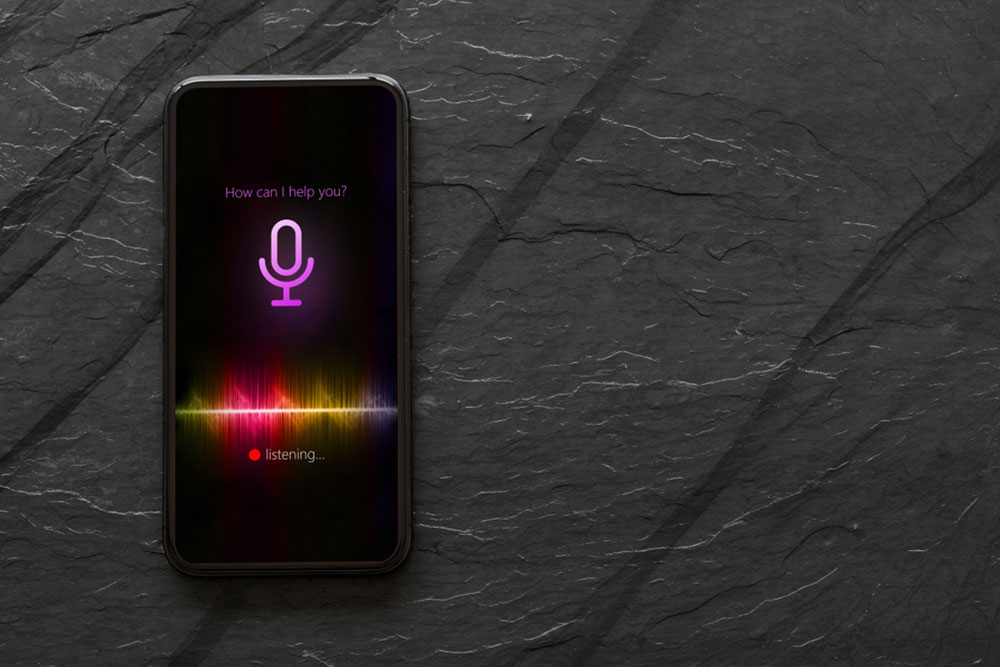
The rapid advancement of voice technology is reshaping how people interact with machines, moving beyond simple commands to natural, conversational exchanges. Breakthroughs in speech comprehension are driving this shift, improving user experiences in homes, businesses, and critical sectors like healthcare. Smart speakers and virtual assistants have become everyday tools, handling tasks from music playback to answering questions. Enterprise adoption is also accelerating, with a growing focus on voice-centric operations. Industry forecasts predict a surge in speech-based business processes as advanced transcription tools streamline workflows. Voice interaction is setting new standards, influencing how consumers engage with services and products on a daily basis.
Voice Technology in Healthcare: A Game-Changer for Clinicians and Patients
In healthcare, voice technology is proving to be a transformative force. Clear communication and administrative efficiency are paramount, and voice-driven tools help ease the burden on professionals while enhancing patient experiences and outcomes.
Ambient Clinical Intelligence: Reducing Documentation Overload
Documentation overload is a major contributor to clinician burnout, with physicians and nurses spending a significant portion of their time on records instead of direct patient care. Ambient clinical intelligence (ACI) systems capture relevant data from doctor-patient conversations automatically and populate electronic health records. This technology allows practitioners to stay focused on patients. Early observations show substantial reductions in documentation time, especially beneficial for small practices without large IT resources. By offloading administrative tasks, voice technology restores the human touch in clinical settings.
Empowering Patient Communication
Patient experiences often begin before an appointment, with scheduling and inquiries that can be tedious. Healthcare providers are increasingly using voice-driven agents to streamline these interactions. Medical groups employing virtual assistants report that these systems handle a majority of appointment bookings. Their effectiveness is enhanced by empathetic communication: systems can interpret vocal tones and adjust responses to be more reassuring. Sentiment analysis enriches patient interactions, offering guidance and clarity throughout the healthcare journey. As initial points of contact, these tools boost engagement and satisfaction.
Navigating Privacy and Bias Challenges
Implementing voice technology in healthcare requires careful attention to privacy and bias. Systems must securely handle sensitive data, comply with regulations, and protect conversations. Equally important is preventing algorithmic bias. Successful systems must understand diverse speech patterns to serve all populations equitably. Without comprehensive training data, disparities can be reinforced. Developers and healthcare providers must critically assess these technologies to ensure accuracy and fairness. Addressing these ethical considerations is essential to realizing voice technology's full potential in medicine.
Future Trends: On-Device Processing, Multimodal Interaction, and Deep Understanding
The future of voice technology is shaped by trends that promise even more seamless, intuitive interactions. Efforts focus on speed, privacy, and contextual awareness, aiming to make voice systems truly intelligent partners.
On-Device Revolution: Speed and Privacy
Voice technology is shifting from cloud-dependent processing to on-device inference, offering major benefits. Local processing enables near-instantaneous responses—crucial for real-time applications—and keeps data on the device, strengthening privacy and reducing exposure risks, especially important in healthcare and finance. On-device reliability also eliminates the need for constant internet connectivity. As devices grow more powerful, this trend will accelerate, making voice assistants more personalized, secure, and responsive.
Multimodal Symphony: Combining Voice with Gesture and Gaze
The future is multimodal—combining voice with touch, gesture, and gaze for richer interactions. A surgeon might use voice commands to pull up a patient scan, then gesture to zoom in; a mechanic could ask for repair schematics via smart glasses while pointing at a component. Voice serves as an intuitive, hands-free interface, while other inputs provide precise context. This convergence mirrors natural human communication, creating an environment where technology assists dynamically and intuitively.
From Recognition to True Understanding
The evolution from voice recognition to understanding involves deeper comprehension of intention, context, and sentiment. This goes beyond executing commands to empathy and anticipation. Economic forecasts predict substantial growth in this sector, underscoring its central role in future technology. The ultimate goal is interactions as effortless as human conversation—where technology listens, understands, empathizes, and even anticipates needs.
Frequently Asked Questions
What is the role of speech recognition in voice assistants?
Speech recognition is essential in voice assistants as it allows the device to accurately capture and interpret human speech. It converts spoken words into text, which can be processed to execute commands or respond to queries. This technology forms the foundation for seamless interactions between users and devices, enhancing the overall user experience.
How does natural language understanding (NLU) improve smart speaker functionality?
Natural language understanding (NLU) enables smart speakers to comprehend the intent behind user commands, even when expressed in varied linguistic forms. NLU allows devices to process complex queries, understand context, and provide relevant, personalized responses. This advancement makes interactions more intuitive and effective.
In what ways is text-to-speech technology used in smart speakers?
Text-to-speech (TTS) technology converts text-based information into audible speech. Smart speakers use TTS to verbally communicate responses, read out messages, or narrate news articles. TTS enhances accessibility, making information readily available without requiring a visual interface.
How do voice biometrics contribute to voice assistant security?
Voice biometrics add a layer of security by using unique vocal characteristics to authenticate users. This technology identifies individuals based on voice patterns, ensuring only authorized users can access sensitive functionalities or information. It enhances privacy and security, preventing unauthorized use.
What challenges do voice assistants face with diverse accents?
Voice assistants often struggle with speech recognition and natural language understanding when dealing with diverse accents. Accents affect phonetic and intonation patterns, leading to potential misunderstandings or errors in command execution. Continuous improvements in AI training datasets and algorithms aim to address these challenges, making voice assistants more inclusive and accurate across different accents.