Sustainable Technology: Eco-Friendly Innovation and Circular Economy
Explore sustainable tech innovations in energy efficiency, green data centers, circular economy, and e-waste recycling for a greener future.

The Rise of Sustainable Technology
As digital transformation accelerates, technology is increasingly aligning with sustainability goals. Consumer demand and regulatory pressure drive industries to adopt eco-friendly innovations that reduce environmental impact without sacrificing performance. This shift goes beyond compliance—it is reshaping product design, infrastructure, and supply chains across sectors.
Energy Efficiency as a Core Principle
Smarter Devices and Infrastructure
Modern devices are designed to consume less energy while delivering high performance. From consumer electronics to enterprise data centers, energy-efficient components and power management protocols are becoming standard. This approach not only meets environmental standards but also reduces operational costs over time.
Green Data Centers
Data centers face soaring energy demands due to digital growth. Green data centers counter this with advanced cooling systems, efficient energy management, and renewable energy integration. Virtualization and real-time monitoring optimize resource use, lowering carbon footprints while maintaining reliability.
Redesigning Resource Management
Smart grids transform power distribution by seamlessly integrating renewable sources like solar and wind. Real-time balancing of supply and demand reduces waste. In manufacturing, data-driven analytics and automation enable leaner processes, minimizing material waste and adapting quickly to market changes.
Circular Economy and Supply Chain Innovation
Closed-Loop Systems and Eco-Conscious Sourcing
The circular economy model extends material lifecycles through reuse, refurbishment, and recycling. Companies design products for easy disassembly and component recovery. Modular electronics allow upgrades without full replacement, reducing e-waste. Closed-loop supply chains prioritize recycling over raw material extraction, building resilience against resource shortages or disruptions. Procurement teams now evaluate suppliers on environmental credentials, such as energy reduction, waste minimization, and renewable resource use.
E-Waste Recycling Advances
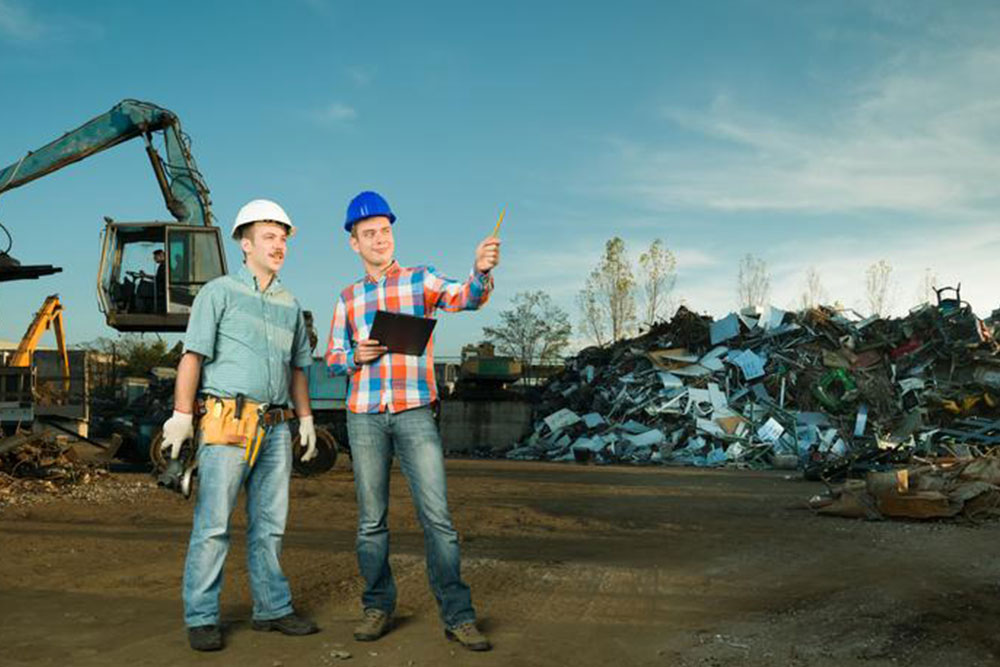
Effective e-waste management combines improved recycling processes, manufacturer take-back programs, and consumer awareness. Innovations like AI-powered sorting and chemical recovery efficiently separate and reclaim valuable materials, reducing landfill burden and supporting circular systems.
Real-Time Environmental Monitoring
Advanced sensor networks provide real-time data on air and water quality, biodiversity, and energy usage. Policymakers and industries use these insights for proactive management of ecological challenges, timely interventions, and regulatory compliance.
Key Questions on Sustainable Tech
How does energy-efficient design contribute to green data centers?
Energy-efficient design minimizes consumption through advanced cooling, server optimization, and renewables, lowering costs and environmental impact.
What innovations help manage electronic waste?
Advanced sorting, chemical metal recovery, and robotics/AI enhance recycling accuracy and rates, reducing e-waste impact.
How do circular supply chains benefit the environment?
They extend product lifecycles through reuse and recycling, cutting raw material extraction, waste, and emissions while offering cost savings.
What role does environmental monitoring play in data centers?
Real-time data on energy, emissions, and temperature allows operators to optimize efficiency, reduce footprint, and ensure regulatory compliance.